
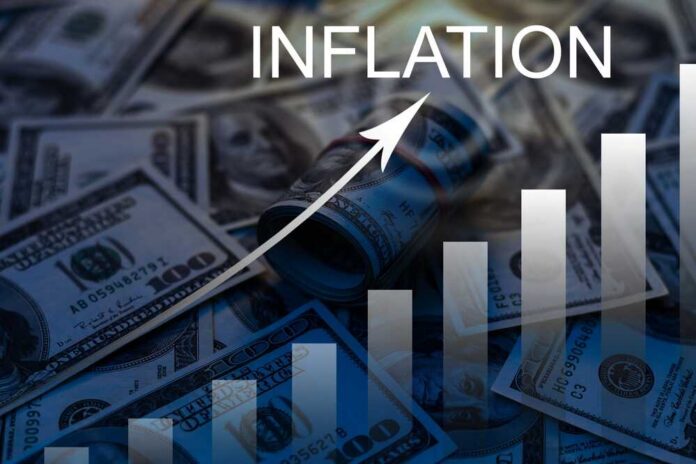
Chicago Fed President Austan Goolsbee warns that the war with Iran could spike energy prices, reigniting inflation and delaying long-awaited Federal Reserve rate cuts from 2026 into 2027, hitting American families already strained by high costs.
Story Highlights
- Goolsbee ties escalating Iran conflict to potential energy shocks that threaten Fed’s 2026 rate cut plans.
- Higher oil prices could boost inflation, prompting the Fed to keep interest rates higher for longer.
- Consumers face rising gas and food costs, exacerbating economic pressures amid geopolitical turmoil.
- Historical precedents like the 1970s oil crisis show how such shocks delay monetary relief for everyday Americans.
Goolsbee’s Stark Warning on Iran Conflict
Chicago Federal Reserve President Austan Goolsbee stated that an energy shock from an Iran war could reignite inflation across the U.S. economy. This disruption risks pushing back anticipated Federal Reserve interest rate cuts from 2026 into 2027.
Goolsbee, a voting member of the Federal Open Market Committee, highlighted how global oil supply interruptions would override domestic progress on taming post-pandemic inflation. His comments reflect immediate reactions to the ongoing Iran conflict escalating in early 2026, focusing on risks to monetary policy stability.
Historical Echoes of Energy Shocks
The Federal Reserve has long adjusted policies in response to Middle East-driven energy crises. In the 1970s, oil embargoes spiked U.S. inflation and delayed easing measures, leading to stagflation. Iran’s production of 3-4 million barrels per day positions it as a key vulnerability for global energy markets.
The 2022 Russia-Ukraine war pushed oil to $120 per barrel, illustrating similar delays in Fed actions. Goolsbee’s outlook draws on these precedents, warning of repeated patterns under current geopolitical volatility.
President Trump’s America First energy policies have bolstered domestic shale production, yet external shocks like this underscore the limits of self-reliance against foreign aggressors. Families grappling with high energy bills from past renewable mandates now face renewed threats from overseas instability.
Federal Reserve Bank of Chicago President Austan Goolsbee thinks that the Iran war risks fueling inflation, which would make it harder for the central bank to ease interest rates in 2026. https://t.co/MWrdDgPVn8
— CBS News (@CBSNews) April 3, 2026
Stakeholders and Power Dynamics
Austan Goolsbee oversees the Seventh Federal Reserve District, emphasizing data-dependent decisions to anchor inflation at 2 percent. The Federal Reserve’s dual mandate balances price stability with employment, but Goolsbee’s hawkish signal may influence FOMC consensus against premature cuts.
Iran’s government leverages oil as a tool for regional dominance, disrupting supplies amid military escalations. U.S. Treasury and White House fiscal policies intersect with Fed independence, amplifying political scrutiny in this Republican-led era.
Low-income households and manufacturers in energy-sensitive regions bear the brunt, as input costs rise and affordability erodes. This dynamic fuels bipartisan frustration with elites who prioritize global entanglements over American workers’ relief.
Economic Impacts and Broader Repercussions
Short-term, elevated energy prices will inflate headline CPI, prompting the Fed to pause rate reductions and sustain higher borrowing costs for mortgages and businesses. Long-term, entrenched inflation could slow GDP growth into 2027 and beyond.
Sectors like transportation and manufacturing face disruptions, with oil potentially surging 20-50 percent. Stock and bond markets will fluctuate on shifting rate expectations, while consumers contend with pricier gas and groceries.
Socially, war fears compound reduced affordability, hitting working families hardest and widening divides between haves and have-nots. Politically, delayed cuts invite criticism of Fed autonomy, especially as Democrats obstruct Trump’s pro-growth agenda.
Sources:
Chicago Fed’s Goolsbee Warns Iran War Could Delay Fed Cuts