

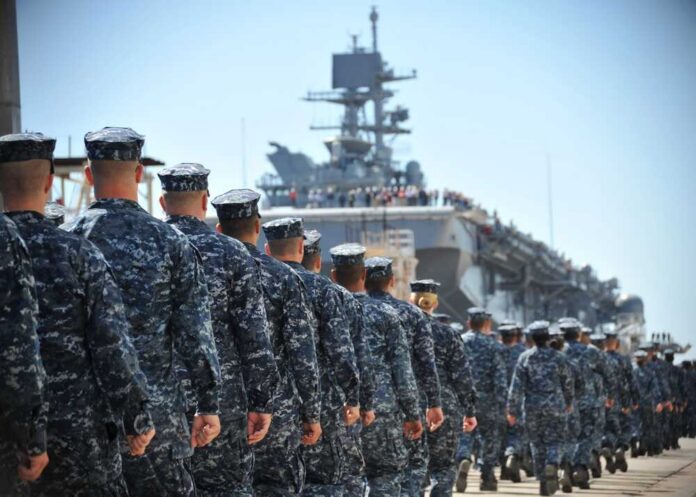
After more than nine months at sea, the USS Abraham Lincoln finally touched a pier—and the reason was simple: let the crew breathe.
Story Snapshot
- The USS Abraham Lincoln docked at Laem Chabang, eastern Thailand, on Sept. 2, 2026.
- Officials called it a routine port visit for rest and recuperation, not for exercises.
- U.S. statements described this as the carrier’s first full port stop after 286 days at sea.
- Thai authorities set a Sept. 2–6 window and highlighted no joint operations during the stay.
A long deployment ends with a focused pause
The carrier strike group arrived in Thailand after an extended stint tied to operations in the Middle East. Reports placed the USS Abraham Lincoln at Laem Chabang, with escorts split among nearby ports.
The United States Embassy said the guided missile destroyer USS Frank E. Petersen Jr. docked in Sriracha and the cruiser USS Robert Smalls pulled into Map Ta Phut. This was framed as a stop to let sailors and Marines rest, reset, and enjoy basic shore leave after months underway.
After nearly 10 months at sea, the USS Abraham Lincoln has arrived in Thailand for R&R, giving thousands of U.S. service members a long-awaited break. Click the link below to see all of the photos ⬇️
📸 ANTHONY WALLACE, AFP via Getty Images https://t.co/TFrrQ3DGrD pic.twitter.com/T2VJpfSKTR
— USA TODAY (@USATODAY) September 2, 2026
Officials underscored the point that this was not a training event or a show of force. Thai defense leaders called it a routine port visit. They stated there would be no joint operations of any kind during the window.
That language matched the U.S. Navy’s emphasis on morale and recovery rather than drills or combat posture. The simple message: let the crew exhale and restore some balance after a long haul.
What 286 days at sea actually means for a carrier crew
Long carrier deployments grind down even seasoned sailors. A ship is a small floating city with high stakes in every task. Sleep schedules stretch. Food quality dips when resupply lags. Tempers flare because space is tight and privacy is rare.
Stars and Stripes reported the Lincoln’s first regular port call in nearly nine months and noted hundreds of consecutive days at sea and in a combat zone. That streak strains readiness, retention, and family life, which explains the hard focus on rest.
Commanders do not throw long port breaks at crews by accident. They plan them to stabilize people and gear. Shore time restores small joys that matter: fresh meals ashore, quiet time off the ship, a real bed for a night.
Leaders also use port calls to reset training blocks, take care of maintenance, and get medical or dental care that is easier on land. Rear Admiral Robert E. Loughran pointed to rest and recharge as the core purpose, which signals a pragmatic view of combat power: tired sailors break things.
Thailand’s tight lane: welcome the visit, avoid the drama
Thai officials walked a careful line. They highlighted the alliance value of hosting a U.S. carrier but kept the visit low-key. They said no exercises would occur and kept the schedule tight, typically Sept. 2–6. That stance eased any fear of public disruption and limited rumor.
The setting matters. Pattaya and greater Chonburi welcome visitors but also carry a nightlife image that can drive flashy headlines. Clear rules and a short stay helped keep attention on the basics: rest, refuel, and depart.
Chonburi Governor Leads First Thai Group Aboard USS Abraham Lincoln at Laem Chabang
LAEM CHABANG, Chonburi — Chonburi Governor Naris Niramaiwong on Thursday led the first group of Thai officials aboard the USS Abraham Lincoln (CVN-72), the U.S. Navy’s Nimitz-class… pic.twitter.com/PHd640Zz8R
— The Pattaya News Thailand (@The_PattayaNews) September 3, 2026
Local planning also helps safety and discipline. Port calls succeed when expectations are clear for both sailors and hosts. Rules around curfews, conduct, and alcohol are normal and smart. They protect service members and communities.
Hosting ships at different nearby ports spread the footprint and eased congestion. The embassy’s breakdown placed the main carrier at Laem Chabang and other ships at Sriracha and Map Ta Phut, which streamlined liberty flow and logistics.
Why the framing matters for American strength
The United States projects power best when forces are rested, supplied, and confident. A carrier by itself is stunning hardware, but people make it lethal and safe. Calling this a rest stop was not spin; it was common sense.
The deployment included support to operations against Iran, which adds stress and uncertainty. Media attention highlighted reports of hard conditions on board during the deployment.
That is fair; long stints at sea can be rough. Yet the dockside facts in Thailand were straightforward and uncontested: the ship arrived, crew morale was the point, and no joint drills were planned.
The Navy did not disclose every movement detail for security. That is normal. The bottom line remains the same. A big ship got exactly what big ships need after a long fight: time to breathe, fix, and get ready for what comes next.
Sources:
cbsnews.com, abcnews.com, apnews.com, theguardian.com, stripes.com