
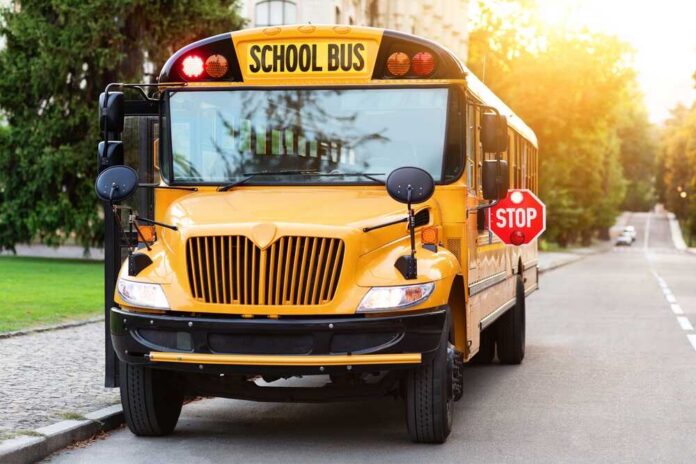
School districts are bidding up bus driver pay because empty seats behind the wheel mean empty seats in class.
Story Snapshot
- Cobb County lifted starting pay to $25 per hour to fill more than 200 openings.
- Union Public Schools tied a $1 raise to a clear goal: hire enough drivers to run routes.
- District 15 bumped pay to $25 and used attendance bonuses to keep buses rolling.
- Shortages remain common nationwide even as wages rise, pushing districts to compete.
Districts Are Paying More Because Routes Cannot Wait
Cobb County School District approved a $5.25 hourly raise for bus drivers, lifting starting pay to $25 per hour and topping out at $33.32. The superintendent said the district had more than 200 openings.
The vote was unanimous, and the goal was simple: get more licensed drivers behind the wheel before the bell rings each morning. District leaders framed the raise as a service fix first and a budget line second. Parents notice missed pickups faster than payroll math.
Union Public Schools made the case plain. The superintendent said the district had no choice but to raise pay if it wanted enough drivers. The new floor for starting pay is $20.19 per hour for transportation staff.
The statement linked the increase to a tight labor market and the need to run every route, every day. That is the operational logic at work across many districts: pay closer to market rates, or lose drivers to warehouse shifts, delivery jobs, and city fleets.
Shortage Pressure Is Broad, And Money Is The First Lever
District 15 raised pay from $21 to $25 per hour to address a shortage and added attendance bonuses over the last two years. Allen Independent School District paired a raise with a $125 attendance bonus every nine weeks.
The board acted to stabilize service after too many uncovered shifts pushed families to scramble for rides. Chesterfield lifted hourly pay from $17 to $20.21 after nearly 175 of 500 driver positions went unfilled at the start of school. Pay moved because buses must move.
School bus driver shortage persists as districts raise pay to compete for workers https://t.co/XYscrc5VfU
— FOX Business (@FoxBusiness) September 7, 2026
Chandler Unified set aside about $610,000 for stipends and higher wages, with annual driver pay listed from $34,000 to $38,000 depending on route type.
Bentonville shifted all drivers to a new salary schedule that raised most pay and boosted starting wages for new hires, with changes landing before the first paycheck of the year.
These steps vary in form—hourly bumps, bonuses, or reclassification—but they share a target: recruit faster and retain longer so route coverage improves.
Competition For Commercial Driver’s License Talent Is Real
Local coverage shows how districts are not only competing with each other. They also compete with private employers who want the same commercial driver’s license talent.
Fox Business noted a district paying around $28 per hour with health benefits while also battling an Amazon warehouse and other steady jobs nearby.
That is why boards reach for clear market tools. Pay signals value. Benefits and attendance incentives reinforce it. Routes improve when the job beats the next best option.
National snapshots back up the on-the-ground scramble. Surveys and reporting describe persistent shortages even as wages tick up. Many administrators still face transport gaps, and families feel the ripple effect when routes are late or cut.
The pattern is consistent: districts add dollars to calm daily chaos. That approach aligns with common sense. When a role carries high responsibility, a split shift, and strict licensing, it must pay enough to win qualified workers back from better-paying lanes.
What Higher Pay Can Solve—And What It Cannot
Raises move the needle fastest on applicant flow and retention, but they do not fix every barrier. Background checks, commercial driver’s license testing, and split schedules still slow hiring.
Some districts add bonuses or stipends to smooth the rough edges while longer fixes take shape. Still, the immediate trend is clear.
Where openings stack up, boards vote to raise pay and place attendance incentives, because missed routes invite safety concerns, parent anger, and learning loss far more costly than a pay step.
School bus driver shortage persists as districts raise pay to compete for workers
— CaroIynYoung (@CaroIynYoung) September 7, 2026
Taxpayers want proof that dollars deliver service. Districts can meet that test with simple metrics: time-to-hire, applicant counts, acceptance rates, and fewer canceled routes.
Chesterfield’s move came after 175 vacancies; monitoring how quickly those seats fill is the accountability part. The bus seat is a promise to families.
Raises are not a silver bullet, but they are a direct, measurable promise-keeper. When we value the driver’s time, the bus shows up—and so do students.
Sources:
stnonline.com, ajc.com, unionps.org, axios.com, dailyherald.com, ibj.com, wsoctv.com, zonar.com