
TSA removed chairs and ordered ID-check officers to stand at checkpoints nationwide, citing alertness and hospitality.
Story Snapshot
- TSA confirmed chairs are gone at travel document checker podiums across the country.
- The agency tied standing to alertness, professionalism, and traveler experience.
- The union said the change is already rolling out in most major airports.
- The rule targets ID and boarding pass checks, not all checkpoint posts.
What TSA Changed And Where It Applies
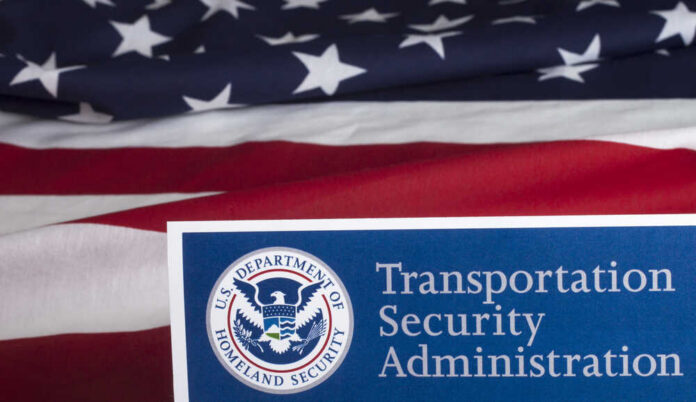
The Transportation Security Administration said officers who verify IDs and boarding passes must now stand while working at checkpoint entrances nationwide.
The agency framed the shift as a way to keep officers alert and present for travelers, calling it part of a stronger security posture and better hospitality.
Reports placed the change at the travel document checker podiums, not at every checkpoint role. Multiple outlets described chairs being removed across the country as the rollout began.
NEW: TSA confirms to @FoxNews that they are taking chairs away from TSA officers checking IDs/travel documents at security lines at airports in an effort to improve vigilance and hospitality by having officers stand and look passengers in the eye while interacting. A TSA… pic.twitter.com/V9F18bIaoz
— Bill Melugin (@BillMelugin_) September 29, 2026
Coverage pointed to the same core scope: the ID check station at the front of the line. That is the first contact for most passengers, which TSA argues shapes the tone of the whole screening process.
The agency also linked the step to fitness-for-duty standards for a national security function. The message is simple management logic: the first face of security should look engaged, alert, and ready to act, even before a bag hits the belt.
How Fast It Rolled Out At Airports
The American Federation of Government Employees TSA Council 100 said chairs started coming out “as of late last week,” and that most major airports had already begun implementing the change.
That on-the-ground detail matches reports that described an immediate, active rollout rather than a long rulemaking. The speed suggests this was an operational directive, not a distant proposal. The union’s public remarks provide an independent sign that checkpoints were changing in real time.
Travelers likely noticed the visual shift first. Document checkers now stand to greet passengers, scan boarding passes, and study IDs at eye level. That posture can tighten the rhythm at the podium and reduce the “are they awake?” doubt that creeps into any repetitive job.
The result can be small but real gains: quicker cues to step forward, cleaner handoffs to screening lanes, and a firmer tone when a document looks off. Those are everyday wins in security work.
Why TSA Says Standing Matters
TSA tied the change to alertness and hospitality. Security leaders have long argued that posture, position, and presence affect vigilance. Standing keeps eyes level with faces, improves voice projection, and makes it easier to pivot toward a problem.
It also sends a cue to passengers: the person checking your ID is switched on. That matters in the only screening step that every traveler must clear, no bins or bags required. Small signals can shape compliance and attention.
From a common-sense view, this is a low-cost way to raise standards at a critical choke point. The country asks TSA to stop threats without grinding travel to a halt. A sharper first contact can support both goals.
The claim does not need a glossy program or new hardware. It needs consistent execution, clear supervision, and fair accommodations for those who truly need them. Expectation plus accountability is how front lines get stronger.
What The Union Is Pushing Back On
The union said chairs provide basic ergonomic support for officers who stand and walk on hard floors all day. They warned that removing seats could strain staff and signaled frustration about consultation. That friction is not new in security work.
Management stresses posture and vigilance; labor points to fatigue and injury risk. The current reporting did not present hard injury data either way, but the values clash is familiar and will likely drive the public debate.
Common sense allows space for both discipline and dignity. The document check station sets the tone and should look sharp. At the same time, smart operations plan for long shifts.
That means anti-fatigue mats, proper footwear guidance, short rotation breaks, and medical accommodations when needed.
The Occupational Safety and Health community has long advised mixing tasks and providing supports for prolonged standing. Implementation details will decide if this policy lands well.
What Travelers Should Expect Next
Passengers will meet standing officers at the podium and hear firmer, clearer direction. Lines may feel more orderly as officers set the pace with eyes up. Travelers should hold IDs ready, remove covers, and match names to boarding passes to speed the handoff.
That small preparation makes the podium flow and keeps the lane moving. If the new posture tightens screening rhythm, you will feel it in fewer hesitations and faster cues to move.
As the change settles in, watch for visible professionalism and polite command at the front of the line. That is the promise of the move: more alert eyes where they count most. If managers back the standard with good scheduling and real supports, the trade-off can work.
Security improves when expectations are clear, enforcement is steady, and the people doing the job have the tools to last the shift. That is how small changes add up to safer airports.
Sources:
abcnews.com, usatoday.com, cnn.com, travelmarketreport.com