
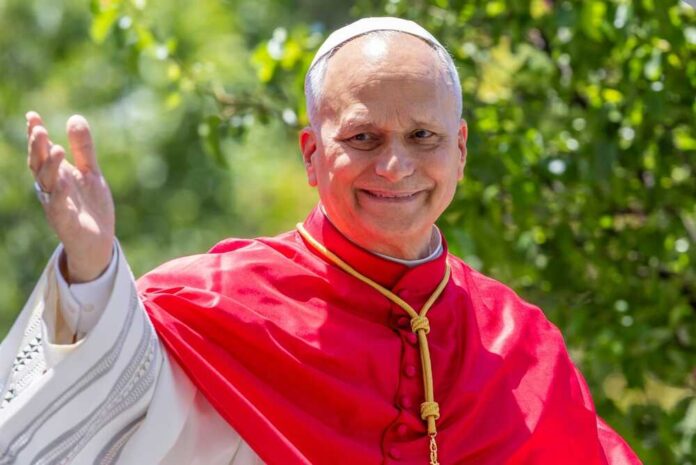
In a bombshell revelation, Pope Leo XIV’s doctors say his lung cancer needs no further treatment.
Story Snapshot
- Doctors confirmed the tumor was a localized lung adenocarcinoma after surgery and testing.
- Surgeons removed the lower lobe of the right lung at Rome’s Gemelli Hospital on October 13.
- Recovery progressed well, with normal tests, walking, and discharge after clearance.
- The operating surgeon reported no complications and saw no reason to cancel a November trip.
Doctors declare no further treatment after surgery
The Holy See Press Office relayed a clear message from Pope Leo XIV’s medical team: the tumor was a pulmonary adenocarcinoma, the disease was localized, and no additional treatment is medically necessary. The statement cites the post-operative oncology review that followed surgery and confirmed this plan. That means no chemotherapy, immunotherapy, or targeted therapy at this time, and a shift to follow-up care. The doctors’ language is tight and specific, which is how good medicine speaks in public.
To reach that call, the team started with proof. During surgery, pathologists examined tissue and confirmed lung adenocarcinoma, matching pre-surgery tests. Surgeons then completed the planned resection. That sequence—confirm the diagnosis, remove the diseased lobe, review all findings—tracks with standard care for a tumor that appears confined to one lung lobe. When the pathology and scans point to localized disease, many patients proceed with surveillance rather than more therapy.
Surgery details and a smooth hospital course
Surgeons removed the lower lobe of the right lung on October 13 at the Agostino Gemelli University Hospital in Rome. The Holy See reported a successful operation without complications. The next day’s update described a calm night, stable vital signs, and good early progress. On day two, the Vatican noted a good second night in the hospital. He advanced to eating, walking, and breathing exercises, which help protect lung function after resection. Later updates cleared him for discharge after routine tests.
The lead surgeon, Professor Stefano Margaritora, explained that for a tumor of this size, removing the entire lobe is standard. He also said the procedure went as planned and did not present complications. He added that there was no clinical reason to cancel the Pope’s planned trip to South America in November. That point matters because it ties medical status to function. Doctors do not greenlight international travel unless they believe the patient’s lungs and stamina can handle it.
What “no further treatment” means in plain terms
No further treatment means the best next step is watchful follow-up, not more drugs or radiation right now. It does not mean zero risk in all time. Oncologists often distinguish “no evidence of disease” from the sweeping phrase “cancer-free.” Current tests can show nothing abnormal, yet doctors still schedule regular checks. That approach reflects caution and experience, not doubt. The doctors here stuck to what they know: localized disease, clean surgery course, and surveillance going forward.
Pope Leo will not need any further therapy after undergoing lung cancer surgery last week, his doctors said on Wednesday, indicating that his tumor had not spread. https://t.co/xg2rqSKVCH
— Interaksyon (@interaksyon) October 22, 2026
For many readers, the most practical question is simple: can he work, travel, and lead? The case points to yes, with normal post-operative signs and a return to public prayer and contact with the faithful soon after. The Vatican reported that he walked and ate, and that respiratory exercises went well. Those are basic, hard signals of recovery. They matter more than buzzwords because they show the body doing real work after a major procedure.
The road ahead: follow-up and public duty
The expected plan now is routine follow-up with scans and clinic visits. That is the normal path after removing a lung tumor that appears confined to one lobe. Doctors look for any sign of return and watch lung function as the body adapts to a missing lobe. The surgeon’s confidence about travel suggests strong early function. For a global religious leader, stability and clarity help the Church plan liturgies, trips, and daily governance without guessing games.
One careful caveat, then confidence
Early reports said more tests would determine spread and next steps, which is common right after surgery. Later updates answered those questions: the disease was localized, and no further treatment is needed. That is a clean arc from surgery to decision. Medicine thrives on staged steps. Take one, confirm with tests, then move. The facts shared by the Holy See and the named physicians align with that rhythm and explain the steady tone in their public statements.
Sources:
abcnews.com, vaticannews.va, nbcboston.com