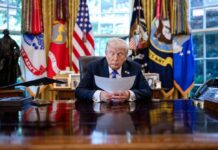


Hackers forced the Federal Election Commission to shut its electronic filing system one week before the midterms, stalling last-minute spending disclosures when voters watch money the closest.
Story Snapshot
- The Federal Election Commission said its filing system went offline as staff worked to restore it.
- An agency filings officer warned of an active breach attempt and a defensive shutdown.
- Committees could not submit required 24-hour and 48-hour spending reports during the outage.
- The agency later said it identified the issue and began a fix; search of past reports stayed up.
What went down, when seconds mattered
The Federal Election Commission took its electronic filing portal offline late Monday, October 26, a week before the November 3 midterms. The agency told the public the system was down and that information technology staff were restoring service. An internal filings officer told campaign compliance firms a “bad actor” tried to breach Commission systems, prompting a shutdown of web-facing services to protect the infrastructure. Past filings stayed searchable while new submissions were blocked.
The clock made the impact sting. In the final days, campaigns and political groups must file rapid-fire 24-hour and 48-hour reports that show race-specific spending. The outage stopped those electronic submissions, narrowing real-time visibility into late money that can swing close contests. Federal election law still requires disclosure, but a delay changes when the public sees it. That timing edge favors whoever holds the ad buy or the checkbook at the moment of silence.
The timeline and what the shutdown did—and did not—do
Outage alerts started around 10 p.m. Eastern Time on October 26. An incident-status log cited by industry reporting put the investigation start at about 10:15 p.m. Eastern Time. The Commission confirmed the portal remained down through October 27 while staff worked the case. Officials later said they identified the issue and were implementing a fix by the evening of October 28, though service had not fully returned by early Wednesday. Nothing in public reports shows altered records or stolen data.
Target selection reveals motive. Election hackers often aim to break availability or shake public confidence, not always to steal data. Taking down a filing service during the last disclosure window lowers the light on spending even if the database remains intact. Here, the Commission kept search access to old reports while shutting the upload path. That move is consistent with a defensive posture: preserve what is known; pause what looks risky. It also aligns with common sense about containment during a live probe.
Why this matters for transparency and trust
Money in politics is speech and power. Voters deserve to see who pays to persuade them before they vote, not weeks after. When the system breaks during the final sprint, watchdogs and journalists lose the chance to trace last-minute cash. That hurts transparency and feeds cynicism. Stronger preparation matters more than spin: segmented networks, real-time monitoring, and backup channels keep disclosures flowing even under fire. Agencies should dry-run these responses the way campaigns dry-run get-out-the-vote plans.
The FEC has halted electronic campaign filings after an attempted hack, a week before the midterms, blocking last-minute 24- and 48-hour spending reports. The agency regulates campaign finance, not voting.
— OrbitTrades (@agentmavericksi) October 28, 2026
Clear communication also counts. The public statement confirmed downtime; the filings officer’s email described an attempted breach. That gap invited speculation that wastes time and energy. Future incidents should ship three things at once: what is down, what still works, and how filers should meet the law today. Adding a temporary filing path—such as secure, pre-registered offline submissions queued for later posting—would protect both compliance and the public’s right to know.
What to watch next
Investigators will trace the entry paths and decide if the attacker touched anything beyond the perimeter. The agency can then brief on scope, method, and fixes. If logs show no unauthorized access, the episode still serves as a stress test for election plumbing. If evidence shows deeper reach, Congress and the administration should fund hardened architecture and require redundant disclosure channels that cannot fail at the same time. That is the sober, limited-government answer that protects both speech and sunlight.
Sources:
yahoo.com, reuters.com, economictimes.com