

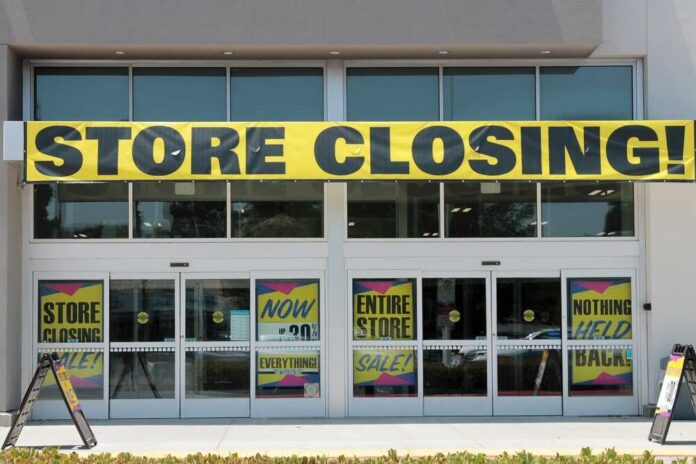
After 36 summers of screams and sticky funnel cake fingers, Fun Spot America Atlanta went quiet in a single August sunset — and that silence says a lot about what is happening to family fun in modern America.
Story Snapshot
- Fun Spot America Atlanta in Fayetteville closed for good after 36 years on August 2, 2026
- The park’s owner pointed to low attendance and weak profits as the core reason for shutting down
- ArieForce One, a headline roller coaster, is gone from Georgia and may be sold to another park
- The closure shows how rising costs and shifting habits are squeezing classic, local amusement parks
A final day after three and a half decades of summer traditions
Fun Spot America Atlanta’s story ended on a Sunday night, August 2, 2026, when the park closed its gates for the last time after 36 years of operation in Fayetteville.
Local outlets and national coverage all locked onto that same date, because the park itself put it in black and white on social media and in press releases. Season passes, group trips, and daily hours were all built around that countdown clock, turning the last weeks into a slow-motion goodbye.
The park did not fade away quietly. Crowds swelled in those final days as families and coaster fans rushed in for “one last ride” and a final walk through the midway. That rush was emotional, but it was also ironic.
For years, management had watched attendance flatten or fall, and that dry spell is what helped kill the park. When people finally showed up in big numbers, the decision was already made and the clock was already ticking.
Why the owners say the fun had to stop in Fayetteville
Company leaders framed the shutdown as a hard business call, not a whim. The owner told local television that attendance “just isn’t where it needs to be” to keep the Fayetteville operation growing and profitable.
That is blunt language, and it lines up with a pattern many small regional attractions face: costs rise, guests get pickier, and if the numbers do not work, sentiment does not save the business.
At the same time, the corporate footprint is not vanishing. Fun Spot still runs parks in Orlando and Kissimmee, and the company made sure Atlanta customers could use their passes and gift cards at those Florida locations after the closure.
That is classic portfolio thinking: shift resources to where demand is stronger and returns look better, even if that means a painful cut elsewhere. Many readers may not like that logic, but it is the basic discipline that keeps companies, and the jobs they support, alive.
ArieForce One’s uncertain future and what it really tells us
The fate of ArieForce One, the park’s huge, award-winning roller coaster, became the soap opera on top of the shutdown. Fans wondered if the ride would be scrapped or moved.
Reports quoted Fun Spot’s chief executive saying the coaster is too large to fit at the Florida parks, but that they would look for a buyer and hoped it would “find a home.” That is not a promise; it is a wish. It shows that even star assets are only safe if they fit the next business plan.
Moments before what would be our last ride on ArieForce One at Fun Spot Atlanta as we know it. Where do you think this incredible roller coaster will end up? pic.twitter.com/1Ni5oAJGbN
— Coasters and Brews 🍻 (@coastersnbrews) August 3, 2026
Rumors quickly linked the coaster to other parks, and enthusiast channels spun out lists of “likely new homes.” This kind of speculation is fun, but it also distracts from the hard center of the story.
Fun Spot America Atlanta is closed. ArieForce One is gone from Georgia whether it ends up reborn in Ohio, Virginia, or nowhere at all.
What this closure signals about local parks and community life
When a big corporate park shutters, the headlines focus on the thrill rides. Locals feel something deeper. Fun Spot America Atlanta was a place where school groups, church outings, and first dates all blended into one long, shared memory.
Finance coverage mentioned an almost four decade run and “countless local residents” posting their sadness as the last season played out. That kind of response shows how much these places act as social glue, not just as profit centers.
The closure also fits a wider pattern. Families face higher prices for gas, food, and tickets. Screens compete with real-world fun. Land values rise. In that squeeze, midsized parks get hit first. Many Americans say they want strong communities and offline family time, but they often drift to cheaper, easier options until it is too late.
When we do not support local institutions with our feet and wallets, they close. Then we wonder why every weekend looks the same and every town feels less special.
Hard choices, nostalgia, and the trade-offs we rarely admit
Fun Spot’s leaders thanked guests for “the memories, the screams, and the love” in their farewell posts. That tone matched the mood on the midway, but it also served a clear purpose. Management needs goodwill to follow the brand to Florida and to sell off Atlanta’s rides at decent prices.
Corporate statements smooth the edges, yet the core choice remains: shut down a struggling site, reallocate capital, and live with the blowback. That is how responsible stewardship looks when numbers turn red.
For readers who grew up with parks like this, the loss stings. But it also forces a question that does not get enough airtime. If we want local, real-world fun to survive, we cannot treat it as optional until a farewell post goes viral.
Business owners make tough calls based on attendance and revenue because that is what reality demands. Communities that value face-to-face joy over endless streaming need to back that up with support long before the last ride sign goes up.
Sources:
foxbusiness.com, ajc.com, atlantanewsfirst.com, timesofindia.indiatimes.com, wsbtv.com, youtube.com