

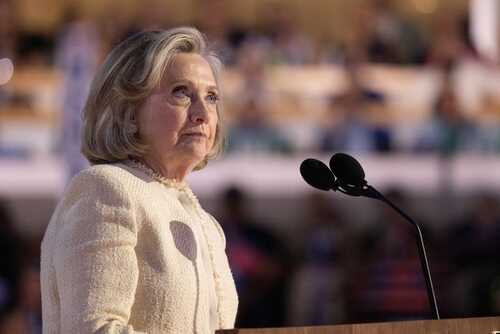
Hillary Clinton’s first congressional endorsement of the 2026 cycle went to Minnesota’s Peggy Flanagan, and that choice tells you where Democrats want the spotlight this year.
Story Snapshot
- Clinton endorsed Minnesota Lieutenant Governor Peggy Flanagan for United States Senate.
- She praised Flanagan’s work for children and families and urged Minnesotans to back her.
- Flanagan welcomed the support and tied it to a shared focus on families.
- Outlets framed it as Clinton’s first House or Senate endorsement of 2026.
Clinton plants her 2026 flag in Minnesota
Hillary Clinton endorsed Minnesota Lieutenant Governor Peggy Flanagan for the United States Senate, marking what multiple outlets called her first House or Senate endorsement of the 2026 cycle. Clinton praised Flanagan’s record and appealed directly to Minnesota voters to support her. She highlighted Flanagan’s career focus on children and families and said Minnesota had the chance to send “an extraordinary person and public servant” to Washington. The endorsement landed with coordinated coverage that underlined its novelty this cycle.
Clinton framed the case around service, not celebrity. She pointed to Flanagan’s path “from the Children’s Defense Fund to the Lieutenant Governor’s office,” a line that makes a policy résumé the headline rather than a partisan jab. That framing sets expectations for a workhorse brand of Senate candidate. It also signals what issues will top the pitch: child well-being, family economics, and bread-and-butter governance over splashy culture fights. That is a safe lane for a statewide race in Minnesota.
Flanagan embraces the nod and its message
Peggy Flanagan publicly thanked Clinton and cast the endorsement as a handoff in a long fight for families. She said she was honored to have the support of someone who has spent five decades on those priorities. That echo reinforces the theme Clinton chose, which can help donors, activists, and local validators sing from the same song sheet. For campaigns, message harmony drives small-dollar fundraising and keeps earned media focused on strengths instead of side drama.
The timing matters. Early-cycle endorsements rarely swing large blocs of voters, but they do organize attention. Research on political signals shows endorsements work best as cues for credibility and as a magnet for coverage and money, not as magic persuasion wands with swing voters. That is why “first of the cycle” headlines matter to campaigns; they unlock guest lists, bundlers, and repeat mentions that build name recognition long before most people tune in.
Why Minnesota, why now
Choosing Minnesota as the first stage suggests Democrats see a clear path to define the race early. The state’s recent elections show stable blue statewide performance, yet with competitive pockets that reward steady, issues-first messages. A Clinton endorsement puts national weight behind that script. It also draws contrasts without shouting. When a national figure blesses a local leader for concrete work, it invites voters to judge on records, not rumors. That aligns with common-sense priorities: results over rhetoric.
The venue also fits the moment in party politics. Democrats have debated whether national figures help or distract. This move adopts a middle route. It uses a famous voice to center a local story about families and competent management. For older voters and suburban parents, that pitch can feel calm and practical. For progressive activists, the Children’s Defense Fund reference signals long-standing commitments. Both audiences can live under that tent without tripping each other’s wires.
What this endorsement likely moves—and what it does not
Endorsements tend to boost visibility, volunteer energy, and fundraising velocity more than they alter core vote choice. That pattern has held across cycles: cues shape which stories get told, and which donors hit send, while only rarely flipping entrenched partisan preferences. For a candidate like Flanagan, who already holds statewide office, the biggest near-term gain is probably media oxygen and a smoother path to define herself before opponents do. That can pay off months later when ads get loud.
CLINTON ENDORSEMENT: Former Secretary of State Hillary Clinton has made her first congressional endorsement of the 2026 election cycle, backing Minnesota Lt. Gov. Peggy Flanagan for Senate. pic.twitter.com/lerzcCmDj1
— Pascalsmc (@Pascalsmc) October 8, 2026
Still, mechanics matter. The clean, values-first language in Clinton’s post sets a high bar for surrogates and supporters who follow. It keeps the focus on kids, families, and delivery. It also leaves room for contrast on competence without personal rancor, a tone that usually plays better with undecided or low-attention voters in the fall. If the campaign matches that tone with steady field work and credible policy rollouts, the endorsement becomes an anchor point, not just a headline.
Sources:
thehill.com, washingtonsun.com, huffpost.com, en.wikipedia.org, peggyflanagan.com