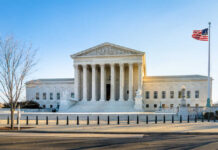

The Kennedy Center’s board voted to credit President Trump on the facade and shut most of the building for two years, daring an existing federal court order that said no.
Story Snapshot
- The board approved an exterior inscription crediting President Trump with renovation work.
- Leaders also backed a plan to close most operations for up to two years.
- A judge had earlier barred renaming and blocked the shutdown in May.
- The legal fight continues on appeal and could trigger fast court action.
What the Board Voted to Do and Why It Matters
Board members at the John F. Kennedy Center for the Performing Arts voted on August 13, 2026 to place wording on the building that reads “Restored and Renovated by President Donald J. Trump,” while keeping the institution’s formal name intact.
They also advanced a plan to close most of the center for up to two years to pursue renovation work. Supporters cast the move as recognition of renovation leadership and a needed construction window, not a formal renaming.
The decision followed months of legal clashes. The board had previously added Trump’s name, then took it down after a court order. Reports describe a board now aligned with Trump’s vision and seeking to proceed “by all legal means,” a phrase included in the resolution language cited by coverage.
The planned inscription and closure, bundled together, aim to shift the debate from titles to repairs, and from renaming to recognition.
What the Judge Already Said and Where the Law Draws the Line
United States District Judge Christopher Cooper ruled in May that Congress named the Kennedy Center and only Congress can change it. He ordered Trump’s name removed and halted a two-year shutdown plan.
The court’s logic focused on the center’s founding law as a living memorial to President Kennedy. The judge rejected unilateral changes that would imply any new formal memorial or name without Congress. An appeals court later refused to pause the removal order.
Coverage of the August vote framed the inscription as a legal test or workaround. The board did not adopt a new formal name but sought a descriptive credit tied to renovations. That tactic could matter if a court distinguishes between an honorary phrase and a memorial designation.
But the May injunction also warned against signage that implies a different named memorial, which is where the new wording could collide with the judge’s line. The board’s gamble now rests on how tightly the court reads that boundary.
The Renovation Rationale and the Two-Year Closure Risk
Leaders linked the inscription to a renovation push and a two-year closure window, which had been floated earlier in the year. Media reports said the center must deliver renovation and closure details to the court, a sign the shutdown is under active judicial review.
Critics point to reporting that much of the referenced work is still ahead, which weakens the case for a sweeping credit today and exposes the closure plan to fresh scrutiny on need, cost, and impact.
🚨 WIRE REPORT
TRUMP’S NAME IS GOING BACK ON THE KENNEDY CENTER
The Kennedy Center board has voted to once again put President Donald Trump’s name on the iconic Washington performing arts complex — setting up another potential showdown with the courts.
The new proposal would… pic.twitter.com/DHkEEjmkg0
— The Parallel Wire (@ParallelWire) August 15, 2026
The May ruling cut hard against unilateral branding. But if the board can show clear construction necessity and honest signage that does not rebrand the memorial, a narrower path could survive review.
What Comes Next: Fast Filings, Tight Deadlines, Real Stakes
Expect rapid motions, possible contempt claims, and status orders. The court already signaled close oversight and asked for detailed renovation information on a short timeline. The board’s own vote language, reported as “by all legal means,” suggests it anticipates courtroom battle.
Patrons, artists, and donors now face uncertainty on schedules and access. The center risks whiplash if emergency relief halts work after plans change. The clock, as is the case in construction and law, is expensive.
Sources:
apnews.com, nytimes.com, aljazeera.com, npr.org, time.com, courthousenews.com, cnn.com