
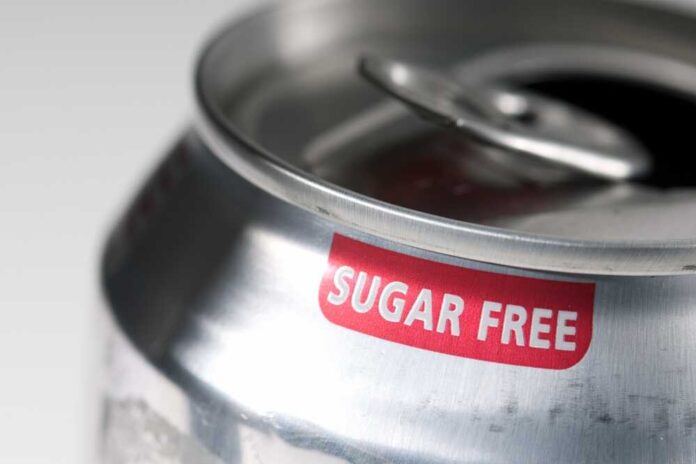
Major studies have shattered the illusion that diet drinks are safe alternatives to sugary beverages, revealing that these supposedly “healthy” options may actually increase your risk of serious liver disease and sabotage weight loss efforts.
Story Highlights
- UK Biobank study of 120,000+ people links diet drinks to increased liver disease and death risk.
- A randomized trial shows that women lost more weight and achieved diabetes remission by drinking water rather than diet drinks.
- Research challenges decades of marketing claims that artificial sweeteners are harmless.
- Even one diet drink per day significantly raises health risks, according to new evidence.
Massive UK Study Exposes Diet Drink Dangers
The UK Biobank study tracked over 120,000 participants and delivered shocking results that should concern every American reaching for a diet soda.
Lead researcher Lihe Liu found that diet drinks increase the risk of metabolic dysfunction-associated steatotic liver disease (MASLD), even at modest consumption levels of just one can per day. More alarmingly, the study revealed that diet drinks are linked to higher liver-related mortality rates compared to regular sugary drinks, completely undermining the health claims that have driven billions in sales.
Water Beats Diet Drinks in Diabetes Trial
A groundbreaking randomized trial presented at the American Diabetes Association’s 85th Scientific Sessions exposed another inconvenient truth about diet drinks.
Women with type 2 diabetes who replaced diet drinks with water experienced significantly greater weight loss and achieved diabetes remission at twice the rate of those who continued consuming artificial sweeteners.
Dr. Hamid Farshchi from D2Type Health emphasized that water, not low-calorie alternatives, should be promoted for effective diabetes and weight management, contradicting mainstream dietary advice.
Artificial Sweetener Industry Under Fire
These findings represent a direct assault on the artificial sweetener industry’s decades-long campaign to position diet drinks as healthy alternatives. The beverage industry has invested heavily in marketing these products to health-conscious consumers, diabetics, and weight-watchers, generating massive profits while potentially harming public health.
MASLD now affects over 30% of the global population and has become a leading cause of liver-related deaths, making these revelations particularly concerning for the one-fifth of Americans who consume diet drinks daily.
Expert Skepticism Highlights Need for Caution
While some experts, such as Dr. Robert Cohen of the University of Cincinnati, question the clinical significance of these findings, the mounting evidence cannot be ignored. The research challenges fundamental assumptions about artificial sweeteners that have guided dietary recommendations for generations.
Both studies were presented at major scientific conferences, lending credibility to their findings, though peer review is still pending. These preliminary results demand immediate attention from health-conscious Americans who have been misled about the safety of diet beverages.
The implications extend far beyond individual health choices, potentially affecting dietary guidelines, beverage industry regulations, and medical advice for millions of Americans managing diabetes and weight concerns.
As President Trump’s administration prioritizes American health and challenges regulatory capture by corporate interests, these findings underscore the importance of questioning establishment health claims and demanding transparency from food and beverage manufacturers who profit from consumer confusion.
Sources:
UC expert comments on study tying diet soda to weight loss, diabetes remission
Major study of diet drinks raises questions about their health impact
Water instead of diet drinks associated with two-fold rate of diabetes remission in women