

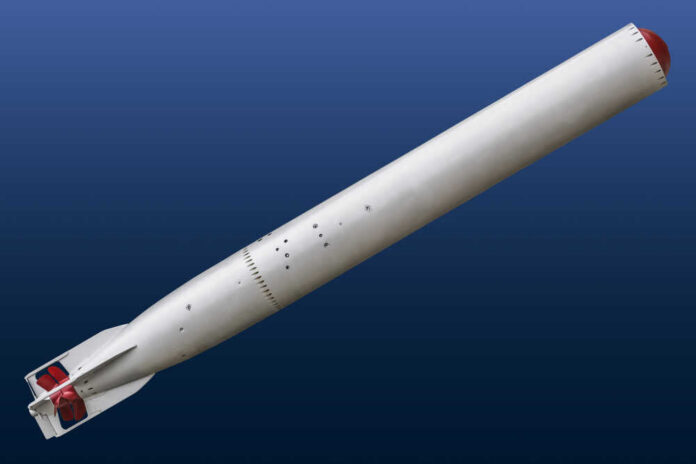
The Iran war did not just test American missiles in combat; it burned through them at a pace that now leaves a real gap between U.S. firepower on paper and what is ready for the next fight.
Story Snapshot
- U.S. forces used at least 45 percent of Precision Strike Missiles in weeks of combat with Iran.
- Analysts say rebuilding key missile stockpiles will take one to four years, not months.
- Heavy use of long-range missiles created a “window of vulnerability” for future wars.
- American industrial limits, not technology, are now the biggest threat to deterrence.
How the Iran war chewed through America’s best missiles
U.S. commanders went into the Iran war with a clear plan: use long-range precision missiles to strip away Iran’s air defenses, strike missile launchers, and protect American forces and allies. That plan worked, but it came at a steep cost.
A Center for Strategic and International Studies analysis, aligned with internal Pentagon data, found the United States expended at least 45 percent of its Precision Strike Missile stockpile in the air and missile campaign.
Those Precision Strike Missiles are new, ground-launched weapons fired from Army rocket systems, meant to replace older Army Tactical Missile Systems with greater range and accuracy.
At the same time, the military fired large numbers of Tomahawk land-attack missiles, Joint Air-to-Surface Standoff Missiles, and high-end air and missile defense interceptors like Patriot and Terminal High Altitude Area Defense, across roughly seven weeks of operations.
That mix of offensive and defensive firepower let the United States hit more than 13,000 targets before a ceasefire, but it also drained inventories that had taken years to build.
U.S. has used 'virtually all' of its long-range precision missiles during Iran war: Reuters https://t.co/Hdd5oEHHXO
— CNBC (@CNBC) August 4, 2026
In the first phase of the war, U.S. planners leaned hard on these “golden bullet” missiles. They used them to destroy Iranian radar, missile launchers, and hardened sites that cheaper, shorter-range weapons could not reach or survive against. As those targets fell and Iranian launchers were disabled, U.S. and Israeli strikes shifted to more plentiful short-range munitions.
Long-range missiles were reserved for distant or heavily defended targets. That change helped slow the burn rate, but by then the damage to stockpiles was done.
One Army official even reportedly said the entire Precision Strike Missile inventory had been expended in the war, though other officials argued some remained. Whether the drawdown was “all” or “almost all,” the fact remains that a system meant to anchor the Army’s future long-range precision fires was heavily drained just as it entered service.
Rebuilding missile stockpiles will take years, not months
Americans often assume the United States can simply spend more money and refill a weapons stockpile quickly. The Iran war showed that is not true for advanced missiles.
CSIS analysts estimate that rebuilding prewar levels for seven key munitions, including Precision Strike Missiles and Joint Air-to-Surface Standoff Missiles, will take from one to four years as missiles already in the pipeline are delivered.
A separate CSIS report on rebuilding missile inventory stressed that Precision Strike Missiles and Joint Air-to-Surface Standoff Missiles would take several months to a year to replace, even with current production plans.
The problem is simple but stubborn: prewar inventories were modest, especially for new systems like Precision Strike Missiles, and factories can only produce so many complex missiles each year.
Even with President Trump’s large defense budgets, the CSIS work argues that planned funding is not enough to restore stocks to prewar levels quickly, much less reach the numbers war planners would like for a major conflict against a peer like China.
That gap between need and output, not a lack of missile designs, is what creates what analysts call a “window of vulnerability” for the United States.
Defense officials openly admit that refilling these stocks will take “months and years, depending on the weapon system,” not weeks. That timeline matters. Precision Strike Missiles and similar systems are not just tools for one theater; they are central to U.S. deterrence across Europe, the Middle East, and the Indo-Pacific.
When half a stockpile is burned in one campaign, those other regions feel the risk. America has long stressed peace through strength. That principle depends on more than speeches and high-tech prototypes; it depends on actual numbers of missiles that are ready to fire today.
The Iran war numbers suggest the United States let inventories fall below what is considered prudent for a superpower that faces multiple possible crises at once.
What this depletion means for future wars and American strategy
Think tank analysts and defense commentators agree on one core point: the United States still has enough missiles to keep fighting in Iran, but the strain shows up when you look at the next war, not the current one.
CSIS and other researchers warn that depleted interceptors and long-range strike missiles could leave the United States short if a new conflict breaks out in the Indo-Pacific or Europe before stocks recover.
This is not a “the sky is falling” claim; it is a sober warning built from budget documents, combat usage data, and known factory output. The Iran war is a live-fire test of what many experts have said for years: America’s high-end munitions inventory is smaller and slower to rebuild than voters assume.
That pattern reflects a deeper problem. Washington has spent trillions on defense over decades, but too much of that money went to headquarters growth, fragile supply chains, and fashionable programs instead of large, durable stocks of missiles and shells. The Iran war’s missile math cuts through slogans.
It shows that in a real fight, what matters is how many effective rounds you can fire over weeks, not how glossy your strategy document looks. For citizens who care about a strong America, the takeaway is clear: demand defense budgets that buy actual missiles, at scale, and hold leaders accountable until those stockpiles match the threats we face.
There is also a lesson about honesty and transparency. Missile inventories are classified, so the public learns about depletion through leaked assessments and think tank work rather than clear government reports. That secrecy can make it easy for political leaders to dodge tough choices.
It also makes it easier for defense industry and advocacy groups to shape the narrative, sometimes to push for more spending without clear plans. Yet the basic facts of the Iran war are solid enough to cut through that fog. The United States burned through huge shares of Precision Strike Missiles, Patriot interceptors, and other key munitions in a matter of weeks.
Rebuilding will take years. Adversaries are watching that gap. If Americans want deterrence to hold, they should insist that this wake-up call changes how the country stocks, builds, and uses its most important missiles.
Sources:
cnbc.com, youtube.com, en.yenisafak.com, cnn.com, businessinsider.com, militarnyi.com, americanmind.org, cronkitenews.azpbs.org, foxnews.com