
The contiguous United States just logged its hottest month on record, and the number that sealed it was tiny but decisive.
Quick Take
- NOAA said July 2026 averaged 76.9 degrees Fahrenheit across the contiguous United States, the warmest month in its 132-year record.
- The new mark edged past the old benchmark set in July 1936, with the margin measured in tenths of a degree.
- NOAA also said overnight lows set a record, which shows the heat did not fade much after sunset.
- Contemporary reporting from several outlets matched NOAA’s numbers and framed the result as a confirmed national record.
NOAA’s Record Comes Into Focus
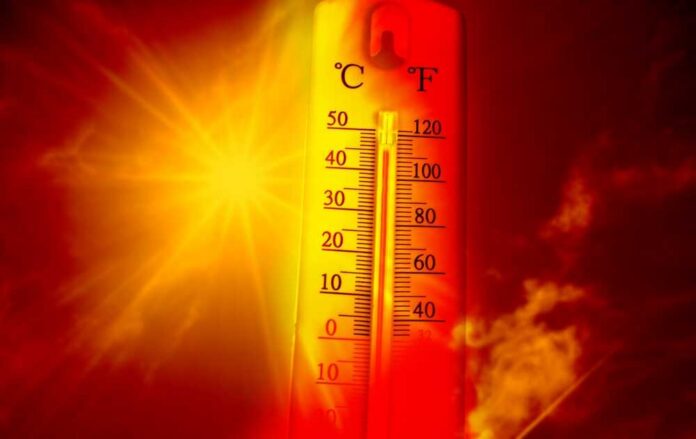
NOAA’s July climate summary says the contiguous United States averaged 76.9 degrees Fahrenheit in July 2026, making it the warmest month on record for the Lower 48. The agency said the month was 3.3 degrees above the 20th-century average and slightly warmer than July 1936 and July 2012.
The scale of the record matters as much as the headline. This was not a giant leap over the old mark. It was a narrow finish, but NOAA still treated it as a clean new record, not a tie. That is why the report drew so much attention: it turns a hot summer month into a historic line in the climate record.
Why the Nighttime Heat Stood Out
NOAA said the hottest part of the story was not just daytime heat. Overnight minimum temperatures averaged 64.2 degrees Fahrenheit, and NOAA said that set a record for warm lows by 0.7 degrees. That detail matters because warm nights rob people, crops, and homes of the recovery time they need after a scorching afternoon.
When nights stay hot, heat becomes harder to escape. Bodies cool less, buildings hold more warmth, and energy demand stays high well after sunset.
That is why a month can feel punishing even when the noon temperature does not look extreme every single day. The night record helps explain why NOAA described July as the warmest month, not just a string of hot afternoons.
A National Pattern, Not a Local Spike
Contemporaneous coverage described a broad heat event across the contiguous United States, not a problem limited to one region. NOAA’s own summary said the month brought warm conditions across the Lower 48 and intense flooding in some areas as well, which shows how varied July’s weather turned out to be. The national average still rose enough to pass every prior month in the record book.
Contiguous US breaks its record for hottest month ever, NOAA says https://t.co/OKy29BYpjZ
— KGET 17 News (@KGETnews) August 11, 2026
Several outlets reported the same core figures and same conclusion from NOAA, including the 76.9-degree average and the new all-time monthly mark.
That consistency strengthens the basic claim, even though the public discussion had already started before the final report landed. Earlier July coverage had used forecast language, but NOAA’s August summary turned that warning into a confirmed record.
Why the Small Margin Still Counts
A record can be real even when the margin is small. July 2026 beat the old benchmark by only a fraction of a degree, but that is enough in climate records that track monthly averages over a large region.
The narrow gap also explains why some early stories sounded cautious. Final NOAA reporting removed that uncertainty and fixed the ranking in place.
The record also fits a larger trend in modern climate reporting. Readers often see the headline first and the method later. In this case, the method is simple: NOAA compared the month’s average temperature for the contiguous United States against its long-running archive, then labeled July 2026 the warmest month in that series. That makes the conclusion straightforward, even if the number itself is easy to skim past.
What This Record Really Shows
July 2026 did more than set a single headline number. It showed how a whole month can stack heat day after day, then leave little relief at night.
That combination is what pushed the contiguous United States into record territory. The story is not only that the month was hot. It is that the heat persisted long enough, and broadly enough, to rewrite the monthly record.
Sources:
washingtontimes.com, pbs.org, climate.gov, lemonde.fr, washingtonexaminer.com, facebook.com, wsj.com, theguardian.com