

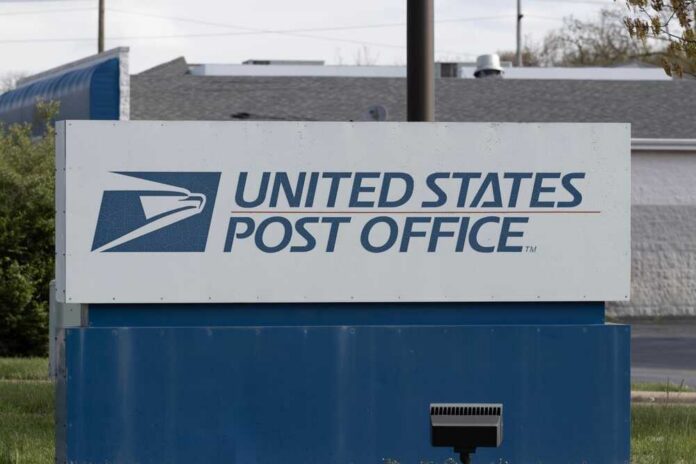
The same inflation and energy shocks hitting your family budget are now being baked directly into package prices, as the Postal Service rolls out its first-ever fuel surcharge.
Quick Take
- USPS says an immediate 8% fuel surcharge on packages is meant to offset rising fuel and operating costs.
- The surcharge lands as USPS also pursues broader 2026 price changes, with filings reviewed by the Postal Regulatory Commission (PRC).
- Some USPS package categories may see decreases while other services increase, creating a confusing patchwork for small businesses and households.
- Rural America could still lean on USPS as a last-mile option because private carriers often stack extra “residential” fees that USPS typically does not.
- Shippers are being advised to audit invoices and diversify carriers as fuel-driven add-ons and rate changes squeeze margins.
USPS adds an 8% fuel fee as energy costs ripple through the system
USPS announced an 8% surcharge on package deliveries, describing it as an immediate move tied to fuel costs and broader operating pressures. The change is notable because USPS historically avoided explicit fuel surcharges, relying instead on periodic base-rate adjustments to cover expenses.
In practice, this shift formalizes what many voters have felt for years: when energy gets expensive, the bill shows up everywhere—even in routine shipping.
The USPS has filed to impose a temporary fuel surcharge of 8 percent. https://t.co/4SaehryxEP
— FOX 5 NY (@fox5ny) March 25, 2026
USPS operates under a universal service obligation, meaning it must reach every address, including remote routes that are costly to serve. That mandate has long been part of the justification for periodic price changes. The new fuel line item, however, signals that the agency believes standard pricing tools are no longer sufficient.
For households and small sellers, the immediate effect is straightforward: package costs rise even before any other pending rate adjustments fully settle.
How the 2026 rate filings and PRC review complicate the picture
USPS has also filed 2026 rate and service changes with the PRC, which reviews pricing proposals and sets the guardrails for what USPS can implement. Reported averages for proposed changes range roughly in the mid-single digits, with some services increasing and some tiers decreasing.
That mixed outcome matters because it prevents a simple headline like “everything is up” while still leaving many customers paying more depending on weight, zone, and service level.
Industry coverage indicates some Ground Advantage prices could decrease for certain tiers, while other products—such as Priority Mail categories—face increases. That unevenness is a headache for budgeting because families and businesses cannot assume a single percentage change across the board.
It also creates a trust problem: Americans already skeptical of opaque fees see yet another moving target, with a surcharge layered onto a system where the final impact depends on fine print.
Rural delivery and the carrier-fee squeeze: why USPS still matters
Rural customers and the small businesses that serve them face a different set of pressures. Private carriers frequently apply “residential” surcharges and other accessorial fees that can stack up and widen the cost gap for long-distance deliveries. Research cited by shipping analysts suggests these add-ons can account for a large share of rural cost variance.
USPS, by contrast, has historically delivered to residences without those same stacking fees, preserving a measure of fairness for out-of-the-way communities.
That doesn’t mean rural America is protected from price increases—an 8% fuel surcharge still bites. It does mean USPS can remain a strategic last-mile option as costs converge across carriers. Analysts point to strategies like using destination delivery models and mixing carriers to reduce exposure to the steepest add-on fees.
For conservatives wary of policies that punish heartland communities, the practical takeaway is to watch whether the new USPS surcharge becomes a one-off or a precedent.
What shippers can do now—and what to watch next
Consultants advising shippers are emphasizing defensive steps rather than political talking points: audit shipping invoices, model zone-based changes, and diversify carrier options where feasible. Some firms claim audits and contract tuning can cut meaningful percentages off total shipping spend, especially for businesses shipping at scale.
Those steps won’t erase a surcharge, but they can limit how much new fuel-driven pricing power carriers and middlemen gain over small operators.
Uncertainty remains about timing and rollout details because some reporting frames the fuel surcharge as “immediate,” while other coverage ties major price changes to the 2026 filing schedule and PRC oversight.
Consumers should also watch USPS operational modernization efforts, including moves toward more automation and electrification, because those projects are pitched as longer-term ways to reduce exposure to fuel volatility. For voters tired of endless cost-of-living squeezes, this is another reminder that energy policy and inflation aren’t abstract—they land at your front door.
🇺🇸 // BREAKING: US Postal Service to impose its first-ever fuel surcharge on packages.
— Gen Alerts (@GenAlerts) March 25, 2026
In 2026, with Americans already strained by high prices and federal spending fights, the political risk for any administration is obvious: new fees feel like a quiet tax, even when they come from quasi-government institutions.
USPS is arguing that the surcharge helps stabilize finances while meeting nationwide delivery obligations. The open question for taxpayers is whether Washington’s broader policy choices keep feeding the same cost spiral, or whether leaders finally rein in the drivers that make “temporary” surcharges the new normal.
Sources:
US Postal Service Implements 8% Surcharge on Packages Due to Fuel Costs
2026 USPS Rate and Service Changes
US Residential Shipping in 2026: How USPS DDU and Carrier Mix Stop Rural Parcels Bleeding Margin
USPS 2026 Rate Hikes: Navigating the Impact on Your Parcel Shipping Strategy
Losing Customers to Shipping Surcharges