
Pope Leo XIV delivered his first Easter message without naming the global conflicts tearing nations apart, opting for vague spiritual platitudes while the world burns in war, raising questions about whether religious leaders will stand firmly for peace or hide behind carefully crafted diplomatic silence.
Story Snapshot
- Pope Leo XIV celebrated his inaugural Easter Mass, calling for peace without naming the ongoing U.S.-Israeli war with Iran or the Russia-Ukraine conflict
- The pontiff’s Urbi et Orbi blessing emphasized general harmony despite his stronger Palm Sunday condemnation of warmakers
- Leo baptized 10 adults and urged the faithful to overcome barriers of “war, injustice, and isolation” in his homily
- The measured approach contrasts with previous papal directness, signaling a potential shift in Vatican diplomatic engagement
New Pope’s Easter Message Avoids Naming Active Wars
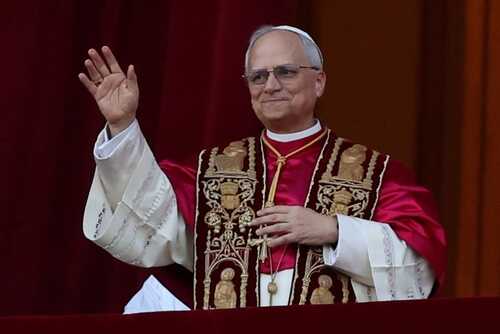
Pope Leo XIV marked his first Easter as pontiff with a ceremonial Mass at St. Peter’s Square, delivering the traditional Urbi et Orbi blessing from the basilica’s central loggia. The newly elected spiritual leader called for global peace and harmony but conspicuously avoided naming specific international conflicts in his formal Easter message.
This cautious approach comes as the U.S.-Israeli war on Iran enters its second month and Russia continues its military campaign in Ukraine, both conflicts claiming lives daily while the Vatican offers generalized appeals for reconciliation.
In his traditional "Urbi et Orbi" blessing, Pope Leo XIV warned against complacency in the face of relentless violence https://t.co/SigeRdadrR
— DW News (@dwnews) April 5, 2026
Spiritual Language Replaces Direct Confrontation
During his Easter homily, Leo XIV described sin as “a heavy barrier that closes us off and separates us from God,” likening it to the stone covering Jesus’ tomb. He identified contemporary sins including “mistrust, fear, selfishness and resentment” and acknowledged that some “sever the bonds between us through war, injustice and the isolation of peoples and nations.”
The pontiff baptized 10 adults from around the world as part of the Mass tradition, urging the faithful to ensure “the Easter gifts of harmony and peace may grow and flourish everywhere and always throughout the world.”
Contrast With Previous Palm Sunday Condemnation
Leo’s measured Easter message stands in stark contrast to his Palm Sunday statements just days earlier, when he declared that God does not listen to prayers of those who make war or cite God to justify violence. The newly elected pope has repeatedly called for halts in hostilities since taking office, yet his Easter address pulled back from direct confrontation with warring nations.
This diplomatic retreat raises concerns about whether moral authority will translate into meaningful pressure on governments perpetuating conflict, or whether the Vatican will settle into comfortable abstraction that offends no one while achieving nothing.
Questions About Effective Moral Leadership
The pope’s choice to speak in spiritual generalities rather than naming specific aggressors reflects a longstanding Vatican diplomatic tradition, but critics question its effectiveness in today’s geopolitical climate. While the Catholic Church positions itself as an advocate for dialogue and reconciliation, vague calls for peace do little to hold accountable those leaders who continue ordering military strikes and prolonging human suffering.
For Americans watching the Trump administration navigate complex international conflicts, the pope’s reluctance to identify aggressors and victims undermines the moral clarity needed from religious institutions. Faith communities possess unique platforms to speak truth to power, yet that authority diminishes when exercised through carefully sanitized messages designed to avoid diplomatic complications.
Implications For Vatican’s Global Influence
Leo XIV’s approach during this inaugural Easter may signal how his papacy will engage international affairs throughout his tenure. By choosing moral and spiritual language over political specificity, the new pope establishes a pattern that could reduce Vatican influence on concrete policy outcomes.
The message reaches Catholic faithful worldwide and diplomatic communities, but its impact depends entirely on receptiveness to moral authority disconnected from specific accountability.
As conflicts escalate and civilian casualties mount, the question remains whether religious leaders will provide the prophetic witness their positions demand or continue delivering safe, forgettable appeals that change nothing while preserving institutional relationships with all parties.
Sources:
Photos show Pope Leo’s first Easter Mass as pontiff – Crux Now