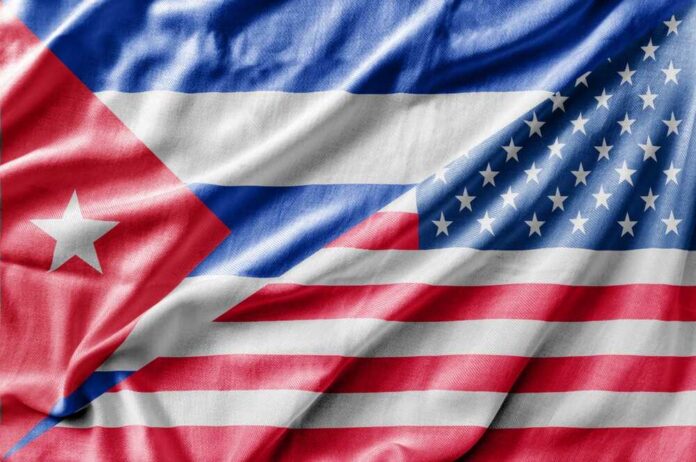
President Trump escalates threats of a takeover of communist Cuba, warning it may not be “friendly” as the island’s fuel crisis exposes the regime’s fragility.
Story Highlights
- Trump affirms push for Cuba takeover amid blackouts, rationing, and student protests triggered by U.S. oil embargo enforcement.
- Secretary of State Marco Rubio leads high-level talks with Havana, but no successor has been identified for post-regime stability.
- Cuba produces only 40% of its fuel domestically, now down to “fumes,” with hospitals struggling after a month without imports.
- Rare university student protests in Havana signal cracking regime resilience under economic pressure from Trump’s policies.
Cuba’s Fuel Collapse Under Communist Mismanagement
Cuba faces over a month without oil imports after U.S. tariff threats halted shipments from Mexico and Venezuela. The nation produces just 40% of its fuel needs domestically, triggering widespread blackouts, petrol rationing, suspended bus routes, and school cancellations.
University students in Havana protested power outages despite arrest risks, a rare challenge to the repressive regime. This self-induced crisis stems from failed socialist policies unable to sustain the population’s basic needs.
Trump’s Strategic Escalation and High-Level Diplomacy
On February 28, 2026, President Trump announced U.S. talks with Havana at a “very high level” led by Secretary of State Marco Rubio. En route to Texas, Trump raised a “friendly takeover” possibility as Cuba ran out of money and fuel.
By March 10, he clarified the takeover “may not be friendly,” noting hospitals struggle amid the fumes-level crisis. This builds on Trump’s first-term embargo tightening, reversing Obama-era openings that empowered communists.
Trump reiterates threat of a 'friendly takeover' of Cuba as fuel crisis deepens https://t.co/gpkLeUA7kZ
— CNBC Politics (@CNBCPolitics) March 10, 2026
Armed Incident and Regime’s Desperation Claims
A shootout off Cuba’s coast days before Trump’s February statement involved 10 armed men, which Havana labeled a U.S.-backed terrorist infiltration. Four died and six were injured in the clash. The communist government defends its sovereignty while probing the incident, blaming the U.S. “blockade” for woes. Such claims echo historical patterns like the 1961 Bay of Pigs, underscoring Cuba’s isolation and reliance on external foes to deflect internal failures.
Historical Context of U.S. Anti-Communist Pressure
U.S.-Cuba hostility dates to Fidel Castro’s 1959 revolution, met with a longstanding embargo intensified under Trump’s first term via oil and remittance curbs. Current policy revives enforcement, cutting imports that cover 60% of Cuba’s fuel. This mirrors 2019 “maximum pressure” on Venezuela, Cuba’s oil ally.
UN officials note the shift to humanitarian risks, with Cubans biking amid tripled transport costs, highlighting globalist failures to prop up dictators.
Trump and Rubio exploit the crisis for U.S. influence and an anti-communist legacy, prioritizing American security over endless aid to failed regimes. Cuban opacity around leaders like Miguel Díaz-Canel leaves post-change stability uncertain, raising chaos risks without a clear successor.
Short-term suffering mounts for civilians, but long-term regime collapse could yield a freedom-friendly government, testing communist resilience against economic reality.
Sources:
Trump says threatened takeover of Cuba may not be ‘friendly’