
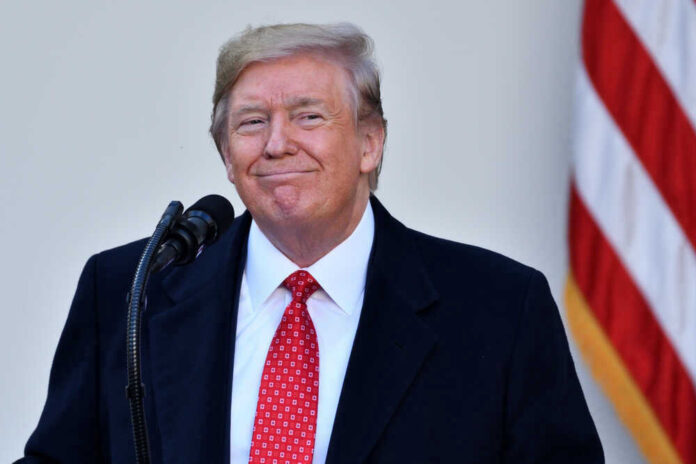
YouTube has agreed to pay President Trump $24.5 million to settle his lawsuit over the platform’s controversial suspension of his account following January 6, 2021, marking another major victory against Big Tech censorship.
Story Highlights
- YouTube settles with Trump for $24.5 million over account suspension lawsuit.
- Settlement follows similar payouts from Meta ($25 million) and X ($10 million).
- Big Tech companies are rushing to settle disputes since Trump’s return to office.
- Democratic senators had previously warned against settlements, citing concerns about bribery.
YouTube Pays Massive Settlement to Avoid Liability
YouTube agreed to pay $24.5 million to settle President Trump’s lawsuit over the platform’s suspension of his account after January 6, 2021.
The settlement filing from the U.S. District Court for the Northern District of California explicitly states it “shall not constitute an admission of liability or fault” by YouTube or related parties.
This massive payout represents a significant vindication for conservatives who argued Big Tech’s coordinated censorship campaign violated free speech principles and targeted political opponents.
YouTube agrees to pay Trump $24.5 Million to settle lawsuit over suspended account @CNBC https://t.co/Iru1vevIM7
— Sanjiv Moré (@sanjivvmore) September 30, 2025
Pattern of Big Tech Capitulation Under Trump Administration
YouTube’s settlement continues a clear pattern of Big Tech companies rushing to resolve disputes since Trump returned to the White House in January 2025. Meta previously agreed to pay $25 million in January to settle its lawsuit with Trump, while Elon Musk’s X platform settled for approximately $10 million the following month.
These settlements demonstrate how these platforms’ previous censorship actions have proven legally and financially costly, forcing them to pay substantial sums rather than face prolonged litigation under the new administration.
Democratic Opposition to Accountability Settlements
Democratic senators, led by Elizabeth Warren of Massachusetts, attempted to interfere with YouTube’s settlement negotiations by sending a letter to Google CEO Sundar Pichai and YouTube CEO Neal Mohan in August.
The senators claimed the settlement could constitute a “quid-pro-quo arrangement” and worried about companies avoiding accountability for alleged violations of competition, consumer protection, and labor laws.
Their opposition reveals Democrats’ preference for continued Big Tech protection over holding these platforms accountable for their coordinated censorship campaign against conservative voices.
Victory Against Coordinated Big Tech Censorship
Trump originally sued YouTube, Facebook, and Twitter in mid-2021 after all three platforms simultaneously suspended his accounts over alleged concerns about incitement of violence. The coordinated nature of these suspensions raised serious questions about collusion among Big Tech platforms to silence political opposition.
These substantial settlements validate concerns that the suspensions were politically motivated rather than based on legitimate safety concerns, representing a major victory for free speech advocates and constitutional rights defenders nationwide.