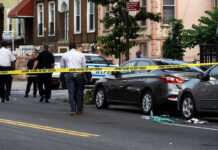

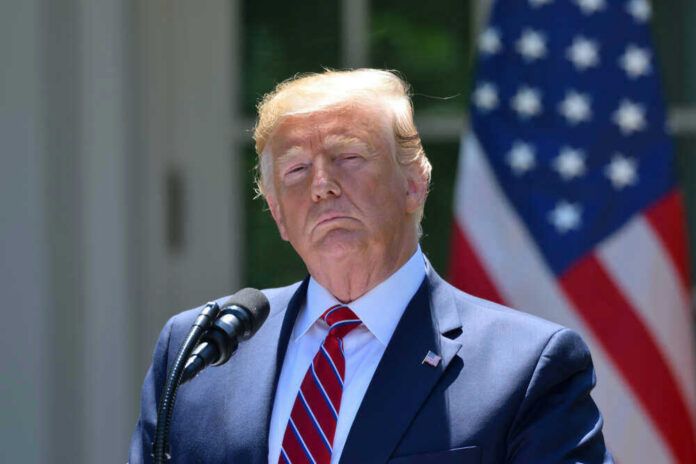
Two men attacked a woman protester inside President Trump’s Youngstown rally, and the mayor called it “senseless” political violence.
At a Glance
- Video shows two men shove, punch, and restrain a woman protester in the stands.
- Youngstown’s mayor condemned the assault as “senseless” political violence.
- Security fell to the Mahoning County Sheriff’s Office and the United States Secret Service, not city police.
- No charges had been filed as of the first reports; police urged a complaint.
What Happened Inside the Rally
Witness videos from the Covelli Centre in Youngstown show a woman wearing a “Release the Epstein Files” shirt in a confrontation with nearby attendees. One man shoved her down a row of seats. A second man appeared to punch her, pull her hair, and put her in a headlock before uniformed officers separated them and led her away. The clash happened while President Trump spoke to the crowd. The footage spread fast and sparked sharp public reaction.
Youngstown Mayor Derrick McDowell responded within hours. He said political violence has no place in the city or in the democratic process. He called the incident “senseless” and urged calm, order, and respect for speech, even speech we do not like. His statement aimed at both rallygoers and critics, signaling that standards should apply across the board. That message tracks with long-standing community values and the basic rules of civic life.
Who Was in Charge of Security and Response
Security inside the arena was handled by the Mahoning County Sheriff’s Office and the United States Secret Service, not Youngstown police. That is standard for a sitting president’s event. Deputies moved in after the scuffle started and separated the people involved. The mayor later clarified the roles to prevent finger-pointing at city officers who were not assigned to the venue. Clear lines help the public judge accountability fairly, without rumor filling the gaps.
The Mahoning County Sheriff’s Office said no charges had been filed in the immediate aftermath. That does not end the case. Police in Youngstown urged the woman to file a formal report so investigators can collect statements, review video, and refer charges if the evidence supports it. Many assault cases at crowded events hinge on who reports, what witnesses saw, and what the clearest video shows from start to finish.
Why This Matters Beyond One Night
The episode fits a wider pattern: most political violence shows up as assaults and clashes at rallies, protests, and public meetings, not as organized plots. A Reuters review identified more than two hundred politically linked incidents since early 2021, with about two-thirds involving lone actors or small-group confrontations at public events. That pattern raises the stakes for crowd control and for norms that push people to de-escalate rather than swing fists.
Researchers and trackers warn that threats and intimidation against political actors have climbed in recent years. The Carnegie Endowment and other monitors point to rising threats against members of Congress and more armed actors around demonstrations. Leaders who set a firm line on nonviolence help lower the heat. So do event plans that separate rival groups, keep aisles clear, and give officers room to move fast before tempers flare.
How Conservative Principles Frame the Response
American conservative values stress law and order, free speech, and personal responsibility. Those values line up with the mayor’s core point: violence is out of bounds, even when we dislike the message. Order at public events protects everyone’s rights, including the right to cheer a president and the right to dissent peacefully. The proper path is simple and old-fashioned: enforce the law, press charges when evidence allows, and let courts judge facts, not mobs in the stands.
A woman wearing a "Release the Epstein Files" shirt was dragged down, had her hair pulled and punched by Trump supporters at a MAGA rally in Ohio.
Then the Police came and removed her, not her attackers.
Welcome to Trump’s US 🇺🇸 pic.twitter.com/WqkxWTQzmp
— Saif Maher (@SaifMaher421388) October 14, 2026
Practical steps can help prevent the next clash. Rally organizers can brief volunteers on de-escalation. Security can stage earlier interventions when heckling starts to turn physical. Attendees can do their part by flagging officers, not throwing punches. If a crime occurs, victims should file reports, and witnesses should share video and statements. That is not partisan. That is how a self-governing people keeps passion within the limits that freedom requires.
Sources:
nbcnews.com, newser.com, cleveland.com, ibtimes.co.uk, wsws.org, giffords.org, reuters.com, carnegieendowment.org