

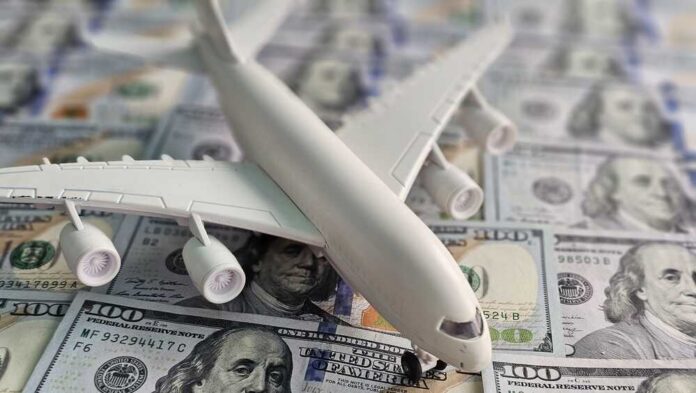
One airline has found a way to turn that scramble for overhead locker space into a paid privilege.
Story Snapshot
- Jetstar will start charging for overhead locker space on carry-on bags from February 2027.
- Passengers still get one small under-seat bag free, but larger cabin bags will cost extra.
- The airline says the change will cut stress, speed boarding, and help flights leave on time.
- Many travelers see another fee, raising questions about fairness and the low-cost model.
Jetstar turns overhead locker space into a paid add-on
Australian budget airline Jetstar is making a major change to how you bring a bag on board. From February 2027, anyone who wants to use the overhead locker for a larger carry-on bag will have to pay a new “Priority Carry-on” fee, starting around 25 Australian dollars on shorter domestic routes and rising to about 52 Australian dollars on longer international flights. The old free seven kilogram cabin allowance on standard fares disappears under this overhaul.
Australian airline Jetstar will charge passengers to use overhead lockers for their bags https://t.co/YgJ4QHpGqq pic.twitter.com/ncSuXXpoA0
— New York Post (@nypost) August 5, 2026
Under the new rules, every passenger on a standard ticket still gets one small bag that fits under the seat for free. Think a handbag, laptop bag, or compact backpack, as long as it fits within tight size limits that Jetstar sets.
Anything bigger that needs overhead locker space turns into a paid extra. That paid option also brings priority boarding, letting those customers get on earlier and secure their overhead space before the rest of the cabin files in.
The official case: less stress, faster boarding, more on-time flights
Jetstar is not selling this change as a simple cash grab. In its statements, the airline links the new fee to a broader plan to streamline boarding and cut stress at the gate.
The company says customer and crew feedback showed that having bags weighed at the boarding gate and hunting for overhead space were among the most stressful parts of flying. The new model scraps the need for scales at the gate and shifts focus to bag size instead of weight.
Jetstar’s chief executive, Stephanie Tully, has argued the change will “make better use of overhead locker space, streamline boarding and help more flights depart on time.”
That lines up with what many travelers have seen for years: crowded cabins where people drag oversized bags down the aisle, block traffic while they hoist them up, then roam up and down searching for a spare bin. The airline’s logic fits a common-sense view that ordered, limited overhead use should move faster than a free-for-all.
What it means for your ticket and your wallet
For passengers, the first shift is mental: the price you see when you search a flight will cover less than before. The base fare gets you a seat and one under-seat bag. If you are used to rolling a cabin suitcase on for free, that habit now needs a budget line.
Jetstar says overhead locker access will use dynamic pricing, which means the cost changes by route and by demand, just like airfares. Buy early and online, and you likely pay less than if you wait until the airport.
The sample prices show how the fee scales with distance and demand. Routes like Launceston to Sydney start at about 25 Australian dollars for an overhead bag, Sydney to Melbourne at roughly 33, Perth to Bali from about 39, and Cairns to Tokyo at the top near 52.
For families, that can stack up fast. Four people each needing overhead space on a holiday flight to Japan could face more than 200 Australian dollars on top of the base fares.
The wider pattern: low-cost fares, high-cost extras
Jetstar’s move sits inside a bigger trend in modern air travel. Budget airlines everywhere have built their business around low headline fares and paid add-ons. First checked baggage became a fee. Then seat selection, food, and even printing a boarding pass at the airport followed.
Now cabin baggage itself is split into “basic under-seat” and “premium overhead” tiers, with the second sold as an optional upgrade. This is classic “unbundling” of services.
🟠 JETSTAR WILL START SELLING YOU THE OVERHEAD LOCKER FROM 2 FEBRUARY 2027, SO WE PRICED A REAL SYDNEY TO MELBOURNE TRIP TO SEE IF THE CHEAP FARE IS ACTUALLY CHEAP 🟠
Jetstar boss Steph Tully says the change helps "keep our fares low". We booked nothing and priced everything,… pic.twitter.com/aziOOS0nwD
— One News Australia (@OneNewsAu) August 5, 2026
For some, the model has an upside. People who travel light and only need a small bag can avoid paying for space they do not use. Those who want the convenience of a bigger cabin bag pay extra.
Price signals allocate a scarce resource: overhead locker space. That approach rewards planning and personal responsibility. Yet many ordinary travelers feel nickeled and dimed by a list of fees that now touches almost every part of the trip.
Passenger backlash and the comfort trade-off
Reaction has been sharp across social media and in letters to newspapers. Some travelers call the new charges “silly, unfair, unnecessary” and threaten to avoid the airline completely.
Others, tired of watching battles for locker space, welcome stricter rules and see the 52 Australian dollar cap as a fair trade for a calmer cabin and quicker trips. The divide falls along a simple line: whether you see overhead use as a basic part of flying or a luxury convenience.
Common sense says both sides have a point. If you paid for a seat, it feels natural to expect space for a normal cabin bag. At the same time, overhead lockers are finite, and modern planes run full more often than not.
When people cram the bins with huge bags, everyone pays in delays and frayed tempers. Jetstar is betting that clearer, paid rules will restore order and loyalty over time. Travelers will decide if the trade-off is worth one more fee.
Sources:
nypost.com, mothership.sg, jetstar.com, news.com.au, dailymail.com, english.mathrubhumi.com