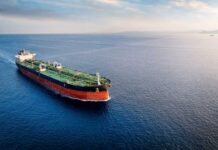


Six people were killed in a Houthi attack on a cargo ship in the Bab el-Mandeb Strait, and the strike marked the first shipping deaths in that corridor in more than a year.
Quick Take
- The attack hit the Egyptian-owned, Tanzania-flagged Tihamah in a vital Red Sea choke point.
- Yemeni authorities said four crew members and two members of the government-allied National Resistance Forces were killed.
- Reports also describe a follow-up strike on rescuers, which deepened the shock around the incident.
- Houthi-aligned messaging tried to frame the vessel as military-linked, but the public record centers on a deadly attack on commercial shipping.
A Deadly Strike in a Narrow Waterway
The Bab el-Mandeb Strait has become one of the most watched lanes in the world, and this attack proved why. Reuters reported that Houthi militants fired on a small cargo ship in the strait, killing three crew members in its initial account, while later reporting and other outlets said the toll rose to six after a second hit on rescuers and injured survivors.
That detail matters because it turns a shipping attack into a story about how quickly danger spreads.
6 Killed, 10 Injured In Suspected Houthi Attack On Cargo Ship Near Bab el-Mandeb
Read Full News Here 👉 https://t.co/b12IkGk0Pd#MarineInsight #Merchantnavy #Merchantmarine #MerchantnavyShips #BabElMandeb #news #cargoship #maritime #houthis pic.twitter.com/LtKneTghCR
— MarineInsight (@MarineInsight) August 12, 2026
Yemen’s internationally recognized government said the dead included foreign sailors and men tied to the government’s forces, which gave the attack an even wider political weight.
The ship was identified as the Tihamah, and one report described it as a commercial vessel carrying food supplies. Another report said it was sailing from Salalah in Oman via Djibouti when it was hit.
How the Story Was Framed
The Houthis have tried to cast maritime strikes as wartime pressure on enemy shipping, not random violence. Reuters reported that a Houthi-run outlet said the group had attacked “a Saudi ship carrying military equipment” in the same wider area, a claim that fits the group’s pattern of justifying attacks as part of a broader conflict.
That framing can sound forceful, but it is not the same thing as proof that the struck vessel was a lawful military target.
The public facts available here point in a different direction. Multiple reports describe the ship as a cargo vessel, not a warship, and several accounts focus on civilian crew, rescue efforts, and a death toll that climbed after the second strike.
For most, that is the part that lands hardest: a commercial ship was hit in a strategic lane, and the people aboard paid the price.
Why Bab el-Mandeb Matters
This attack did not happen in a vacuum. BBC reporting said Houthi attacks on shipping were already threatening to choke off traffic through the Red Sea route and were unfolding amid a wider regional conflict.
That context explains why governments watch every blast so closely. A strike in Bab el-Mandeb can ripple far beyond Yemen, because the strait links the Red Sea to the Gulf of Aden and the flow of global trade.
That is also why the casualty count drew so much attention. Reuters and other outlets said this was the first fatal Houthi-linked shipping attack in the area in more than a year.
When a conflict suddenly turns deadly at sea again, insurance costs jump, crews worry, and every port in the region starts to look more exposed. The waterway is narrow, but the consequences are not.
The Harder Question Behind the Headlines
The most contested question is not whether the attack happened. It is what the attackers believed they were hitting, and whether that belief could justify the result.
There is no primary-source U.S. military explanation for any later strike on a container ship, nor does it show a boarding record, intelligence packet, or legal review proving a blockade breach. Without that, the strongest claim available is simple: the attack was deadly, disruptive, and part of a broader war at sea.
Four crew killed in the first fatal Houthi shipping attack of the current conflict.
The Egyptian-owned cargo ship Tihamah was struck in the Bab el-Mandeb while at anchor northeast of Perim Island. Three Pakistani and one Indonesian crew member were killed. The vessel had… https://t.co/gdBhq2DPCd
— The Red Sea Monitor (@redseamonitor) August 12, 2026
That is why this incident travels so fast across headlines. It offers a clean, brutal image that readers understand at once: a cargo ship, a chokepoint, missiles, and dead sailors.
The deeper truth is less tidy. Maritime warfare invites claims of defense, retaliation, and necessity, but the first facts to survive are usually the ugliest ones. In this case, those facts are already enough to show how fragile the Red Sea has become.
Sources:
youtube.com, aljazeera.com, ksl.com, tribune.com.pk, middleeasteye.net