
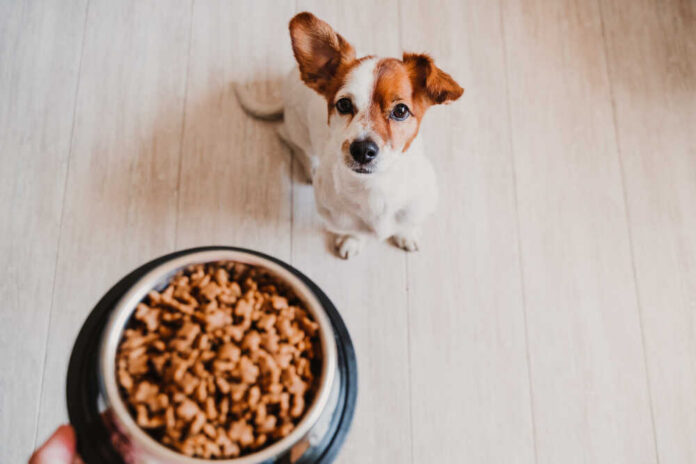
Thousands of cans of Fromm wet dog food were pulled after customers reported possible metal in the food, and the details matter if you feed a dog today.
Story Snapshot
- Fromm recalled two wet dog foods over potential metal contamination
- 3,852 cases of Turkey Pâté and 1,973 cases of Milo’s Meatloaf were affected
- No injuries were reported at the time of the notice
- Foreign material recalls are a recurring pet food risk
Fromm’s Recall: What Was Pulled And Why It Matters
Fromm Family Foods recalled two canned dog foods after customer complaints about possible metal fragments. The Federal Food and Drug Administration (FDA) notice lists 3,852 cases of Fromm Turkey Pâté Wet Food for Dogs and 1,973 cases of Fromm Diner Classics Milo’s Meatloaf Pâté Wet Food for Dogs.
The alert cites “potential metal contamination” and identifies the products by name, size, and codes so buyers can check their pantry fast. Local and national outlets echoed the figures and reason for the recall.
Dog food recalled across US and Canada after complaints of metal contamination https://t.co/AuVDWsdHPG
— FOX Business (@FoxBusiness) August 24, 2026
The recall covers specific lots and best-by dates. Retailers across North America received the affected products, including neighborhood pet stores. Fromm directed customers to stop using the food and return it for a refund.
At the time of reporting, agencies and news outlets reported no confirmed injuries or illnesses linked to these cans. That does not lower the risk. Metal fragments can cut a mouth, break a tooth, or cause internal harm if swallowed.
How Foreign Material Slips Into Food Production
Metal can enter a canning line in several ways. A worn blade can shed, a fastener can break, or equipment can fragment under stress. Plants use magnets, screens, and metal detectors to catch pieces, but no control removes every hazard.
When a customer complaint aligns with a lot code, a responsible company stops the line and pulls product. That is what the FDA calls a voluntary recall, and it is the right first step to protect pets.
Pet food recalls follow patterns seen in human food. A long review of recalls shows thousands of events over two decades, with biological and chemical hazards leading the list, and foreign material as a steady minority cause.
Metal ranks as a common foreign object behind plastic. These events are not rare outliers; they are known risks that plants must design around with better checks and better supplier controls.
What Owners Should Do Today
Dog owners should check can labels against the names, sizes, and codes in the FDA alert. If a match appears, stop feeding the food and return it to the store. Watch your dog for signs of trouble, including drooling, pawing at the mouth, vomiting, or blood in stool.
Call your veterinarian if you see symptoms. Keep the can if your vet asks to examine it. Refunds do not fix harm, but they do remove risky product from circulation fast.
Fromm Family Foods is recalling cases of wet dog food over potential metal contamination. It’s at least the second dog food recall announced this month. https://t.co/RdnEdSO7Go
— FOX 5 DC (@fox5dc) August 24, 2026
Households can lower risk going forward. Rotate stock so old cans get used first. Inspect cans for dents, sharp creases, swelling, or broken seams, and discard any that show these. Stir wet food in a bowl with a spoon before serving, and feel for hard fragments.
This simple step adds a last line of defense at home. Save lot codes for a week in case a late notice appears. These habits cost seconds and can prevent a costly emergency.
Accountability And The Bigger Picture
Fromm has issued prior recalls for foreign material in other products, suggesting a company that responds when hazards appear but also one that must keep tightening its controls.
Regulators should publish clear, specific notices, and companies should share root-cause fixes once verified, so trust is earned with facts, not spin.
How Recalls Should Work When They Work Well
Good recall practice looks like this: a complaint triggers an internal check, traceability locks onto a lot, the firm alerts the Food and Drug Administration, retailers pull stock, and owners get clear instructions.
The Fromm alert meets those marks with product names, counts, and return steps. Media summaries help spread the word quickly, though the FDA notice remains the best source for confirming exact codes and actions for owners who need certainty now.
Sources:
foxbusiness.com, usatoday.com, fda.gov, independent.co.uk, efoodalert.com, analytics.usa.gov