
A lab-tested smart trap now spots dengue-carrying mosquitoes with 98%+ accuracy—and Florida wants it on the street before next summer.
Story Snapshot
- University of South Florida researchers built an AI mosquito trap and reported over 98% lab accuracy in species ID.
- Florida faces its largest dengue outbreak in decades, centered around Tampa Bay.
- Field validation with Hillsborough County is planned ahead of wider use.
- Better species surveillance could speed control, but impact on infections needs real-world proof.
USF team advances a targeted weapon for a record dengue year
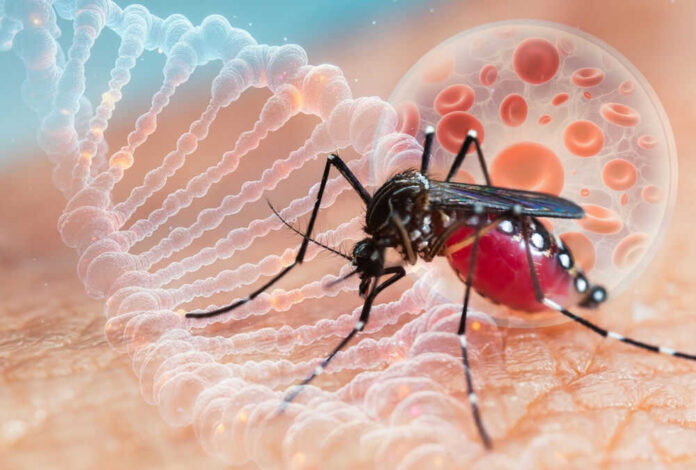
University of South Florida faculty and their startup, Digitomy, unveiled a smart mosquito trap designed to identify species tied to dengue transmission. The research team reports more than 98 percent accuracy in lab testing when the device classifies mosquitoes that matter most for dengue control. The trap draws mosquitoes with light or bait, pulls them in with a fan, and holds them on sticky pads while a camera and software tag the species. The key promise is speed and precision at the edge.
Florida’s 2026 dengue surge set the stage for faster tools. Local reports cite hundreds of locally acquired cases and multiple affected counties, with Tampa Bay carrying much of the load. State and county teams need to know which mosquitoes are where, right now, to guide spraying and community action. A near-real-time species map beats a weekly guess, especially when hot spots shift block to block.
How the trap works and why species ID matters
The device does two jobs at once: it catches mosquitoes and identifies the species. That matters because dengue mostly spreads through Aedes aegypti, which feeds during the day and thrives around homes. Teams waste time and money if they treat the wrong places or the wrong species. A trap that flags Aedes aegypti fast lets crews rank neighborhoods, plan the right control method, and time it with peak activity. That is basic, boots-on-the-ground common sense.
The system’s core is a small camera and a trained model that runs on the device. Images from the sticky card get classified, and the data can feed a dashboard for vector control. This design aims to shrink the gap between capture and response from days to hours. Crews can swap cards, view counts, and adjust routes. Better input should drive better output—if the field performance matches the lab claim.
From lab accuracy to street results
The team plans to validate in the field with Hillsborough County as the next step. That is where many new ideas fall short: the lab is neat, but the field is messy. Wind, rain, mixed species, and clutter can stress even good tools. The question now is not whether the trap can identify a species in a controlled test; it is whether it will hold accuracy, uptime, and value across many blocks, weeks, and crews. That is the jump from promise to practice.
Public health programs also need evidence that faster species data changes outcomes. Reviews of dengue control show strong results for community action and basic environmental fixes, while the overall evidence base for many tools remains uneven. High-quality trials are rare, and many studies carry bias risks. That does not argue against innovation. It argues for tight pilots that track both mosquito metrics and human illness trends.
Where this fits in Florida’s 2026 response
County health teams juggle spraying schedules, door-to-door education, and cleanup drives in hard-hit areas. Better surveillance could help rank priorities and measure impact week by week. A precise species signal can guide where to remove standing water, where to screen doors and windows, and when to rotate larvicides. Reviews suggest environmental control and household protections cut risk when used well. Smarter traps could amplify those basics by targeting the right blocks first.
Florida Is Facing Its Worst Dengue Outbreak in Decades, With at Least 524 Locally Acquired Cases. Here’s What to Know https://t.co/x7T80SAIZ5
— Stephen Baruch (@bcpexpert) November 17, 2026
Taxpayers want results that justify cost. A practical rollout should start small, compare treated and untreated areas, and show faster drops in Aedes aegypti counts and fewer dengue cases. Leaders should demand clear dashboards and open metrics. If the trap speeds decisions and trims waste, keep scaling. If not, fix it or move on. That is responsible governance: back tools that deliver, measure what matters, and stay focused on protecting families and neighborhoods.
Sources:
foxnews.com, usf.edu, wusf.org