

A single blast at a major Texas refinery shows how fragile America’s energy lifeline becomes when war abroad and hazards at home collide.
Quick Take
- An explosion and fire at Valero’s Port Arthur refinery sent thick black smoke over the area, prompting a shelter-in-place order on March 23.
- Officials reported no injuries among roughly 770 workers on site, while fire and hazmat teams responded and air monitoring began.
- Authorities closed State Highways 82 and 87 as a precaution, and residents in specified nearby areas were told to remain indoors.
- Early information pointed to an industrial heater as a likely trigger, but the cause and any environmental impacts remained under review.
- The incident highlights the practical stakes of energy security as Americans weigh overseas conflict costs against domestic stability.
Explosion Triggers Shelter Order Near a Critical Gulf Coast Energy Hub
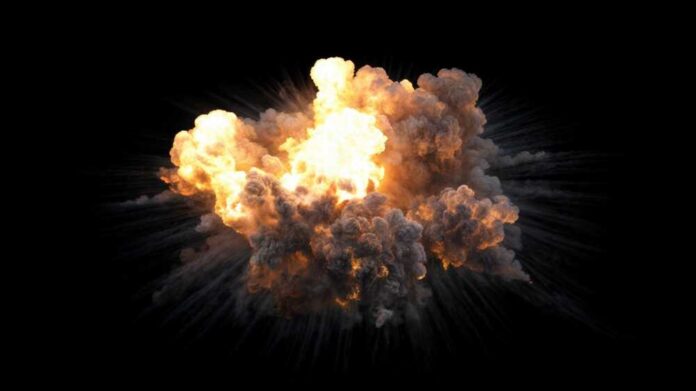
Port Arthur officials reported a loud explosion around 7:22 p.m. on March 23 at Valero’s Port Arthur refinery, followed by flames and thick black smoke that residents said shook nearby homes.
City authorities issued a shelter-in-place order covering areas including Stillwell Boulevard West to south of Highway 73, plus Sabine Pass and Pleasure Island. Emergency response teams, including fire crews and hazmat units, moved in as air monitoring started.
No injuries reported after large explosion at Valero refinery in Texas on Monday pic.twitter.com/Ye5Z8PHaco
— Dallas Texas TV (@DallasTexasTV) March 24, 2026
Texas transportation and local authorities closed State Highways 82 and 87 as a precaution while responders worked the scene. Port Arthur Mayor Charlotte Moses said late that night that no one was hurt and firefighters were already on-site, urging residents to follow official guidance until conditions improved.
Early reporting did not confirm hazardous releases, and officials stressed that air-quality checks would drive decisions on lifting shelter orders.
Valero Confirms Fire in One Unit; All Personnel Accounted For
Valero said the next morning that a fire was burning in a unit at the refinery and that all personnel had been accounted for. The company emphasized worker safety and said it was coordinating with local authorities as response operations continued.
The Texas Commission on Environmental Quality deployed monitoring resources through incident command, reflecting standard procedure after major industrial fires when smoke and unknown byproducts could threaten public health.
The Port Arthur refinery’s scale raises the stakes for any disruption. The facility processes about 435,000 barrels per day, making it a major node in Gulf Coast refining and fuels logistics.
In a market already sensitive to uncertainty, even isolated incidents can tighten supply if repairs linger or operations pause longer than expected. Early market reaction showed Valero shares dipping about 1.03% to $237.39 in the immediate reporting window.
Preliminary Cause Mentions an Industrial Heater, With Key Details Still Unconfirmed
Jefferson County Sheriff Zena Stephens indicated an industrial heater as the likely trigger, though early cause assessments can change as investigators narrow down what failed and why. Reports did not specify which processing unit was affected or how long firefighting and inspections might take.
Those unknowns matter because the public and nearby communities need clear information on risks, while workers and contractors need a transparent timeline for safe restart.
Energy Security Meets Public Trust as Americans Tire of Instability
Port Arthur’s situation underscores a reality many conservatives have hammered for years: the strength of the country depends on reliable infrastructure more than political slogans.
In 2026, with the U.S. engaged in war with Iran and voters openly debating the costs of foreign entanglements, domestic energy disruptions hit differently. High energy costs punish working families, small businesses, and retirees on fixed incomes—especially when supply anxiety stacks onto broader national uncertainty.
What Residents Should Watch Next: Alerts, Air Results, and Reopening Decisions
Officials tied the shelter-in-place guidance to smoke conditions and air-quality monitoring, meaning the most important updates will come from local emergency management and environmental readings.
Residents should track when highways reopen, when shelter orders lift, and whether any follow-up health advisories are issued. Based on available reporting, there were no injuries and no confirmed hazardous release as of the latest updates, but the investigation and monitoring were still ongoing.
Texas oil refinery explosion sends smoke into air, residents advised to shelter in place https://t.co/vroOXDV4jj #FoxBusiness
— Jamiel Pridgen (@JamielPridgen) March 24, 2026
For a public already frustrated by years of mismanagement—overspending, inflation shocks, and policies that often seemed disconnected from daily life—the practical takeaway is straightforward: energy resilience is national security.
Whether the pressure comes from overseas conflict or a sudden industrial accident at home, Americans end up paying when systems fail. The clearest near-term measure of progress will be verified air results, a completed cause review, and a safe return to normal operations.
Sources:
Texas oil refinery explosion sends smoke into air, residents advised to shelter in place