

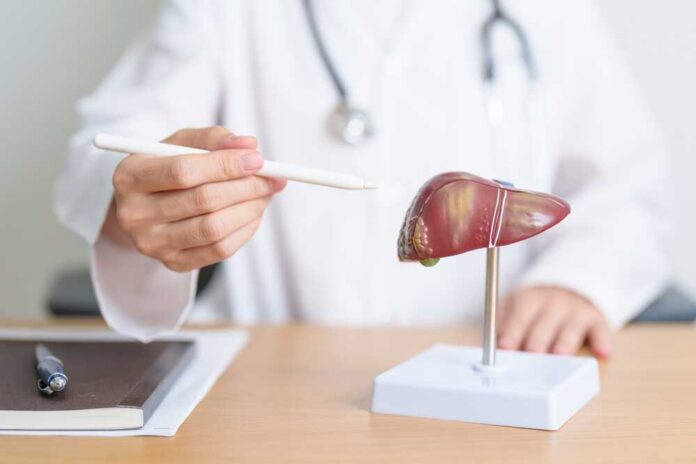
Preclinical research reveals cannabis-derived compounds may reverse a devastating liver condition plaguing one-third of American adults, offering hope where Big Pharma has failed to deliver solutions for decades.
Story Highlights
- Cannabis compounds CBD and CBG show potential to reverse nonalcoholic fatty liver disease in preliminary studies
- NAFLD affects approximately one-third of adults worldwide, with no FDA-approved pharmaceutical treatments available
- Research focuses on isolated cannabinoids rather than whole-plant cannabis for standardized medical applications
- Findings remain in preclinical stages, requiring human clinical trials before medical recommendations
Promising Breakthrough for Widespread Metabolic Crisis
Nonalcoholic fatty liver disease affects 25-30% of adults globally, with projections indicating one billion people could suffer from this condition by 2030. The disease stems from excess fat accumulation in the liver unrelated to alcohol consumption, driven primarily by obesity, diabetes, and metabolic syndrome.
Without intervention, NAFLD progresses to fibrosis, cirrhosis, or liver cancer. Despite its prevalence, the pharmaceutical industry has produced zero approved disease-modifying drugs, leaving patients with only lifestyle modification recommendations. This research gap represents a massive failure of conventional medicine to address a growing public health crisis.
Compounds found in cannabis could provide a new roadmap for treating the world’s most common chronic liver disorder, according to a study released by the Hebrew University of Jerusalem. https://t.co/lK3IWNoEYO
— FOX6 News (@fox6now) March 10, 2026
Cannabinoid Compounds Target Root Pathology
Recent preclinical studies identify specific cannabis-derived cannabinoids, particularly CBD and CBG, that may reverse hepatic steatosis and inflammation characteristic of NAFLD. Dr. Caplan from CED Clinic routinely discusses cannabis use with NAFLD patients, citing the promising research literature and limited conventional treatment options.
The research emphasizes isolated active compounds rather than whole-plant cannabis, enabling standardized pharmaceutical development and precise dosing protocols. This approach addresses conservative concerns about recreational marijuana use while pursuing legitimate medical applications through rigorous scientific channels.
The endocannabinoid system’s CB1 and CB2 receptors play crucial roles in liver fat regulation, providing biological plausibility for therapeutic intervention.
Regulatory Environment Enables Medical Innovation
Cannabis research accelerated following the 2018 Farm Bill’s legalization of hemp-derived CBD, removing bureaucratic barriers that previously strangled medical investigation. The FDA’s 2018 approval of Epidiolex demonstrated regulatory willingness to embrace cannabinoid therapeutics when supported by rigorous clinical evidence.
These regulatory shifts represent common-sense policy adjustments that empower researchers to explore promising treatment avenues without government interference.
The easing of Schedule I restrictions acknowledges the distinction between recreational abuse and legitimate medical research, a position conservatives have long advocated when supporting patient rights and medical freedom. This evolving framework contrasts sharply with previous administration policies that prioritized ideology over science.
Clinical Translation Requires Rigorous Validation
Despite encouraging preclinical findings, experts universally emphasize the preliminary nature of current evidence. No human clinical trials for NAFLD-specific cannabinoid treatments have been confirmed as of March 2026. Translation from laboratory models to human patients frequently fails due to bioavailability issues, drug interactions, and heterogeneity in patient responses.
Concerns about potential hepatotoxicity require careful monitoring, given that liver disease patients represent a vulnerable population. Responsible medical professionals recognize these limitations while monitoring research developments.
The emphasis on isolated cannabinoids for pharmaceutical development rather than recommending whole-plant cannabis aligns with conservative principles of evidence-based medicine and patient safety.
Cannabis compounds could reverse disease affecting one-third of adults https://t.co/UxUFPj2X9V pic.twitter.com/m3CcA47npo
— New York Post (@nypost) March 10, 2026
Broader 2026 cannabinoid research demonstrates consistent anti-inflammatory effects through cytokine reduction and oxidative stress mitigation, providing supporting evidence for NAFLD applications. Economic implications include potential pharmaceutical market expansion beyond current pain and cancer applications, creating American jobs and innovation opportunities.
Patient advocacy groups increasingly demand alternatives to the lifestyle-modification-only approach that has proven insufficient for millions struggling with metabolic disease. This research trajectory exemplifies how reducing government overreach in medical research enables scientific progress that benefits ordinary Americans facing real health challenges without effective treatment options.
Sources:
Cannabis compounds could reverse disease affecting one-third of adults – CED Clinic
New Advances in Medical Marijuana Research: 2026 Update – CompCareMD
Two compounds sourced from cannabis show promising anti-cancer effects – News Medical
Cannabis compounds show anti-cancer effects – ScienceDaily
Cannabis Compounds Show Promise in Fighting Fatty Liver Disease – TPS-IL