

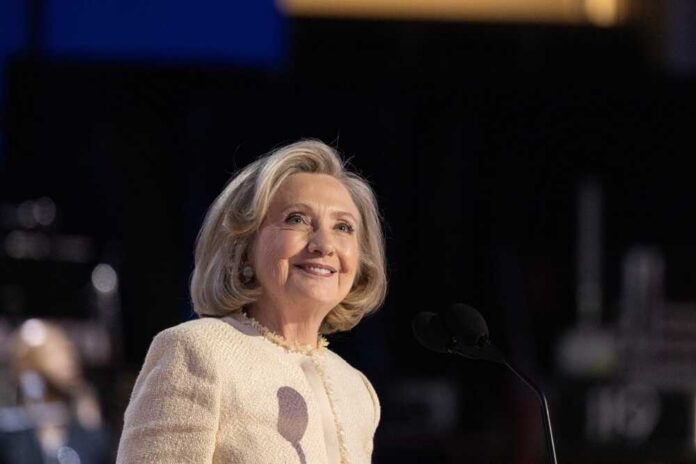
Hillary Clinton and Kara Swisher launched “High Stakes” as a timed, weekly podcast to shape the run-up to the 2026 midterm elections.
Story Snapshot
- “High Stakes” premiered October 14, 2026, as a limited weekly series through mid-November.
- Clinton and Swisher co-host; Vox Media produces and distributes via Swisher’s existing podcast feed.
- Topics include cost of living, healthcare, technology, artificial intelligence, and key races.
- The New York Times reported a shared advertising model among the hosts and Vox Media.
A timed launch built for the midterm calendar
Hillary Clinton and technology journalist Kara Swisher debuted “High Stakes” on October 14, 2026, with a clear purpose: focus voters on the midterms through election week. Outlets reported a weekly cadence through mid-November, landing new episodes each Wednesday during the sprint to Election Day. The title signals urgency, and the clock-driven schedule locks the show to the news cycle. That format pushes timely conversations on races where control of Congress hinges on thin margins.
Clinton promoted the series by pointing directly to the ballot map, noting all House seats, 35 Senate seats, and 36 governorships on the line, and framing the show as a vehicle to “dig into the issues that matter most” before voting. The message places bread-and-butter costs and healthcare alongside technology and artificial intelligence. That blend reflects a campaign reality: people judge leaders on both grocery bills and how they handle fast-moving tech shifts that shape jobs, speech, and security.
A production strategy that borrows an existing audience
The show runs inside Swisher’s “On with Kara Swisher” feed, which gives it instant reach and platform placement. Apple Podcasts lists “High Stakes” as a limited series within that feed, not a stand-alone brand. That choice trims launch friction and taps an audience used to hard-edged interviews on power and tech. Vox Media produces and distributes the program, aligning with Swisher’s established pipeline and ad operations that already serve her core show.
The New York Times reported that Clinton, Swisher, and Vox Media would share advertising revenue. That model is standard in news podcasting, where ads and sponsorships drive most revenue. The format rewards time-on-feed and consistent release schedules. A weekly drop through the election window matches that incentive and ensures recurring advertiser slots as listeners tune in for timely analysis.
Issues on the mic: affordability, care, and the tech squeeze
Coverage previewed a docket crowded with cost of living, healthcare, artificial intelligence, and race-by-race stakes. Expect riffs on gas and groceries alongside election spending and the fight for suburban and youth turnout. Clinton’s brand brings national-security and policy framing. Swisher brings cross-examination on data, platforms, and industry power. Together, they can press guests on how ideas translate into bills paid, hospital access, and local jobs shaped by software and automation.
#BREAKING: Former U.S. Secretary of State Hillary Clinton and journalist Kara Swisher are set to launch a new podcast spanning the midterm election cycle.
— The World Eye (@TheWorldEye_) October 14, 2026
Research on modern media habits shows why a pre-election podcast can matter. Long-form shows create room for stories and perceived authenticity, which can deepen attention without the rigid limits of a three-minute cable hit. That intimacy can boost interest and participation, even if it seldom flips a committed voter. The format speaks to identity and trust, not only party lines, which makes it a potent, if subtle, campaign-season tool.
The conservative lens: scrutiny, balance, and real-world tests
Conservative readers will demand more than slogans about affordability. They will expect specifics on energy policy, border security, school choice, and how to restrain federal spending without squeezing families. They will also look for fair debate. If the show claims to explore “the issues that matter most,” it should include forceful opposing views and push guests to defend numbers and trade-offs. That is healthy for the country and aligns with common-sense accountability.
Listeners should track three tests. First, clarity: do episodes separate facts from spin, with numbers tied to real budgets and household bills? Second, balance: do guests and questions reflect competing ideas on taxes, policing, parental rights, and the role of big tech? Third, practicality: do proposals survive contact with how states actually run schools, permit energy projects, and secure elections? A midterms podcast earns trust when it meets those checks in plain, verifiable terms.
What to watch next
Expect the show to zero in on a few marquee Senate and governor races where turnout swings outcomes. Watch how often it pairs policy talk with local voices who feel the hit from prices, healthcare costs, and crime trends. Note whether artificial intelligence discussions move beyond hype to election integrity, fraud detection, and job training. Also watch the cadence: a Wednesday drop sets the table for weekend canvassing and Monday ad buys, which makes timing part of the strategy.
One caveat belongs here: early reporting focused on the launch plan and format, not on audience size or voter impact. That data comes later, if at all. For now, “High Stakes” is a high-profile bet on a simple idea: longer conversations can shape how people think in the final stretch of a campaign. The next weeks will show whether that bet changes what voters talk about on the way to the polls.
Sources:
nytimes.com, hollywoodreporter.com, thehill.com, variety.com, washingtonexaminer.com, washingtonpost.com, podcasts.apple.com, badgerherald.com, reutersinstitute.politics.ox.ac.uk