
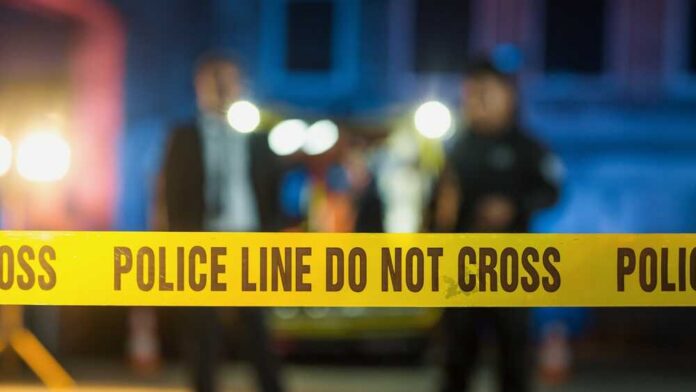
Two young men died and more than thirty people were hurt when a mass shooting ripped through a homecoming block party in Vienna, Georgia, just after 1 a.m.
Story Snapshot
- Deputies on patrol heard shots at about 1:25 a.m. near Pine Street.
- Two men were pronounced dead; dozens more suffered gunshot wounds or injuries while fleeing.
- State investigators took over the case as the scene stretched across multiple blocks.
- Crowd size and chaos multiplied the harm, a pattern seen at large homecoming events.
What Happened On Pine Street
Georgia Bureau of Investigation officials said deputies from the Dooly County Sheriff’s Office were already on patrol at a neighborhood block party when shots rang out around 1:25 a.m. in the 900 block of Pine Street. Deputies rushed toward the gunfire and found multiple victims. Two people died at the scene. Dozens more were wounded and taken for treatment across the region. State agents opened a homicide investigation and began processing a sprawling, crowded scene.
Reporters and local outlets put the injury count near thirty-five. That figure includes gunshot wounds and trauma from people trying to escape. The crowd size and the hour made the response harder and the toll higher. First responders worked through overlapping 911 calls, frantic relatives, and blocked streets. Officials warned that early numbers can shift as hospitals update records and some victims self-transport.
Scale, Speed, And Why So Many Were Hurt
Large, open gatherings create a fast path from one trigger pull to many casualties. People stand shoulder to shoulder. Panic sends the crowd in waves, which causes trampling, crashes, and more injuries. Investigators have seen the same mix at other homecoming-tied events in recent years. A single dispute, or two shooters, can injure dozens when visibility is low and exits bottleneck. That is not theory; it is a repeat pattern that police and campus leaders have battled nationwide.
Homecoming weekends add more risk. Parties sprawl across blocks. Music and traffic drown out warning signs. Some events have no access control, bag checks, or lighting plans. When shots fire, witnesses scatter and often refuse to talk. That slows arrests and leaves families angry and afraid. Communities pay a long-term cost. Foot traffic dips near the scene, and small businesses feel it for weeks after the sirens fade.
Law Enforcement Priorities And Community Duty
State investigators will hunt guns, shell casings, video, and the social ties behind the shooting. That is the job, and they should do it hard. But safety at scale starts before the first shot. Local leaders and event hosts need basic controls for big crowds. Common sense says light the area, limit access points, and plan for exits. Place marked officers where they can see and be seen. These are not “nice to have” ideas; they are the bare minimum for public safety.
MASS SHOOTING: Law enforcement officials are still working to determine just what happened when a chaotic homecoming party spanning a four-block radius of a southern Georgia town erupted in gunfire early Sunday, leaving two people dead and nearly three dozen others injured.…
— WPLG Local 10 News (@WPLGLocal10) October 5, 2026
American conservative values point to shared responsibility and consequences. Parents, pastors, and coaches know the kids who are drifting. Step in early. Hosts who profit from large parties must meet standards or shut it down. Prosecutors should charge straw buyers and violent offenders fast, and courts should keep repeat shooters off the street. Clear rules, steady policing, and tough, fair sentences save lives without punishing the law-abiding.
How Communities Can Tighten The Net
Real fixes do not require new slogans. They need muscle memory. Set curfews for street parties without permits. Use mobile cameras and license plate readers in known hot zones during homecoming. Stage medical teams one block off the crowd to cut response time. Map traffic so ambulances are not trapped. Push out a public tip line and reward clips from doorbell cameras. These steps will not end evil, but they will blunt it when seconds count.
Neighbors also shape the outcome. People who saw the shooting, or filmed the crowd, should share what they know. Silence protects no one but the next shooter. Churches and schools can hold calm-down spaces the next day. That helps witnesses come forward. Businesses can reopen with visible security and discounts to pull foot traffic back. The message should be simple and firm: the street belongs to families and workers, not to gunmen.
Sources:
abcnews.com, yourvalley.net, apnews.com, audacy.com, themirror.com, triblive.com, arxiv.org, cbsnews.com