

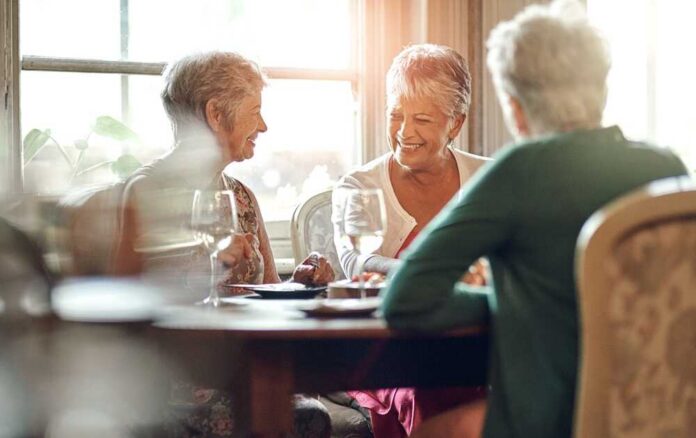
Dancing does what treadmills promise but rarely deliver: it lifts strength, balance, mood, and stamina at the same time—and older bodies respond faster than you think.
Story Snapshot
- Dance training in older adults improves strength, endurance, balance, and functional fitness in most trials [2].
- A separate review links dancing to better aerobic power, flexibility, agility, and gait—pillars of independence [3].
- Evidence is strongest for functional gains, not long-term disease outcomes; that still matters for fall risk and daily living [2].
- Low barrier to entry and built-in social connection make dance unusually “sticky” compared with standard exercise programs [1].
What the best evidence actually shows about older bodies and rhythm
A systematic review of dance programs for older adults reported improvements in muscular strength, endurance, balance, and other measures of functional fitness across nearly all included studies [2].
A complementary review found significant gains in aerobic power, lower-body muscle endurance, strength, flexibility, balance, agility, and gait among healthy older adults who dance [3].
These outcomes are not abstract lab metrics; they map directly to everyday capacities such as rising from a chair, navigating uneven sidewalks, and recovering from a trip before it becomes a fall.
You should be dancing, yeah. Moving to music offers all kinds of benefits as you age https://t.co/ZS10aiHl5v
— Local 4 WDIV Detroit (@Local4News) May 26, 2026
Meta-level claims about dance sometimes leap to promises about longevity or disease prevention. The core research here emphasizes intermediate outcomes—functional capacity, balance, and aerobic fitness—rather than hard endpoints like mortality or dementia incidence [2]. That distinction matters for honest health communication.
It also aligns with what clinicians observe: stronger legs, better balance, and improved gait mechanics usually precede fewer falls, more walking, and longer independent living. Functional wins are not consolation prizes; they are the currency of aging well.
Why dance works when other exercise programs fizzle out
Dance stacks three elements that older adults rarely get in one place: purposeful movement, real-time brain engagement, and social connection. The cognitive load of coordinating steps to music recruits attention and memory while the body works through ranges of motion that challenge flexibility and joint control [1].
The social component—laughing at a missed step, syncing with a partner—keeps people coming back. Adherence drives results; even excellent strength programs fail if attendance craters, while dance classes tend to retain participation longer [1].
Style does not seem to be the decisive variable. The review noting benefits “regardless of style” suggests that salsa, ballroom, line dance, folk dance, and even adapted chair-based formats can deliver gains in strength and balance when sessions are regular and sufficiently challenging [2].
That flexibility allows instructors to scale intensity, adjust complexity, and protect joints without dulling the experience. Put simply: the best dance for older adults is the one they will actually do next week—and the week after.
Reading claims with a skeptic’s eye and a pragmatic plan
Some outlets tout dramatic reductions in cardiovascular risk from dancing, but those claims often rely on observational associations or secondary sources that conflate dance with broader physical activity patterns.
The review-grade evidence in this packet supports robust functional improvements, not definitive shifts in body composition or disease endpoints [2].
This takeaway is appropriate: use dance as a proven engine for balance, gait, and stamina; treat any promised cure for disease as marketing until trial data confirm it.
Medical professionals say that dancing is a great way for older adults to stay healthy as they age because it engages the brain and the body. https://t.co/YfQD0PHfQp
— NBC 7 San Diego (@nbcsandiego) May 26, 2026
Starting well beats starting hard. Two sessions per week of 45–60 minutes, with a warm-up, a progressively challenging main set, and a cool-down, will capture most of the benefits reported in the reviews [2][3].
Prioritize classes that cue multi-directional steps, single-leg balance, and tempo changes. For knee or back concerns, choose soft floors, shorter stride patterns, and slower turns.
Measure progress like an adult: fewer stumbles on curb cuts, easier stair climbs, quicker chair rises. Those are the wins that extend freedom.
Sources:
[1] Web – The Joy of Movement: Unpacking the Benefits of Dancing for Seniors
[2] Web – The Effectiveness of Dance Interventions to Improve Older Adults …
[3] Web – Physical benefits of dancing for healthy older adults: a review