
Five people were shot outside Virginia State University dorms before dawn, and police say they later found a 19-year-old suspect hiding in a campus closet.
Story Snapshot
- Police say five people were shot near residence halls around 1:28 a.m..
- Officers arrested a 19-year-old in connection with the shooting later that day.
- Virginia State University locked down the campus, then lifted the order once the area was secure.
- One victim was in critical condition as the investigation began.
What Police Say Happened Outside The Dorms
Chesterfield County Police said officers responded at about 1:28 a.m. to reports of gunfire outside Virginia State University residence halls and found five people with gunshot wounds. One person was listed in critical condition.
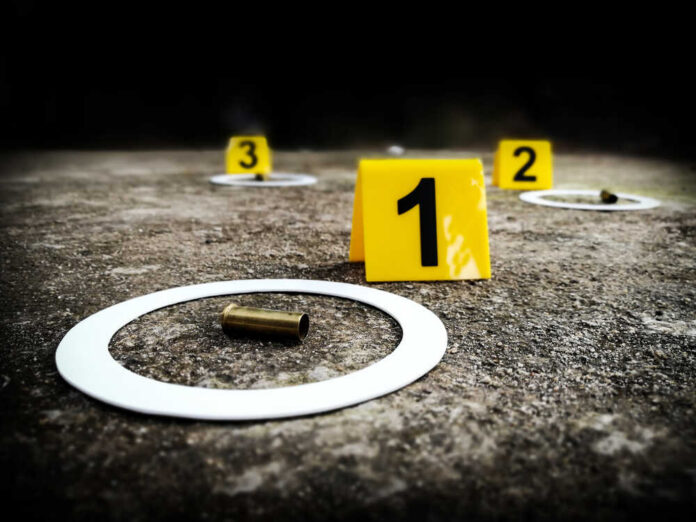
The scene stretched along student housing near Boisseau Street. The timing hit hours after freshmen welcome events on campus, which brought large crowds the prior evening. The department said detectives began collecting video, shell casings, and witness statements right away to map the path of the shooters.
CORNERED AND CAUGHT: Police arrest 19-year-old Camron Harris in connection with Saturday’s mass shooting at Virginia State University that left five people wounded, including one critically.
Police say the hours-long manhunt ended after they found Harris, who is not a VSU… pic.twitter.com/KkLXYTPpkx
— Fox News (@FoxNews) August 16, 2026
Virginia State University issued a shelter-in-place order while officers searched for suspects and secured the area. The lockdown later lifted as police expanded the perimeter and cleared the immediate danger zone.
Early reports from officials said multiple suspects may be involved, a common feature of fast-moving campus cases where 911 calls and social posts surge at once. Police urged students and parents to follow only official updates while the crime scene was active.
The Arrest And What Investigators Are Building
Police later arrested a 19-year-old in connection with the case and said he was found hiding in a campus dorm closet after the search stretched through the day. Authorities identified the man as not enrolled at the university.
Charging documents referenced offenses tied to the gunfire that wounded five people, including severe injury to at least one victim. A local outlet reported that prosecutors prepared malicious wounding counts as the first step while detectives worked to confirm who fired which shots.
Campus video, cell phone records, and social media messages often shape these cases in the first 72 hours. Investigators look for who carried guns, who fired, who drove, and who helped after the fact.
Courts treat help after a felony—like hiding a suspect or warning them about police—as a separate crime called being an accessory after the fact, which means helping a felon avoid arrest or punishment with knowledge of the crime. That standard can reach friends, drivers, and hosts who act after the shooting.
Lockdowns, Rumors, And Why Early Words Matter
University lockdowns create stress and confusion by design. They freeze movement to keep people safe while police sort facts from noise. Research on campus lockdowns shows that when official updates pause, rumors rise, and claims about “more shooters” spread fast on social media. That matches the pattern here.
Officials used “multiple suspects” language early, then narrowed focus as evidence came in and one person was taken into custody. Clear, steady updates help stop panic—and help police get better tips.
A Virginia State University student faces a misdemeanor charge after police say she helped a suspect wanted in a shooting that injured five people. https://t.co/3ef6OgcgNR
— WFMY News 2 (@WFMY) August 20, 2026
Parents want swift answers; students want freedom to move; police want time to build a clean case. The balance is hard.
The better path is simple: locked doors, quiet halls, and direct updates that tell people what to do and when it is safe to resume normal life. That is not feel-good talk. It is how you cut bad leads, protect victims, and get dangerous people into handcuffs faster.
Accountability And The Road Ahead
Chesterfield County Police and university leaders now face the long work of recovery. Victims need care, witnesses need support, and the campus needs a security check that fits what the evidence shows.
Expect more arrests if proof shows drivers, lookouts, or anyone who helped the shooter after the crime. Federal and state law both define help after a felony as a chargeable offense when the helper knows the crime happened and aims to block arrest or punishment. That is common sense accountability.
Prosecutors will line up ballistics, video timelines, and phone data to sort roles, charges, and likely plea paths. The community will ask for stronger lighting, more cameras, and clearer late-night event rules.
Those steps are not politics; they are prevention. The principle is basic: set firm rules, enforce them, and back the police who do the hard work. That is how a shaken campus regains order, and how five wounded students become the last five hurt this year.
Sources:
wavy.com, cnn.com, abcnews.com, wtvr.com, bbc.com, cbsnews.com, youtube.com