
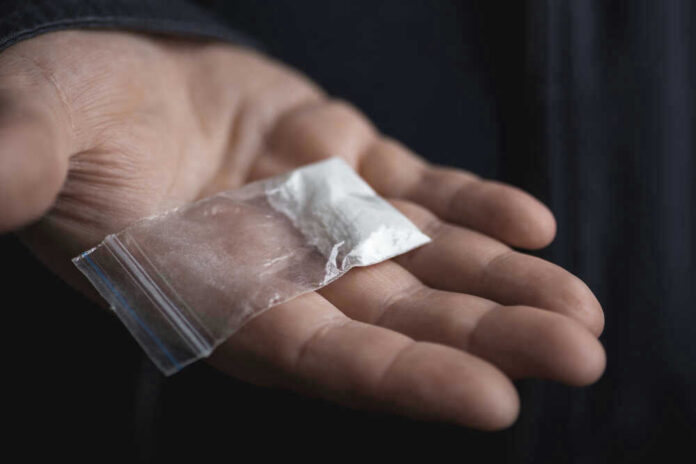
Fourteen people now face criminal charges after Pennsylvania prosecutors say two Penn State fraternities ran a cocaine pipeline that stretched from Philadelphia and New York straight into student housing.
Quick Take
- Pennsylvania Attorney General Dave Sunday charged 14 people, including 13 current or former Penn State students, in a cocaine trafficking case tied to two fraternities.
- Investigators say Delta Upsilon and Sigma Chi members brought in large amounts of cocaine and cut and packaged it for sale, mostly to other students.
- Prosecutors allege pledges were forced to help package the drugs as part of fraternity initiation.
- The charges arrived about a week before the 2026-27 school year started, as Penn State already faced separate hazing investigations into Greek life.
What Prosecutors Say Happened
Attorney General Dave Sunday announced the charges alongside State College Police and the 54th Statewide Investigating Grand Jury. He said the operation centered on 13 current or former Penn State students and one student’s father, all accused of roles in a cocaine trafficking ring built around two fraternity houses.
Investigators say members of Delta Upsilon and Sigma Chi brought in large amounts of cocaine from Philadelphia and New York. Once the drugs arrived, the grand jury found that members cut and packaged the cocaine inside the off-campus fraternity houses before selling it, mostly to other Penn State students.
13 Penn State frat bros busted in cocaine trafficking ring-including LI student at 'top of the food chain' https://t.co/NHYGRE1SHw pic.twitter.com/beiQCMOClg
— New York Post (@nypost) August 18, 2026
What stands out most is who allegedly did the packaging. Sunday said pledges at Sigma Chi were made to cut and bag cocaine as part of getting into the fraternity, describing it as a form of indoctrination built into the initiation process.
How the Investigation Unraveled
The case reportedly traces back to a confidential informant who bought cocaine at the Delta Upsilon fraternity house six separate times between September and December of 2024. That informant’s buys led investigators to Tyler Robinson, a Penn State student one witness described as the largest cocaine distributor at the school.
Robinson’s arrest opened the door to the wider network. Investigators also identified Agostino Abbatiello of Westbury, New York, and Thomas Michael Robinson as key figures tied to the supply side of the operation, according to authorities.
Thomas Michael Robinson, a Pittsburgh-area man, was separately accused of running drug sales, including meth, heroin, and fentanyl, out of the Delta Upsilon house on Locust Street.
Court records described in local reporting say Robinson faced nearly 30 charges on his own, including multiple felony counts for possession with intent to deliver.
Over a three-month stretch, confidential informants reportedly purchased cocaine from him directly at the fraternity house, giving investigators the evidence trail that helped build the larger case.
Timing and the Bigger Picture on Campus
The announcement landed just about a week before Penn State’s fall semester began, adding pressure to a Greek life system already under scrutiny.
Reporting around the same period noted that several Penn State fraternities and sororities were facing investigations from both the attorney general’s office and the university itself heading into the new school year.
This case follows a pattern seen at other large universities, where campus drug cases get built as organized distribution networks rather than simple possession charges.
A 2020 federal investigation near the University of North Carolina at Chapel Hill charged 21 people connected to fraternity houses accused of moving large quantities of drugs across state lines, showing prosecutors nationally have leaned on informants and controlled buys to unravel similar operations.
Thirteen former or current Penn State University students were criminally charged Monday on allegations they participated in a cocaine-trafficking ring that involved two fraternities, authorities said.
Read more: https://t.co/gX7nPkiDMs
— ABC News (@ABC) August 18, 2026
Every person named in the Penn State case faces an allegation, not a conviction, and the charges will now move through the courts.
What is already clear from the grand jury’s findings is troubling enough on its own: a drug pipeline allegedly running through fraternity houses, with new members reportedly pressured into handling the product as a condition of belonging.
That detail alone should worry any parent sending a kid to college this fall, regardless of how the individual cases are ultimately resolved.
Sources:
foxnews.com, pennlive.com, attorneygeneral.gov, youtube.com, psu.edu, wjactv.com, statecollege.com