
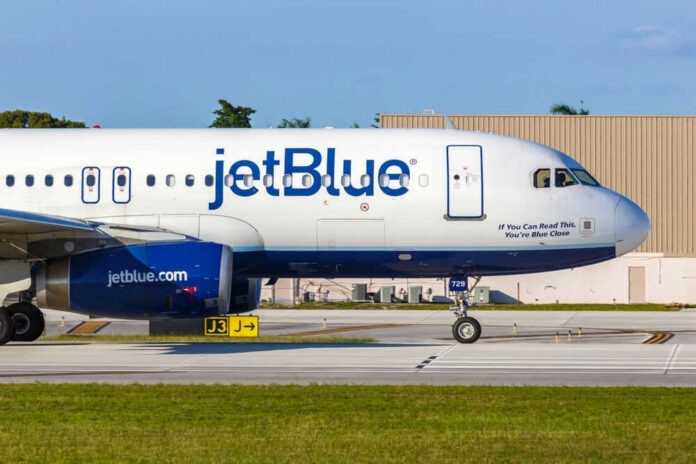
JetBlue just made checking a bag more expensive for the third time in roughly a year, and the airline says jet fuel is the reason.
Quick Take
- JetBlue raised checked bag fees again on November 3, 2026, pointing to rising fuel and operating costs.
- A first checked bag now costs $50 when bought early for a non-peak flight, up from $45
- Peak-season and same-day prices climbed as high as $70 for one checked bag
- JetBlue raised the same fee back in March 2026, citing the same cost pressures
- Customers with JetBlue credit cards or elite status still check bags for free
A Third Fee Hike in Under a Year
JetBlue told customers this week it is raising checked bag fees for the third time in about a year. The airline said in a statement reported by CNBC that it is “adjusting checked bag fees to help offset rising fuel and operating costs.” It is the latest sign that fuel prices are squeezing even a budget-friendly carrier’s bottom line.
The new numbers add up fast for travelers who pack heavy. A first checked bag bought more than 24 hours before a non-peak flight now runs $50, up from $45. During peak travel periods, that same bag jumps from $49 to $55. Wait until the day of your flight, and prices climb even higher, to $60 for non-peak travel and $70 during peak season.
Fuel Costs and a Pattern of Repeated Increases
This is not JetBlue’s first fee hike of 2026. Back in March, the airline raised its first-bag fee to at least $39 from $35, telling CBS News it was managing “rising operating costs” tied in part to fuel prices while trying to keep base ticket prices competitive. Other outlets describe November’s move as the second increase of this calendar year, which lines up with a third hike landing within the past twelve months once the earlier change is counted.
USA TODAY confirmed the same statement and the same reasoning behind the latest increase, quoting JetBlue’s email almost word for word: fuel and operating costs are driving the change. Skift reported the hike fits a broader pattern among airlines passing higher fuel costs on to passengers rather than raising base fares, which airlines tend to advertise heavily in marketing.
Who Pays More and Who Doesn’t
Not every JetBlue flyer feels this increase. Customers holding a co-branded JetBlue credit card or elite frequent-flyer status keep their free checked bag, according to CNBC’s reporting. That means the fee hike hits occasional flyers without loyalty perks the hardest, while JetBlue’s most frequent customers and cardholders are shielded.
NBC New York’s reporting on the broader fee surge noted jet fuel prices have climbed sharply this year, squeezing airline margins across the industry, not just at JetBlue. Baggage fees have become one of the most reliable ways airlines recover rising costs without touching the sticker price shoppers see first when comparing flights online.
JetBlue Raises Baggage Fees Again: Charges Reach Up to $70
US-based airline JetBlue Airways has increased its checked baggage fees for the second time in 2026, citing rising fuel and operating costs. Under the new pricing structure, which took effect on November 3, economy class… pic.twitter.com/bmFkG81fRE
— AirwayBuzz (@AirwayBuzz) November 4, 2026
Charging separately for checked bags is not new, but it has grown into a massive revenue stream since airlines began unbundling fares in the late 2000s. Industry-wide baggage fee revenue jumped from roughly $464 million in 2007 to $3.4 billion by 2010, a sevenfold increase that reshaped how airlines price tickets. JetBlue’s latest move continues that trend, betting travelers will accept higher bag fees rather than higher upfront fares.
Sources:
cnbc.com, cbsnews.com, thetravel.com, usatoday.com, skift.com, thepointsguy.com, nbcnewyork.com