
A sitting pope cast a United States ballot by mail, and the Vatican says it is routine for him.
Story Snapshot
- The Holy See said Pope Leo XIV submitted a mail ballot in Illinois as a U.S. citizen.
- County officials reported a request on October 3 and ballot dispatch on October 5.
- Major outlets reported the ballot was submitted before the November 3 midterms.
- This marks the first known time a pope voted in a U.S. general election.
The confirmed act: a mailed vote by a U.S. citizen who is also pope
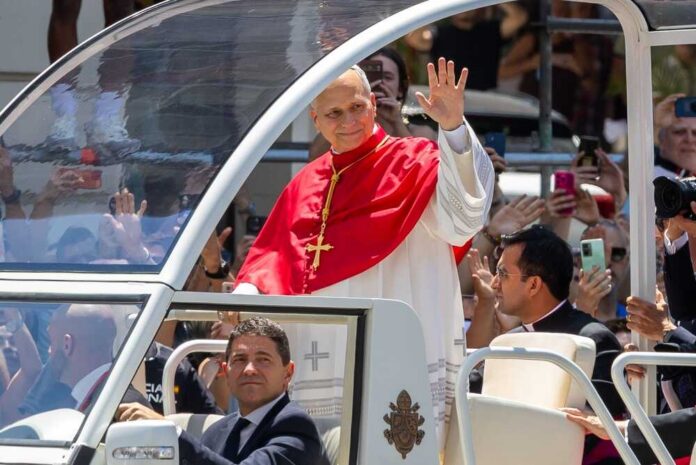
The Holy See Press Office stated that Pope Leo XIV, who is a United States citizen, submitted a mail-in ballot in the Illinois midterm election. The Vatican described the vote as an exercise of his civic right, adding that he has voted whenever eligible as a citizen. The statement emphasized he submitted the ballot “in Chicago,” placing the act within a standard absentee process rather than a special channel. That clear framing is why the story carries weight across faith and politics.
County-level details align with the Vatican’s account. A Will County official said a voter registered at a New Lenox address requested a mail ballot on October 3. Records show the county sent the ballot on October 5, fitting normal election timelines. The New York Times matched those dates in its report, which underscored that Pope Leo voted ahead of Election Day using a routine mail process in Illinois. That timeline matches how many Illinois voters participate by mail.
Why this is historic: first known U.S. vote by a pontiff
Major newsrooms treated the event as a first-in-history moment. The Associated Press reported that Pope Leo, previously known as Robert Prevost, cast a ballot in the United States midterms, marking the first known time a pope voted in a U.S. general election. Other outlets echoed that frame, noting the combination of roles at play: spiritual leader, head of state, and American citizen. The historical angle endures because popes rarely hold U.S. citizenship, much less vote in American elections.
The Vatican’s phrasing also matters for language precision. Reporters separated the act of requesting a ballot from submitting one. Outlets cited the Holy See’s confirmation that submission took place, not just a request. That distinction guards against common confusion during mail voting, where “requested,” “returned,” “received,” and “counted” each describe a different stage. This reporting settled on the stage that had occurred: a ballot was submitted before Election Day.
What the law allows and how the process works
Illinois law allows eligible voters to vote by mail without an excuse. Citizens request a ballot, election staff verify eligibility, and the office mails the ballot. Voters then return it by mail or drop-off under state rules. Local officials verify signatures and timeliness before acceptance. Research on mail voting shows procedures matter, from signature checks to return deadlines. Mail ballots can be rejected for lateness or signature issues, which is why clear instructions and early returns help.
Pope Leo XIV has cast a mail-in ballot in the U.S. midterms from Chicago. The Vatican says the first American pope believes voting is both a right and a duty. He hasn’t said who he voted for. #PopeLeo #MidtermElections #USPolitics #Voting #Vatican pic.twitter.com/MvDcg6RybT
— Hena Doba (@HenaDoba) November 1, 2026
Studies also show how clear processes shape public trust. Allowing pre-processing of mail ballots reduces confusion and rumors that often spike while votes await counting. Election officials who share step-by-step guidance tend to blunt misinformation. That pattern played out nationwide after 2020 and remains relevant now. Voters across parties reported high confidence when they used mail ballots themselves and saw safeguards up close, a reminder that transparency beats slogans.
What this moment signals for faith, politics, and common sense
The core fact is plain: an American citizen who is also the pope voted by mail in an Illinois election. That alone does not tilt a race, set policy, or break tradition in United States law. It does show that civic duty crosses job titles. From a conservative view, the principle is simple: citizenship carries both rights and responsibilities, and voting within the law is one of them. Respect the process, follow the rules, and expect the same from every voter, famous or not.
Sources:
youtube.com, vaticannews.va, inquirer.com, cnn.com, abc11.com, americamagazine.org, bbc.com, thecatholicherald.com, vrp.ucla.edu, karshinstitute.virginia.edu