

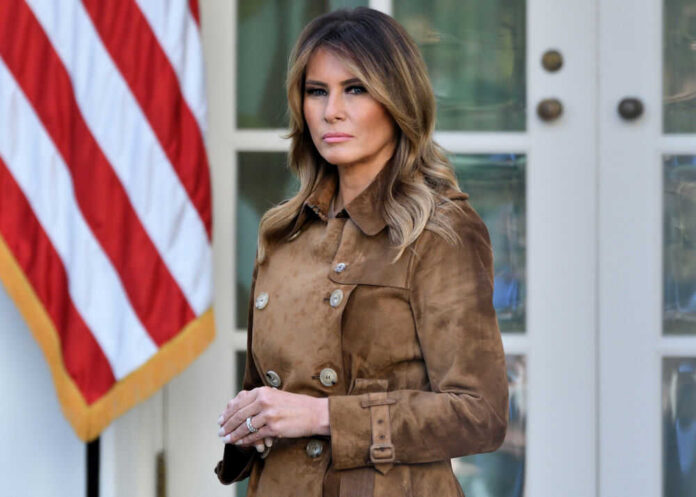
Russia has agreed to sit down with Ukraine and the United States in Abu Dhabi next week, and First Lady Melania Trump is stepping into the middle of it as host of a related White House meeting.
Quick Take
- Kremlin spokesman Dmitry Peskov confirmed Russia will join trilateral talks in Abu Dhabi on November 10 and 11.
- Vladimir Medinsky will lead Russia’s delegation, with U.S. envoy Steve Witkoff involved in mediation.
- Melania Trump helped broker a six-day ceasefire in Oleshky, Ukraine, that ended November 1.
- Ukrainian officials say they expect limited progress, not a full breakthrough, in the first round.
Russia Confirms Its Team For The Abu Dhabi Talks
Dmitry Peskov told reporters on November 3 that Russia would show up in Abu Dhabi with a real negotiating team, not just a willingness to chat. Vladimir Medinsky, a close aide to President Vladimir Putin, will serve as Moscow’s chief negotiator. That matters because it moves this past vague diplomatic signaling into something with named leaders and a set date.
The agenda reportedly covers security arrangements, an energy ceasefire, and a Black Sea truce tied to food exports. There is also talk of a possible meeting between President Trump, Putin, and Chinese leader Xi Jinping, though that summit has not been scheduled or confirmed by any of the three governments. It remains an idea on the table, not a locked-in plan.
Melania Trump’s Role And The Oleshky Precedent
The White House says Melania Trump “independently initiated engagement” that helped secure a six-day ceasefire in Oleshky and the surrounding Kherson region, allowing evacuations and aid to reach civilians before it ended November 1. She is now set to host Russian and Ukrainian representatives for related talks. It is a notable first for a first lady to take on this kind of direct diplomatic role in an active war.
That Oleshky truce is real evidence that narrow, local deals can get done even while the larger war grinds on. But it only covered one area for less than a week. Fighting kept going everywhere else. Treating it as proof that a nationwide ceasefire is close would be getting ahead of the facts.
Ukraine Is Managing Expectations, Not Celebrating
Ukrainian officials are not pretending this is the finish line. One senior official told reporters they do not expect the first Abu Dhabi round to produce a major breakthrough, hoping instead for prisoner exchanges and narrow, sector-specific ceasefires. President Volodymyr Zelensky has been blunt that any settlement needs security guarantees Ukraine controls, saying flatly, “Our security guarantees are our guarantees, and they cannot be dictated by the Russian side”.
Zelensky has also floated freezing the war along the current front line as a first step, calling it the bare minimum before Ukraine pushes for guarantees from President Trump and European allies. Other Ukrainian officials have been even more cautious. One said plainly she does not have high expectations for the talks, while another stressed Kyiv needs to strengthen its negotiating hand before anything is signed.
The Core Dispute Nobody Has Solved Yet
The real sticking point has not moved an inch in public reporting: Russia wants full control of Donbas, including territory it has never actually captured on the battlefield, while Ukraine wants an immediate ceasefire and a demilitarized buffer zone. Independent reporting also flags open questions about how seriously Moscow will actually engage, what guarantees Ukraine can secure, and whether Europe gets a real seat at the table.
History offers a sober lesson here. Research on mediation in active wars finds that more than half of such efforts produce some kind of ceasefire, but only about a third to 38 percent end in a full or partial settlement. Opening a channel is meaningfully different from closing a deal, and conservatives watching this process should welcome the talks while staying clear-eyed that Moscow has rejected ceasefires before and demanded Ukrainian surrender of land it never won by force.
What happens in Abu Dhabi next week, and at the White House gathering Melania Trump is hosting, will tell us whether this is the start of something durable or another round of talks about talks. Either way, getting Russia and Ukraine back to the same table with named negotiators and a dated agenda is more than rhetoric. It is a concrete step, even if the distance to a real peace remains wide.
Sources:
cnbc.com, whitehouse.gov, usnews.com, independent.co.uk, thedailybeast.com, kyivindependent.com, newscord.org, eudl.eu