

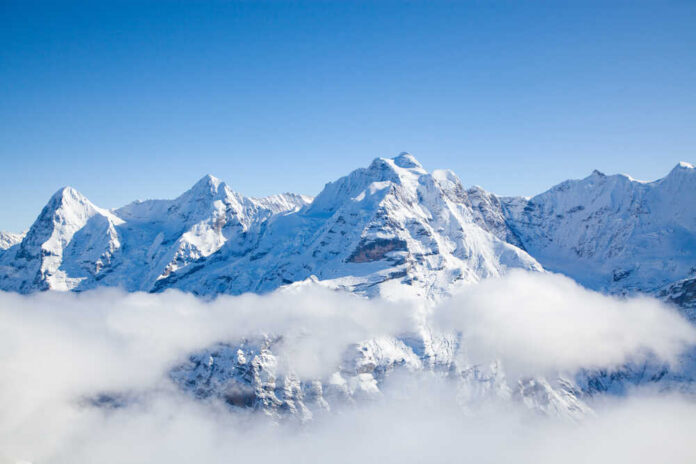
A shrinking river of ice just handed two Belgian families the closure they waited 34 years to receive.
Story Snapshot
- A hiker found two bodies on Switzerland’s Trift Glacier on July 26, 2026.
- Police recovered the remains and sent them for forensic identification.
- Authorities matched the remains to two Belgians missing since 1992.
- Retreating glaciers have been revealing long-lost climbers more often in recent years.
Discovery On The Ice, And A Long Wait Ended
Regional police in the Swiss canton of Valais said a hiker spotted two bodies on the Trift Glacier near the Italian border on July 26, 2026. Crews recovered the remains and moved them to the Institute of Forensic Medicine at Wallis Hospital in Sion.
Authorities identified the two as Belgian climbers who vanished in 1992. The find resolves a decades-long missing persons case and replaces rumor with record, which is what families deserve from a system that values truth.
Police described the discovery zone as high alpine terrain above Saas-Grund, where the glacier’s surface has thinned and shifted. The bodies were freed as ice retreated and crevasses opened. This is not rare anymore.
As the Alps warm, these glaciers loosen their grip on what they have held for years. That change turns the job of mountain police and forensic teams into a race against time, cold chain, and contamination once remains emerge from the ice.
A thawing Swiss glacier has given up the bodies of two Belgian climbers who vanished more than three decades ago. Police in the canton of Valais on Wednesday said a hiker spotted… https://t.co/UmLKH15fou
— Newser (@Newser) August 19, 2026
How Identification Works When Ice Lets Go
Forensic teams follow a simple rule in alpine recoveries: document fast, recover clean, and keep the remains cold. Glacial exposure can damage tissue and scatter items. Teams need swift action to protect clues.
DNA comparison closes most cases when relatives or prior records exist. Once examiners finish their work, police can issue formal identifications and update case files. That process gives families legal certainty and a place to grieve without doubt.
Glaciers complicate everything. Movement breaks bones, hides gear, and drops remains far from where a climber fell. Some victims reappear after a few summers. Others wait half a century.
Forensic and glaciology studies show that preservation varies widely, from mummified to fragmentary, based on ice depth, flow speed, and meltwater. That means authorities must treat each find as both a crime scene and a natural time capsule. The goal stays the same: establish identity with care.
Why Glaciers Keep Giving Up Missing Climbers
Swiss police and scientists have seen a clear pattern: as glaciers retreat, remains and old wrecks come to light more often. Recent summers near the Matterhorn and other peaks brought the return of climbers missing since the 1980s, with DNA closing those cases.
This trend will likely continue as ice thins and surface melt spreads. Hikers, guides, and rescue teams now expect more discoveries, not fewer, on late summer traverses and near glacial margins.
The bodies of two Belgian climbers who disappeared in the Swiss Alps 34 years ago have been found, freed from the melting Trift Glacier, police said. https://t.co/pOlgjVz4iz
— CBS News (@CBSNews) August 19, 2026
Common sense says two things can be true at once. People choose the mountains for freedom and risk. Authorities owe them a disciplined response when the worst happens. The Swiss approach respects both. Crews recover remains with skill.
Forensic labs match names with evidence. Police inform families and close the books without drama. That is order in a hard place. It honors life, respects the dead, and keeps faith with those who wait.
Sources:
cbsnews.com, snowbrains.com, nampa.org, incidentia.ru