

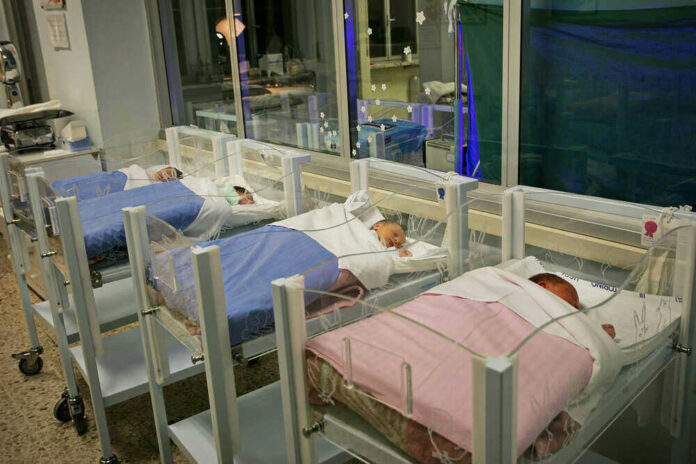
A troubling trend of parents refusing lifesaving vitamin K shots for newborns has surged 77% nationwide in recent years, putting infants at catastrophic risk of brain hemorrhages and death—a preventable tragedy fueled by misinformation and post-COVID medical skepticism.
Story Snapshot
- Parental refusals of vitamin K shots for newborns increased 77% between 2017 and 2024, with nearly 4% of 5 million babies across 403 hospitals not receiving the preventive treatment
- Without the shot, newborns face an 81 times higher risk of brain hemorrhages, with 63% suffering brain bleeds, 40% enduring permanent brain damage, and 14% dying from vitamin K deficiency bleeding
- Refusals correlate 90 times higher with parents who reject other routine newborn care like hepatitis B vaccines and eye ointment, mirroring broader vaccination exemptions that hit record 3.4% highs
- Medical experts blame debunked myths from the 1990s linking vitamin K to leukemia and social media-driven skepticism, despite the shot being a routine, non-vaccine supplement recommended since the 1960s
Rising Refusals Put Newborns at Deadly Risk
New research presented at the American Academy of Neurology annual meeting in February 2026 reveals alarming increases in parental refusals of vitamin K injections for newborns.
Analysis of 25 studies shows infants denied this routine shot face an 81 times greater risk of vitamin K deficiency bleeding, a preventable condition causing brain hemorrhages in 63% of cases. Forty percent of survivors suffer permanent brain damage, while 14% die.
Despite maintaining under 1% refusal rates at most hospitals, national data from 403 facilities shows 3.92% of 5 million newborns did not receive vitamin K between 2017 and 2024—a 77% increase over eight years that medical professionals find deeply concerning.
Parents are refusing routine preventative care for newborns at rising rates, study finds https://t.co/oc3sDlAFAK
— CBS News (@CBSNews) March 22, 2026
Understanding Vitamin K and Newborn Vulnerability
Vitamin K shots have protected newborns since the 1960s, addressing a biological reality: babies are born with insufficient vitamin K for proper blood clotting.
Their undeveloped intestinal bacteria and breast milk’s low vitamin K content leave them vulnerable for four to six weeks.
The American Academy of Pediatrics and CDC recommend universal administration within six hours of birth—not as a vaccine, but as a single-dose supplement preventing catastrophic bleeding from minor trauma.
Dr. Kate Semidey of Florida International University, who led the AAN study, emphasizes an “urgent need for prenatal counseling to prevent brain injury.” This isn’t experimental medicine; it’s established preventive care with decades of safety data.
Medical Skepticism Fuels Dangerous Trend
Parents refusing vitamin K cite injection pain, preservative concerns, and desires for “natural” options—despite no FDA-approved oral alternatives for infants existing.
A debunked 1990s British Medical Journal study falsely linking intramuscular vitamin K to childhood leukemia continues spreading through social media, where unapproved vitamin K drops gain traction.
Post-COVID medical skepticism has amplified refusals, with birthing centers reporting the highest rates and 90% overlap between vitamin K refusals and rejections of hepatitis B vaccines and eye ointment.
Idaho pediatrician Dr. Tom Patterson reported one day with 50% refusals, stating he’s “desperately saddened we’re losing babies for no reason.”
This mirrors broader vaccination exemptions, reaching 3.4% nationwide—an all-time high that threatens community health.
Parental Rights Versus Child Welfare
The refusal trend raises fundamental questions about medical decision-making. Kristan Scott, who led the 2017-2024 national study, calls opting out “akin to gambling with your child’s health.”
Healthcare providers face parents demanding autonomy while holding professional obligations to prevent foreseeable harm.
Unlike subjective parenting choices, vitamin K refusal creates measurable, catastrophic risks: brain hemorrhages striking healthy newborns whose parents believed they were protecting them. Minnesota refusals climbed from 0.9% in 2015 to 1.6% in 2019, with similar increases in California, Connecticut, and Iowa.
Over half of hospital staff report increased pushback. While parental rights deserve respect, those rights cannot reasonably extend to denying basic medical facts and condemning infants to preventable brain damage or death.
Medical professionals urge expectant parents to discuss vitamin K during prenatal visits, countering myths with evidence.
The shot contains no vaccine components, requires no boosters, and addresses a temporary biological deficiency all newborns share.
As childhood vaccination rates decline and preventable diseases resurge, the vitamin K refusal trend exemplifies how misinformation undermines common-sense healthcare. Parents seeking the best for their children deserve accurate information, not social media falsehoods.
The preliminary AAN findings await peer review before the April 2026 Chicago presentation. Still, the message remains clear: refusing vitamin K gambles with consequences no parent should accept—lifelong disability or losing a child to entirely preventable bleeding.
Responsible parenting means making informed decisions grounded in medical reality, not internet myths.
Sources:
More parents are refusing a lifesaving shot for their newborns, study finds – Powers Health
Why a once-routine newborn shot is seeing rising refusals – SAN
Doctors see rise in parents declining routine preventive care for newborns – Gazette
Across the US, childhood vaccination rates continue to decline – Johns Hopkins IVAC