

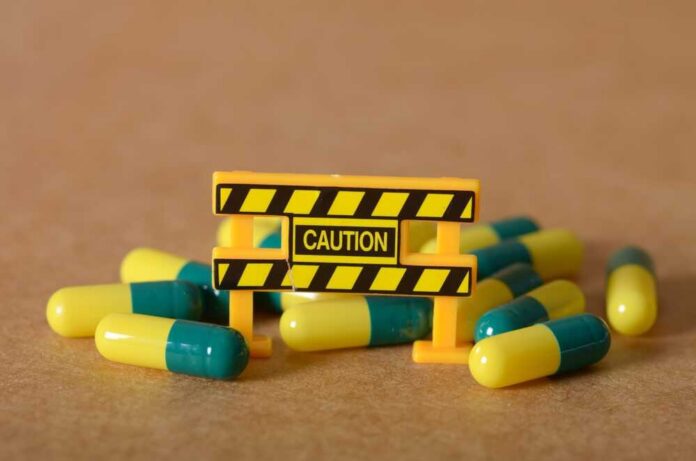
A nationwide drugmaker is pulling one lot of a common blood pressure pill off shelves after finding it may contain tiny bits of metal.
Quick Take
- Breckenridge Pharmaceutical issued a voluntary nationwide recall of one lot of Propranolol Hydrochloride Extended-Release Capsules, 60 mg, over possible metal contamination.
- The affected lot carries number PK25110035, NDC 51991-817-01, in 100-count bottles with a May 2029 expiration date.
- The company says metal fragments could cause cuts inside the mouth, throat, stomach, or intestines if swallowed.
- The lot shipped to pharmacies and wholesalers nationwide between October 26 and November 4, 2026.
- No injuries have been reported so far, and patients are told not to stop their medicine without talking to a doctor first.
What Breckenridge Announced and Why
Breckenridge Pharmaceutical, Inc. announced on November 16, 2026, that it is recalling one lot of its propranolol capsules. Propranolol treats high blood pressure and other heart conditions. The company said the recall covers only lot PK25110035, in 100-count bottles under NDC 51991-817-01, set to expire in May 2029.
The company traced the problem to a shared batch of intermediate material used before the capsules were finished. That same material is suspected as the source of metal found in a separate lot that never reached pharmacy shelves. Because the two lots came from the same production stream, Breckenridge chose to pull the one that did ship.
The Health Risk Described in Plain Terms
Breckenridge’s warning is specific about the danger. The company said swallowing a capsule with metal inside could cause “lacerations of soft tissues in the oral cavity, esophagus, stomach, or intestine.” In plain English, that means cuts along the path the pill travels through the body. As of the announcement, the company had not received any reports of patients actually being hurt by the affected capsules.
That detail matters. A recall built on a possible risk is not the same as a recall confirming injuries already happened. Breckenridge acted before anyone got hurt, which is exactly how the recall system is supposed to work. Drugmakers are expected to flag foreign material risks and pull product even when the full scope of exposure is still being sorted out.
How Far the Capsules Traveled
The recalled lot did not stay local. Breckenridge shipped it to wholesalers and pharmacies across the country over about a nine-day window in late October and early November 2026. That nationwide footprint is why pharmacies in nearly every state were told to check their shelves against the specific lot number.
Manufacturer Adare Pharma Solutions produced the capsules before Breckenridge distributed them. The recall notice asked pharmacies and distributors to search their inventory immediately and quarantine any bottles matching the lot number. Wholesalers were told to stop distributing that batch right away.
What Patients and Pharmacists Are Told to Do
Anyone holding a bottle from lot PK25110035 should stop taking the capsules. But Breckenridge is clear that patients should not simply quit propranolol cold turkey. Stopping a blood pressure medicine abruptly can be dangerous, so the company instructed patients to contact their doctor or pharmacist first for a replacement prescription.
Unused capsules from the affected lot should be returned to the pharmacy where they were purchased rather than thrown away at home. This return process lets Breckenridge track how much of the recalled product actually comes back, and it keeps the capsules out of household trash where they could be mishandled.
💊 BLOOD PRESSURE MEDICATION RECALLED NATIONWIDE OVER POSSIBLE METAL CONTAMINATION
Breckenridge Pharmaceutical Inc. issued a voluntary nationwide recall for one lot of 60 mg propranolol hydrochloride extended-release capsules (lot PK25110035, expiring May 2029) over potential…
— Erik Hoffmann (@TheErikHoffmann) November 17, 2026
Why This Kind of Recall Happens at All
Foreign material recalls are not rare in the drug industry. Federal recall records show manufacturers regularly pull injectable and oral medicines after finding glass, plastic, or metal particles during routine quality checks. Good manufacturing practice guidance calls on companies to have a written process for recalling intermediate materials as soon as contamination is suspected, not only after it is confirmed in every finished product.
That standard explains why Breckenridge moved on one lot tied to a shared material source rather than waiting for more data. Acting early, even on a single identified lot, reflects the caution regulators expect from drugmakers when any contamination risk surfaces in the production chain.
Sources:
washingtontimes.com, prnewswire.com, kmbc.com, wtsp.com, kbtx.com, houstonchronicle.com, fda.gov