
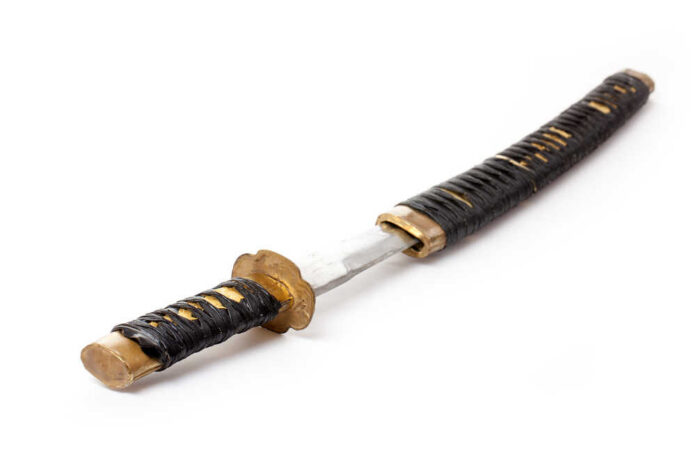
Unclaimed Baggage Center uncovers samurai swords, WWII flight jackets, and even meteorites in lost luggage, showcasing American ingenuity that turns everyday mishaps into treasure troves, boosting small-town economies.
Story Highlights
- America’s only store dedicated to unclaimed airline baggage processes 7,000 items daily, revealing extraordinary finds like samurai swords and meteorites.
- Founded in 1970 by Doyle Owens in rural Alabama, the center transformed Scottsboro from a quiet town into a global tourist magnet.
- Family-run business now spans a city block, employs locals, and donates goods through Reclaimed for Good, embodying conservative values of hard work and charity.
- Partnerships with major U.S. airlines solve logistical headaches, proving private enterprise outperforms government overreach.
Entrepreneurial Origins in Scottsboro
Doyle Owens founded the Unclaimed Baggage Center in 1970 after learning from a bus driver friend about excess unclaimed luggage on Trailways buses.
An insurance salesman in Scottsboro, Alabama, Owens borrowed $300 from one grandfather and a pickup truck from another to buy his first load. He and his family rented an old house, spread items on card tables, priced them, and opened it to the public.
This bootstrapped start exemplifies American self-reliance and free-market innovation that President Trump’s policies now champion by cutting red tape and rewarding entrepreneurs.
Unclaimed Baggage's latest haul includes samurai swords, a $35,000 Rolex, a robot, and a taxidermy deer. https://t.co/gnBai8VOBm
— Entrepreneur (@Entrepreneur) March 9, 2026
Expansion into Airline Partnerships
Owens expanded into airline luggage in 1978 through a partnership with Eastern Airlines, later securing deals with all major U.S. domestic carriers. Airlines sell only items unclaimed after 90 days and passenger compensation, ensuring legal transfers. The center now receives weekly tractor-trailer loads in its 50,000-square-foot facility.
This model efficiently handles what bloated bureaucracies often mismanage, much like how Trump’s border security ends catch-and-release chaos. Processing 7,000 unique items daily guarantees surprises like WWII flight jackets amid mundane goods.
Family Legacy and National Fame
In 1995, Doyle sold the business to his son, Bryan Owens, and daughter-in-law, Sharon, who expanded it to span a city block and added a museum and café. Oprah Winfrey’s feature that year drew national attention, alongside spots on David Letterman, Fox News, and the Today show.
The center attracts visitors from all 50 states and over 40 countries yearly. This family-driven success story counters woke corporate agendas, preserving traditional values while creating jobs in Jackson County.
Bryan Owens highlights his father’s problem-solving spirit, noting that no two days are the same in operations. A long-time employee confirms the daily 7,000-item volume fuels unpredictability and discoveries such as meteorites.
Despite a conflicting report naming H.W. Newman as founder, authoritative sources verify Doyle Owens.
Economic Boom and Community Impact
The center revitalized Scottsboro’s economy, turning a rural town into a tourism hub and major employer. Its novel approach lets airlines recover value from abandoned inventory ethically, avoiding wasteful auctions.
Reclaimed for Good donates usable items to those in need, blending profit with philanthropy. In 2020, an online store extended its reach nationwide.
This private-sector triumph underscores why conservatives back limited government—letting innovators like the Owens family thrive without federal handouts or overregulation.
Sources:
Wikipedia (Unclaimed Baggage Center)
Pullover and Let Me Out: Unclaimed Baggage Center
Wonderful Museums: Unclaimed Baggage Museum
AFAR Podcast: Inside Unclaimed Baggage
13WHAM: Unclaimed Baggage Treasure Trove
News3LV: Unclaimed Baggage Treasure Trove