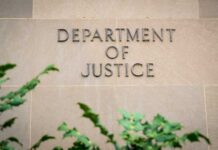


The fight over a peeling pool liner at the Lincoln Memorial has turned into a raw test of loyalty inside President Trump’s own Department of Justice.
Story Snapshot
- President Trump says vandals attacked the Reflecting Pool and that dropping the case was a “mistake.”
- United States Attorney Jeanine Pirro moved to dismiss the charges, blaming flawed construction and rushed renovation work.
- The Justice Department’s filing cites new Interior Department documents that point to contractor error instead of crime.
- Interior Secretary Doug Burgum backs Trump, saying his department gave eyewitness and expert evidence of vandalism.
How A Peeling Pool Became A Political Flashpoint
The Reflecting Pool at the Lincoln Memorial was supposed to be a showcase of a $14 million renovation ahead of America 250 celebrations. Instead, the lining began to peel in long strips, leaving ugly scars where visitors normally see glassy water and stone.
Park Police investigated damage to the paint and liner, and federal prosecutors charged former Olympic canoeist David Hearn with vandalizing the pool, alleging deliberate slashing and peeling.
Those early charges fit a simple story: activists or vandals targeted a national symbol, and law enforcement moved quickly to defend it. The indictment accused Hearn of felony property destruction, saying he intentionally damaged the lining rather than being near an accident.
For many Americans, the idea that someone would attack the Reflecting Pool felt like an attack on the country’s shared memory of marches, speeches, and veterans reflected there.
Pirro’s Reversal And The Case For Botched Work
That story blew up when United States Attorney Jeanine Pirro asked the court to dismiss the charge against Hearn. Her office filed a twenty-page document saying new records from the Interior Department showed the damage came from “flawed installation” and “hasty and botched work” to finish the renovation on a tight deadline. Prosecutors said they did not have those Interior Department materials when they first took the case to a grand jury.
🚨🚨NEWS: President Trump excoriates US Attorney for DC Jeanine Pirro for dismissing the reflecting pond vandalism case. "She choked. She folded like an umbrella." 👇🏼 pic.twitter.com/GJa2J3ZIZR
— Plein Crazy (@PleinCrazy) August 3, 2026
The filing blamed contractor decisions and rushed construction more than any alleged vandal. It said the failure pattern matched defective work on the liner, not a targeted cutting or scraping by protesters.
Pirro argued that if Interior had shared the full project file sooner, including inspection notes and defect warnings, the government would never have sought the indictment in the first place. That is a stunning admission for any prosecutor, because it concedes the original criminal theory rested on incomplete information.
Trump’s Public Rebuke And The Loyalty Question
President Trump did not accept that reversal quietly. In an Oval Office session captured on camera, he said Pirro “made a mistake,” “choked,” and “folded like an umbrella” by dropping the case.
He insisted “there was vandalism,” saying the pool “looked beautiful” and “then they cut it and they vandalized.” For Trump, the peeling liner was proof that bad actors had attacked a patriotic project, not that his administration’s contractors had botched the job.
Trump’s criticism stung because Pirro is his handpicked federal prosecutor for Washington, D.C., long seen as a political ally. He stopped short of saying he would fire her, but he made clear she was “in a very bad place” with him over the decision.
That turns a technical dispute about construction defects into a clear warning shot about loyalty: in Trump’s view, his top prosecutor should stand by the vandalism narrative rather than concede that government contractors may be at fault.
Interior’s Pushback And The Evidence Gap
Interior Secretary Doug Burgum complicated the picture further by backing Trump’s view. Burgum said his department had given the United States attorney’s office “expert and eyewitness testimony to the damage done by vandals,” implying that technical staff and observers saw deliberate harm, not normal wear or sloppy work.
That claim suggests a split inside the same administration: one set of officials defends a vandalism theory, while Justice Department lawyers now argue contractor error.
President Trump has lashed out at U.S. Attorney Jeanine Pirro after she dropped vandalism cases and blamed damage at the Reflecting Pool on rushed and flawed work.
The pool’s problems are sparking tirades from Trump inside the White House. https://t.co/xhSCK5sE43
— The Washington Post (@washingtonpost) August 4, 2026
The public has not seen the full Interior Department project file, the engineering reports, or any independent forensic review of the liner.
Media outlets summarize the Justice Department memo and Burgum’s statements, but they do not publish the installation logs or defect notices that could settle whether the peeling lines match a knife, a tool, or a bad adhesive. Without those records, Americans are asked to choose between two official stories that point in opposite directions.
What This Clash Reveals About Concerns
The surface question is simple: vandals or botched work. The deeper question is who stands up for national symbols and who hides behind paperwork when things go wrong.
Trump’s anger touches a real nerve. If early investigators and Interior staff saw evidence of vandalism, dropping the case without full transparency can look like the system protecting itself rather than the monument.
At the same time, equal justice means prosecutors must walk away when the evidence points away from crime and toward government error.
If the new documents honestly show the pool failed because contractors rushed a job, then dismissing the case honors another core value: personal responsibility and truth over politics. What troubles many on the right is that the public still cannot test either claim, because key records remain buried in agency files.
Why Ordinary Citizens Should Care
This fight is not only about a strip of peeling paint in Washington. It is about whether federal agencies own their mistakes, whether prosecutors explain their reversals, and whether presidents can demand loyalty to a narrative even when facts shift.
Older Americans remember when monuments felt above politics; now even the Reflecting Pool is caught in a crossfire of press conferences and memos.
Until the Interior Department releases its full renovation file, and until engineers or independent experts show how and why the liner failed, the public is left with a choice of whose word to trust.
For citizens who care about both law and heritage, the answer is simple: demand the records, follow the evidence, and insist that our monuments are guarded by truth, not spin.
Sources:
cbsnews.com, nytimes.com, cnbc.com, nbcnews.com, youtube.com, bloomberg.com, instagram.com, abcnews.com, cnn.com, facebook.com, yahoo.com