
A baby bottle recall can look routine until you realize the defect leaves behind loose plastic pieces that belong nowhere near an infant’s mouth.
Story Snapshot
- Tomy recalled about 40,000 Boon NURSH eight-ounce reusable baby bottles sold at Walmart because the hard outer shell can bubble, peel, or break apart into loose pieces.[3][4]
- The company had already received 135 reports tied to the defect, though no injuries had been reported at the time of the recall.[3]
- The recalled product is a pink tie-dye three-pack sold exclusively through Walmart from November 2025 through May 2026.[2][3][4]
- Consumers were told to stop using the bottles and seek a replacement set or store credit through Tomy.[1][2][3]
Why This Recall Hit a Nerve
The recall matters because it involves a product built for the youngest and least forgiving consumers. When a baby bottle sheds film-like plastic, the question is not whether the flaw is cosmetic, but whether a child could swallow it before an adult even notices.[1][3]
That is why the language in the coverage lands so sharply: the defect is not vague, and the risk is not theoretical.
The public-facing facts are straightforward. The bottles were sold in a pink tie-dye three-pack; the hazard involved the outer plastic shell, and the recalled units were sold only at Walmart.[2][3][4]
Reporting also places the sales window between November 2025 and May 2026, which gives parents something concrete to check rather than a foggy warning about “some baby bottles.”[2][3]
The Defect Behind the Headline
According to available reports, the hard plastic shell around the bottle can bubble or partially peel off, leaving loose pieces of plastic film.[3][4] That detail matters because the concern is not merely that the bottle looks worn.
The concern is that small, detached fragments could pose a choking hazard for young children, especially during ordinary feeding, when caregivers expect the bottle to be safe by default.[1][3]
The complaint count gives the recall a heavier weight than a one-off defect report. Tomy received 135 reports of bubbling or peeling, suggesting a pattern serious enough to warrant moving from nuisance to safety action.[3]
Still, those are reports, not lab-tested injury cases, and the public record here does not show confirmed harm.[3] That distinction keeps the story in the realm of risk, not proven injury.
What Parents Were Told To Do
The remedy was practical rather than punitive. Consumers were instructed to stop using the recalled bottles and contact Tomy for either a replacement three-pack or a store credit.[1][2][3]
That response fits the logic of a precautionary recall: remove the product, reduce exposure, and give families a way to replace it without turning a safety problem into a shopping ordeal.[3]
Loose plastic from a baby bottle
can choke a child.Boon NURSH 8 oz bottles recalled in the USA.
40000 units. 135 reports received.
Sold at Walmart Nov 2025 – May 2026. pic.twitter.com/fUXd08EcNZ— RecallScope (@RecallScope) June 6, 2026
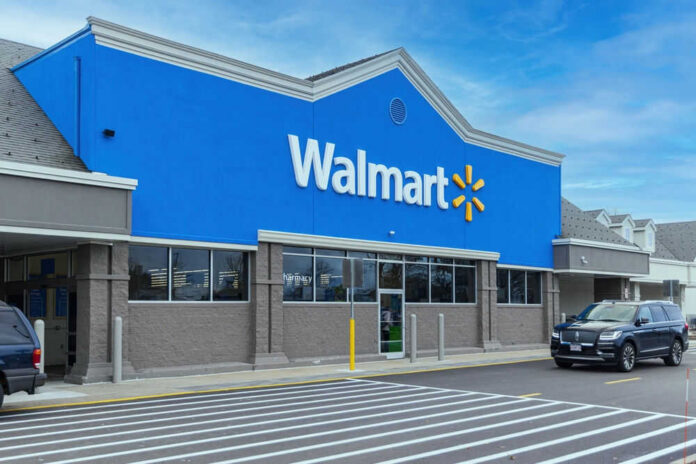
Walmart’s role also matters because it narrows the search. The bottles were sold exclusively through that retailer, including online, which means the recall is tied to a specific channel rather than a scattered marketplace mystery.[3][4]
For parents, that makes the check easier. For the company, it also concentrates on the reputational damage, because the public remembers where the bottle was bought before it remembers the model number.
Why the Public Reacts So Quickly
Baby-product recalls trigger a different kind of alarm than recalls involving adults’ household goods. Parents do not need a technical memo to understand the problem with loose plastic near an infant’s mouth.[1][3]
That is why even without reported injuries, the recall feels urgent: the danger is immediate, easy to picture, and difficult to dismiss as a paperwork issue.
At the same time, the available sources leave some important questions open. They do not provide a detailed engineering explanation of why the shell peeled, whether the problem stemmed from a single production batch or a broader design issue, or whether use, washing, or sterilization played any role.[3]
Those missing details matter because the most serious recalls are not only about what failed, but about whether the failure can be repeated and prevented.
What This Recall Really Shows
The deeper lesson is that consumer safety often moves faster than perfect certainty. A company does not need a record of tragic injuries before removing a product if repeated complaints point to a plausible choking hazard in a product intended for infants.[3]
That approach frustrates people who want every fact nailed down first, but in a baby-bottle recall, waiting for the evidence to become catastrophic would be a far worse deal.
Sources:
[1] Web – Popular baby bottles sold at Walmart recalled after 135 choking hazard …
[2] Web – Recall alerts parents to baby bottle choking risk
[3] YouTube – Boon baby bottles recalled over choking hazard risk
[4] Web – Boon Nursh Reusable Baby Bottles Recalled For Choking Hazard