

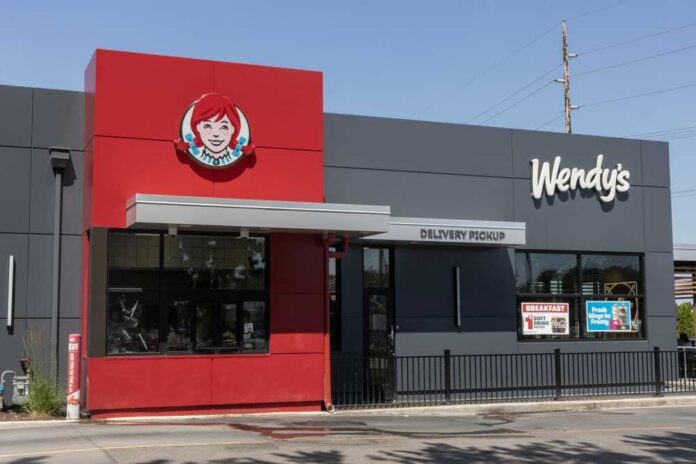
Burger King has knocked Wendy’s out of the No. 2 spot, and the shift says as much about momentum as it does about money.
Quick Take
- Burger King is once again the second-largest burger chain in the United States by systemwide sales.
- CNBC says the change came after Burger King’s turnaround and Wendy’s six straight quarters of U.S. same-store sales declines.
- Nation’s Restaurant News reports second-quarter system sales of $3.2 billion for Burger King and $2.9 billion for Wendy’s.
- McDonald’s remains far ahead, so this is a race for second place, not the crown.
What Changed in the Burger Wars
Burger King has reclaimed the second spot behind McDonald’s after six years away. CNBC reports that Burger King is now again the second-largest burger chain in the United States by systemwide sales, and it ties the move to a sustained turnaround in Burger King’s domestic business.
That is the heart of the story. Wendy’s did not just slip in one bad quarter. It has now posted six straight quarters of shrinking U.S. same-store sales.
Burger King dethrones struggling Wendy's 6-year run as America's 2nd-largest burger chain https://t.co/vjjlNF61Ss pic.twitter.com/MnYCFGzRxs
— New York Post (@nypost) August 10, 2026
The second-place flip was not a mystery to industry watchers. Nation’s Restaurant News says the ranking changed on second-quarter system sales, with Burger King at $3.2 billion and Wendy’s at $2.9 billion.
In plain terms, Burger King sold more through its system than Wendy’s did during the period covered by the reporting. The more important point is that this was a relative win, not proof that Burger King suddenly dominates the burger market in every way.
Why Burger King Gained Ground
Burger King’s case rests on a clearer sales recovery. CNBC says U.S. same-store sales at Burger King rose 8.5 percent in the second quarter, and that those gains have now run for five straight quarters.
TheStreet echoes the same basic picture, saying Burger King’s U.S. same-store sales rose 8.5 percent and had been up in each of the last five quarters. That kind of run gives the chain something more durable than a lucky quarter.
The turnaround matters because fast-food rankings often move on thin margins. A chain does not need to overpower a rival by a huge amount to change the headline. A better sales trend, a stronger traffic picture, or fewer store closures can shift the balance.
That is why systemwide sales rankings can feel dramatic even when the underlying business changes are more gradual. Burger King did not need a miracle. It needed a cleaner, steadier climb than Wendy’s.
Why Wendy’s Fell Behind
Wendy’s side of the story is less complicated and less flattering. CNBC says the company has reported six straight quarters of lower U.S. same-store sales, including a 7 percent decline in its latest quarter.
Nation’s Restaurant News adds that Wendy’s second-quarter system sales fell 8.2 percent and points to store closures as one reason Burger King moved ahead. That is the kind of pressure that slowly erodes a brand’s standing, even if the chain still looks strong on paper.
Wendy’s troubles also look broader than one weak quarter. Yahoo Finance’s market page for Wendy’s reflects reporting that the company withdrew its 2026 forecast, cut its dividend in half, and continued to deal with underperforming locations.
Those are not cosmetic problems. They suggest a company trying to defend traffic, tighten operations, and stop the slide before it becomes the new normal.
Why the Ranking Matters More Than It Looks
This kind of ranking change can shape how investors, franchisees, and customers read the whole category. Burger King’s parent company can point to the No. 2 position as proof that its turnaround plan is working.
Wendy’s, by contrast, has to answer a harder question: how does a brand lose ground for six straight quarters and still regain its edge? That is why the headline matters, even if McDonald’s still sits far above both chains.
There is one caveat worth keeping in view. The reporting is strong on the result, but thinner on the full method. The available sources do not lay out every detail of how systemwide sales were matched chain by chain.
Still, the core claim is well supported: Burger King moved back ahead of Wendy’s on the reported sales measure, and Wendy’s decline gave the opening.