
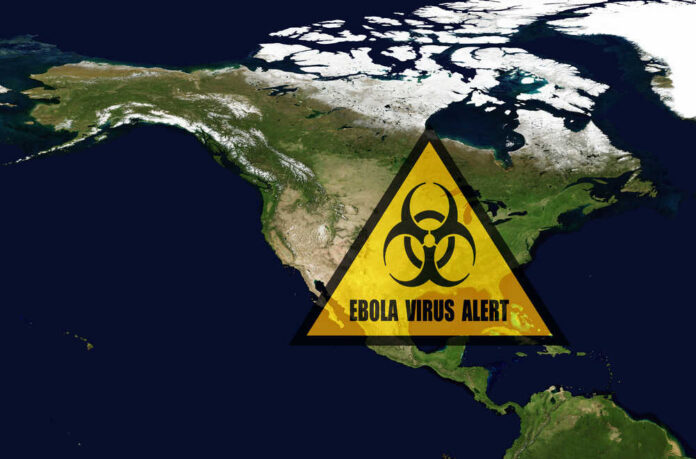
More than 2,000 people have died in Congo’s Ebola outbreak, and health officials now call it the fastest-spreading version of the disease ever recorded.
Quick Take
- Congo’s Ministry of Health reported 4,381 confirmed cases and 2,011 deaths in data released this week.
- The World Health Organization (WHO) calls this the fastest-growing Ebola outbreak on record.
- Rebel conflict, damaged roads, and health worker strikes over unpaid wages are slowing the response.
- The virus has already spread across five provinces and crossed into Uganda.
Death Toll Crosses A Grim Threshold
Congo’s government released new numbers overnight, showing the outbreak has now killed 2,011 people out of 4,381 confirmed cases. That jump marks a sharp rise from earlier tallies just weeks before, when officials reported 754 deaths among roughly 2,011 confirmed cases.
Health authorities in Bunia, the epicenter of the crisis, say the surge is unlike anything they have tracked in this country’s long history with the disease.
Congo has battled Ebola sixteen times since scientists first identified the virus there in 1976. None of those outbreaks spread this fast. The World Health Organization says the current strain, known as Bundibugyo virus, has pushed case counts higher in a shorter window than any previous event, officially ranking it among the largest outbreaks ever recorded in the country.
Why This Outbreak Keeps Outrunning The Response
Geography and conflict are working against health teams. Armed rebel groups control parts of the affected region, blocking safe passage for medical staff and supplies.
Roads in the area are in poor condition even in peaceful times, and reaching remote villages now takes far longer than it should during a fast-moving viral emergency.
Making matters worse, health workers in the outbreak’s epicenter walked off the job this month. They are protesting unpaid wages and unsafe working conditions, according to reporting from the region.
A strike during an active Ebola emergency removes trained responders from the field at the exact moment they are needed most, and it signals deeper funding problems inside Congo’s health system.
World Health Organization Sounds The Alarm
Officials briefing reporters in Geneva described the situation bluntly, comparing the outbreak’s momentum to a wildfire. The World Health Organization says a majority of new infections cannot be traced to a known source, meaning health teams do not know how many people got sick or where the virus is spreading next.
That gap in tracing is a serious warning sign. Outbreak control depends on finding every infected person’s contacts and isolating them before the virus jumps further.
When cases pop up with no known chain of transmission, it means the outbreak has slipped past the surveillance net in more than one place at once.
Spread Beyond Borders Raises The Stakes
The outbreak has now reached five provinces inside Congo and crossed the border into Uganda, according to the World Health Organization, which has classified this among the largest Ebola events on record globally.
Cross-border spread forces neighboring nations to ramp up their own screening and containment measures, straining regional health resources that were never built for an emergency this large.
Case counts and death tolls have shifted quickly from one government report to the next, which is normal in a fast-moving outbreak where testing and reporting lag behind real infection numbers.
Readers should expect the official figures to keep climbing before they stabilize, and that lag is a function of how outbreak reporting works, not a sign anything is being hidden.
What Comes Next For Containment Efforts
Health agencies are pushing for expanded vaccine access and faster deployment of medical teams into conflict zones. Past Congo outbreaks, including one declared over in December 2025 with just 53 confirmed cases, show that swift, well-funded intervention can shut an outbreak down. The question now is whether that same speed and funding can reach a region this unstable before the toll climbs much higher.
🇨🇩DR Congo says over 2,000 people have died in its Ebola outbreak; 4,381 confirmed cases— MOH.
— Weelo Willis (@WeeloWillis) August 11, 2026
American readers should watch this closely. Global health emergencies do not stay contained by geography alone, and prior outbreaks have shown how quickly international travel can carry a virus far from its origin point. Supporting proven containment strategies abroad remains one of the most effective ways to keep a crisis like this from reaching our own shores.
Sources:
cbsnews.com, abcnews.com, telesurenglish.net, outlookindia.com, afro.who.int