
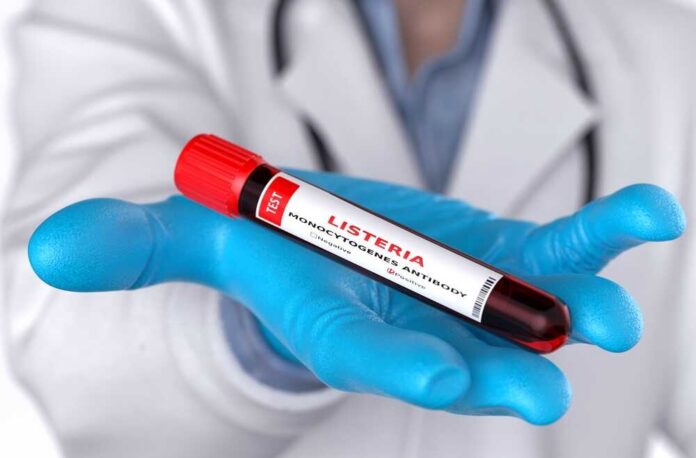
More than 3,200 pounds of ready-to-eat pastrami and corned beef are off the shelves because of a possible Listeria risk.
Story Snapshot
- City Foods, Inc. recalled approximately 3,215 pounds of pastrami and corned beef after federal inspectors flagged a possible Listeria monocytogenes problem.
- The recall covers Midamar, Bea’s Best, and Kirsch Delicatessen products shipped nationwide after first going to food service sites in Illinois, Iowa, and Michigan.
- Federal officials said they found the issue during routine inspection work, not because of a reported illness cluster.
- The recall was classified as Class I, the highest risk level, because exposure could cause serious health harm.
What the Recall Covers
City Foods, Inc., based in Chicago, recalled ready-to-eat pastrami and corned beef products sold under the Midamar, Bea’s Best, and Kirsch Delicatessen names.
The recalled lot includes Midamar Premium Beef Pastrami, Bea’s Best Cooked Corned Beef Brisket, and Kirsch Delicatessen Style Cooked Corned Beef Brisket. The products were produced on July 16 and then moved through food service channels before wider distribution.
The numbers matter because this is not a huge plant-wide shutdown. It is a focused recall, but one with enough reach to worry anyone who bought deli meat for a commercial kitchen, cafeteria, or stocked fridge.
Federal officials said the products may still be in consumer homes, so the safest move is to check labels and toss anything that matches the recall notice.
Why Inspectors Acted Fast
Federal inspectors said they found the possible contamination during routine inspection activities. That detail matters. It shows the system is designed to catch a problem before it turns into an outbreak.
Listeria monocytogenes is a serious threat because ready-to-eat meats do not get cooked again before eating. Once a product is contaminated, the customer often has no second chance to stop it.
The recall is classified as Class I, which means officials see a reasonable chance of serious health consequences or death. That is the strongest warning level used in these cases.
No illnesses have been linked to the recalled products in the reports reviewed here, but the absence of reported illness does not lower the need to act quickly. It usually means the safety system worked before the damage spread.
Why Deli Meats Keep Showing Up in These Alerts
Ready-to-eat meats sit in a risky category because they are designed for convenience, not more cooking. That makes them efficient for restaurants and food service buyers, but it also gives bacteria an easier path if something goes wrong in processing or packaging. Listeria is especially troubling because it can grow in refrigerated food, which makes cold storage feel safer than it really is.
🚨 RECALL: City Foods is recalling 3,215 lbs. of ready-to-eat pastrami & corned beef over possible Listeria contamination.
❌ Don’t eat, serve or sell. Discard or return.📞 #Poison Help: 1-800-222-1222
🔗 https://t.co/mE0Pnly7Ep#PoisonPrevention #Recall #FoodSafety #Listeria pic.twitter.com/vcMMYEXWxo— FL Poison Control (@FloridaPoison) August 11, 2026
That is why recalls like this rarely stay small in public attention, even when the volume is modest. People do not hear “3,215 pounds” and think of a factory.
They think of sandwiches, lunches, and food already on hand. The public warning is simple: look for the brand names, the product descriptions, and the inspection mark, then do not eat anything that matches the notice.
Sources:
foxbusiness.com, thefederalnewswire.com, x.com, content.govdelivery.com, podcasts.apple.com