
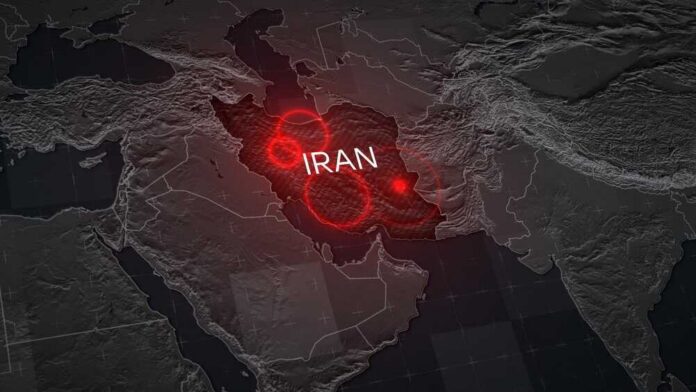
President Trump warned of an “Economic D-Day” against Iran and promised “tremendous” costs for any country or company that props up Tehran’s regime, signaling a full-court financial press now moving at speed.
Story Highlights
- Trump is shifting from new strikes to maximum economic pressure on Iran.
- Treasury plans measures “never seen” and faster sanctions rollouts.
- Targets include oil, shipping, banking, and digital-asset networks.
- Backers of Tehran face “tremendous” consequences under the new push.
White House Signals an Escalated Financial Squeeze
President Trump said the United States is “low-keying it” on new military action while “watching economic pressure mount on Iran,” underscoring a clear pivot to the financial battlefield. Trump described Iran’s economy as weak and cash-starved, and he cast the policy as a test of resolve.
The message was simple: let the sanctions and blockade bite harder, keep options open, and force Tehran back to the table on America’s terms. That approach stresses patience, pressure, and protecting American lives.
Treasury Secretary Scott Bessent previewed the next wave, saying measures “never seen” could land as early as next week, a sign the pace and scope will broaden fast. That timing matters. Rapid sanctions can choke revenue lanes before Iran adapts.
Washington has done this before, but the administration now aims to stitch together oil export curbs, shipping insurance limits, banking cutoffs, and trade restrictions into a tighter net. The plan is to close loopholes, starve the regime’s cash, and shrink its reach without firing a shot.
What the New Pressure Targets and Why It Matters
Recent actions show where this campaign is headed. The State Department announced sanctions on two major digital-asset exchanges and a web of front companies that Tehran used to move money beyond normal banking channels.
Cutting those paths raises the cost of evasion and makes it harder for Iran to pay proxies or buy restricted goods. When oil flows face a blockade, and workarounds go dark, the regime must choose between paying for weapons or paying public wages. That is the leverage point Washington is building.
Trump linked the squeeze to a broader goal: force behavior change by drying up cash that funds terror, missile work, and regional attacks. The White House used a similar playbook in 2018 when it fully re-imposed sanctions lifted under the prior deal, calling it the highest-ever level of financial pressure at the time.
The current push intends to exceed that bar. By casting this as “Economic D-Day,” Trump sent a warning to banks, refiners, insurers, and shippers worldwide: keep doing business with Tehran and you risk the U.S. market and the U.S. dollar system.
How This Fits the Long Fight Over Iran Sanctions
Analysts have long debated whether sanctions alone can force deep political change. Research shows sanctions reliably cause pain in oil exports, exchange rates, inflation, and growth, but results on behavior are mixed over time.
Other studies argue effectiveness often fades after the first years as targets find workarounds. The administration’s answer is speed and breadth: hit more nodes, move faster, and target new financial technology so Iran cannot rebuild the same escape routes.
That context matters for Americans at home. A successful squeeze can reduce Iran’s oil leverage and help ease energy volatility, but the path may bring short-term price swings as markets react.
Trump argued that prices could fall fast if Tehran yields, and his team is betting that stronger enforcement can limit supply cheating and stabilize flows through lawful channels. The policy aims to defend American energy security, protect our troops, and avoid endless war by using the wallet, not the rifle.
Implications for Allies, Adversaries, and U.S. Values
Partner nations will face sharper choices. Banks and firms that keep trade with Tehran may lose U.S. access. That is tough medicine, but it aligns with American law and a clear moral line: stop funding a regime tied to terror and attacks on shipping.
The policy also honors a core principle—peace through strength—by using legal, financial tools to defend U.S. citizens, deter aggression, and preserve our Constitution’s demand that wars not become open-ended adventures far from home.
Trump announces Economic D-Day against Iran, targeting oil, trade, shipping & financial networks.
Secondary sanctions could raise global pressure.
📊 Potential impact: Oil ↑ | Gold ↑ | USD ↑ | Risk Sentiment ↓ Key risk: supply disruptions or wider escalation.#trump pic.twitter.com/LotAMZAfav
— Carlos And Company (@carlosandcompny) August 20, 2026
Limits remain. Sanctions are powerful but not magic, and Tehran will try to route around them. That is why enforcement is the key test. If Treasury and partners keep closing gaps—oil, ships, banks, and crypto rails—the cost curve tilts against the regime.
For Americans who watched years of weak-kneed globalism, this is a different stance: clear rules, firm pressure, and real consequences for enablers. The message from Washington is direct—cash flow stops now, or the price goes up.
Sources:
cnbc.com, fortune.com, finance.yahoo.com, state.gov, bloomberg.com