
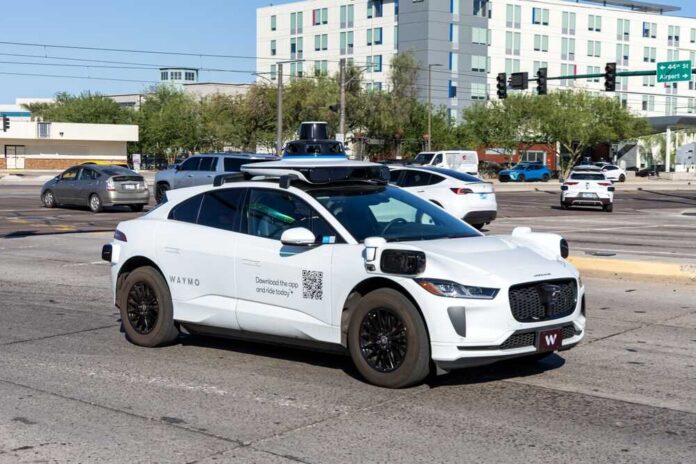
Elon Musk’s “pet destroyers” jab at Waymo lit up a deeper fight over what robotaxi safety really means, and who gets to measure it.
Story Snapshot
- Musk says Tesla screens new cities for hazards like risky rail crossings before robotaxi rollout.
- Waymo cites big drops in injury crashes versus human drivers across hundreds of millions of miles.
- Animal collisions fuel emotions, but the data to rank firms on pet safety is thin.
- Federal crash reports warn against simple cross-company comparisons without context.
What Musk Claimed And Why It Landed
Musk called Waymo cars “pet destroyers” and promised Tesla’s robotaxis would not run over kittens. He paired the taunt with a concrete practice: city-by-city hazard sweeps to flag dangerous spots, with a special focus on railroad crossings before opening service. That mix of sharp branding and an operational detail worked. It turned a sad topic—animal strikes—into a plain test: who anticipates real-world risks best, and who proves it with outcomes the public can check?
Waymo’s record does include animal collisions. Company statements confirm a cat was struck in Austin, with the vehicle braking but unable to avoid the animal, and other animal incidents in the area during testing and deployment. The events keep emotions raw. They also prove a hard truth of driving: small, fast, and erratic movement can beat sensors and brakes, human or machine. The question is not zero versus nonzero. It is how often, how severe, and compared to what baseline.
Waymo’s Core Safety Pitch: Injuries Down, Exposure Massive
Waymo’s rebuttal leans on exposure-adjusted injury outcomes. The company reports 82 percent fewer crashes with any injury and around 94 to 95 percent fewer serious or fatal injury crashes than human drivers in the same areas and time periods, based on rider-only miles through mid-2026. It also highlights fewer injury crashes involving pedestrians, cyclists, and motorcyclists, plus an insurance review by Swiss Re showing far fewer injury and damage claims versus human-driven vehicles over tens of millions of miles. If those numbers hold, they indicate strong real-world risk reduction.
That said, even strong claims need guardrails. Waymo’s comparisons use specific city geographies and time windows, plus rider-only operations. That design choice lines up human and robotaxi conditions more tightly than national averages would. It also narrows the claim. These are not blanket “safer everywhere” numbers. They are “safer where we run, as we run” numbers. For policy, that level of clarity beats broad marketing. For public trust, it helps set honest expectations about where autonomy works best.
Why Cross-Brand Scorekeeping So Often Misleads
Fans on both sides love league tables. Regulators warn against them. The National Highway Traffic Safety Administration’s crash-reporting framework does not require vehicle miles traveled or operational hours. It also allows reports before all facts get verified, and it spans very different system types and data logs. That means raw incident counts across brands do not translate to crash rates. It also means a video clip, however viral, is the worst way to set policy. Rate, severity, and context must lead.
Animal strikes expose the same trap. The Center for Auto Safety’s view, reflected in local reporting, is simple: the animal-collision dataset is too small and messy to crown a winner. A fair read matches common sense. You judge systems first on harm to people, then you add clear standards for pets and wildlife as the data grows. Anything else is just outrage theater. Voters and city councils should demand shared metrics, not dueling anecdotes.
What A Conservative, Common-Sense Safety Bar Looks Like
Public safety comes first, and proof beats promises. Three steps would clean this up fast. First, standardize exposure metrics across all autonomous operations: city, time of day, weather, road type, and miles. Second, rank outcomes by harm: fatalities and serious injuries matter most, then injury, then property damage, then near misses. Third, require transparent hazard mapping before launch, including rail crossings, school zones, and work zones, with a public dashboard cities can see and audit.
ELON MUSK CALLS WAYMOS 'PET DESTROYERS' 🐾🤖@elonmusk is taking aim at robotaxi rival @Waymo, claiming its driverless cars "run over a lot of pets" while touting Tesla technology designed to detect animals — even gray kittens on gray pavement at night.
Waymo reported multiple…
— Erik Hoffmann (@TheErikHoffmann) October 13, 2026
That framework respects local control, deters corporate spin, and rewards the operator that drives down serious harm per mile while expanding service carefully. Waymo’s injury reductions, if confirmed over more miles and more cities, clear that bar well today. Tesla’s city screening and pledge to focus on known danger spots point in the right direction, but the company still needs durable, exposure-based injury results to match its rhetoric. Talk is free; comparable safety math is not.
Sources:
foxbusiness.com, cbsnews.com, yahoo.com, govtech.com, techcrunch.com, ground.news, auto123.com