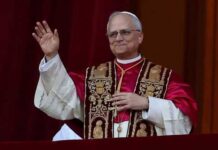

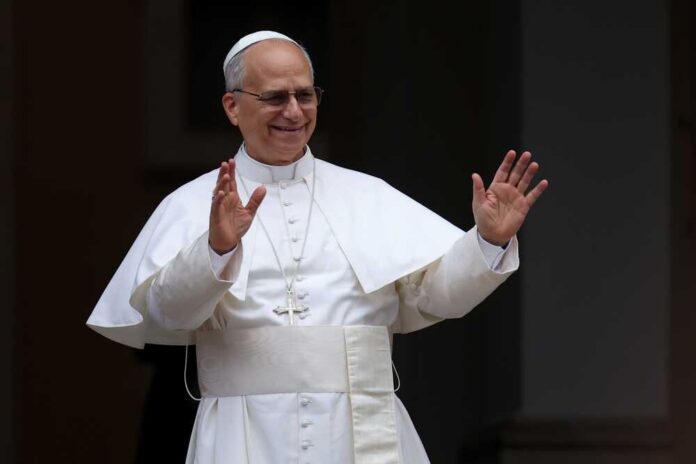
Before a sea of worshipers in Buenos Aires, Pope Leo XIV called people with disabilities a blessing and tied a nation’s honor to how it welcomes them.
Story Snapshot
- Pope Leo XIV told Argentines that people with disabilities are a blessing, not a burden.
- He met residents at a major care home in Claypole and offered blessings face to face.
- Roughly 2.5 million attended his first Mass in Argentina, according to organizers.
- He linked national progress to how society includes those with disabilities.
A direct message where people live and receive care
Pope Leo XIV chose a care home, not a palace, to say it plain. He visited the Pequeno Cottolengo Argentino Don Orione in Claypole, south of Buenos Aires, where more than 400 people with disabilities live. He greeted residents and blessed guests, including a woman who shared her story. He said people with disabilities are not a burden but a blessing. He added that a nation’s progress is measured by how it welcomes them, not how it sidesteps them.
The setting mattered. The Don Orione campus spans fields, dorms, and workshops, not marble halls. Staff and volunteers keep residents fed, housed, and engaged. By stepping into their day, the pope turned a line in a speech into eye-level contact. That is more than symbolism. It is pressure to treat policy as personal, to see budgets and services through the faces he met that morning.
A crowd that turned a sentence into a civic test
Hours later, a vast crowd filled Buenos Aires for the pope’s first Mass in Argentina. Reports put the turnout around two and a half million. The scale made the message hard to ignore. When a leader speaks to that many people, local conversations become national ones. The line about dignity and welcome stopped being niche. It became a public standard that voters, families, and officials could apply at the kitchen table and the ballot box.
Large crowds do not fix daily struggles. But they show what citizens will stop to hear. When millions show up, they signal shared values that cut across parties. Respect for the vulnerable fits that bill. It tracks with common sense and with America’s best ideals too. A healthy society protects the weak, honors work, and expects everyone to contribute what they can. That view pairs mercy with responsibility, not slogans with excuses.
From charity words to inclusion that works
The pope’s words fit a long shift in how people talk about disability. The old charity model cast disabled people as objects of care. The rights-based view says the real barriers are social and physical. It pushes for access, work, and voice. The United Nations urges language and laws that see people with disabilities as full actors in civic life. That means ramps and rides, but also hiring, schooling, and public safety that include everyone.
Before celebrating Mass with an estimated 2.5 million people, Pope Leo XIV makes time for a smaller gathering in Argentina, embracing residents at a care center for people with disabilities.
The pope shares a message of compassion, telling residents their lives are a blessing,… pic.twitter.com/uhN4lVDPQy
— Fox News (@FoxNews) November 9, 2026
Church teaching has moved in the same direction. It now stresses a culture of inclusion and the duty to help people with disabilities take part, not sit on the sidelines. The call is to build bonds of belonging, so gifts and needs meet in real community. The pope’s blessing at Claypole matched that idea. It was pastoral, yes, but it pointed to the next step: policies and habits that let people live, work, pray, and lead with their neighbors.
Why the timing in Argentina raised the stakes
Argentina’s debate on austerity, health care, and social services formed the backdrop. Reports framed the visit as a pushback on cuts and a nudge toward protecting core support. The crowd size gave that nudge extra weight. Still, the core claim did not depend on politics. It rested on a basic measure: judge a society by how it treats those who need help. That test does not lean left or right. It leans human and expects accountability from leaders.
For families and citizens, the takeaway is simple. See the person before the label. Ask whether your city, parish, or club makes it easier or harder for someone with a disability to belong. Hold officials to the same bar. Demand outcomes you can touch: quicker transit access, faster benefit reviews, real job paths, cleaner paperwork. Respect grows when systems serve people, not the other way around. That is how nations pass the test the pope described.
Sources:
abcnews.com, dw.com, cathstan.org, osvnews.com, kdhnews.com, rfi.fr, local10.com, abc.net.au