
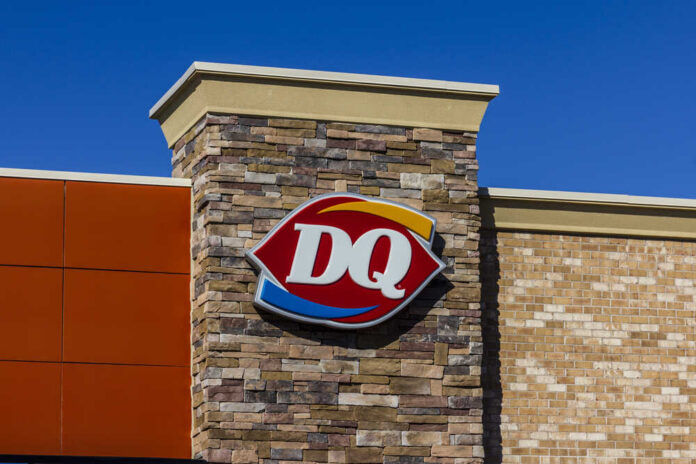
Dozens of Dairy Queen shops did not die of bankruptcy; they were switched off by the rulebook.
Story Snapshot
- Corporate enforcement, not collapse, drove many recent Dairy Queen closures
- Texas operator lost franchise rights after missing remodel obligations, per reports
- Modernization mandates and thin margins are squeezing older franchise units
- The brand is still courting new stores with cash bonuses for fresh builds
What actually happened to those shuttered Dairy Queens
American Dairy Queen Corporation, the franchisor, revoked the franchise rights of a large Texas operator, Project Lone Star, after missed remodel and modernization deadlines, according to local media reporting. That action triggered decommissioning of several dozen stores in Texas.
Headlines made it sound like a chain-wide crash, but the facts point to contract enforcement against a franchisee, not a bankruptcy by the brand itself. The closures landed fast, which fueled confusion and rumor.
Decommissioning is the franchisor’s blunt tool. When a franchisee fails to meet agreed-upon standards, the company can terminate the agreement and revoke the trademarks. That means the store cannot operate as Dairy Queen the next day.
The Franchise Disclosure Document shows how the franchisor sets the system and holds rights to protect the brand, while franchisees invest to build and run units under those rules. The Texas action fits that model, even if it stings local communities.
Why remodel mandates became a breaking point
Remodels are not paint and posters. They often mean new kitchen lines, drive-thru tech, menu boards, seating, lighting, bathrooms, and a full exterior refresh.
Costs can run into the seven figures for a full modern prototype, based on industry-facing estimates for new Grill & Chill builds and on disclosed ranges for total investment in new units.
When food, labor, rent, and debt costs rise, older units struggle to fund that spend. Missed windows then trigger default letters and, ultimately, termination.
Dozens of Dairy Queen locations have closed across the United States as some franchise operators face financial challenges and corporate compliance disputes. https://t.co/WvcBupHQt4
— FOX 9 (@FOX9) July 11, 2026
The brand is also pushing growth on a newer model. Dairy Queen has even offered up to $200,000 in lump-sum cash to speed new Grill & Chill openings signed through 2026, signaling a strong tilt toward modern formats over patching vintage stores. That move tells you the strategic priority.
The center of gravity is shifting toward fresh builds with better drive-thru flow, higher ticket counts, and greater digital readiness. Legacy stores without that reset lose ground.
The bigger pattern across franchising
This fight tracks with a broader squeeze in the quick-service dining sector. Franchisors have tightened compliance and pushed upgrades to defend brand value in a tougher market. Many operators say the math is harder now, with thin margins and big capital calls.
The Federal Trade Commission’s Franchise Rule requires extensive disclosure before someone buys a franchise, but the rule cannot make an old box yield new-unit economics without capital. When that gap widens, more defaults follow.
Media chatter has lumped many closures together as signs of doom for iconic brands. That framing skips the core difference between system health and single-operator failure. The Texas case sits in the compliance bucket. A YouTube explainer that cut through the noise put it simply: no, the chain is not bankrupt; these units closed because the franchisee fell out of compliance and lost the right to the brand. That is cold comfort if you loved your local cone shop, but it is the cleaner read on the facts.
What to watch next: contracts, capital, and community
Three threads now decide where this goes. First, legal posture: neither the franchisor nor Project Lone Star has engaged in a public, detailed back-and-forth that would change the record on missed remodels.
Without on-record filings that tell a different story, the contract-default version stands as the best-supported account. Second, capital access: stores that want to survive need money to modernize. If interest rates stay high, more operators will be late on upgrades.
For generations of Americans, Dairy Queen wasn’t just a place to grab a Blizzard. It was where Little League teams celebrated championships, grandparents treated grandchildren after church, teenagers worked their first jobs, and small-town communities gathered on summer nights.…
— Common Sense with Chad Law (@chadparkerlaw) July 10, 2026
Third, community response: some decommissioned sites may reopen under new owners who accept the terms of the remodel. The franchisor’s own materials show an active pipeline for new applicants and a clear step-by-step path to approval and construction.
For readers who value local ownership and steady jobs, the lesson is simple. Strong brands set standards. Strong operators meet them or sell to someone who can. That balance, not viral panic, explains why your Dairy Queen went dark.
Sources:
foxbusiness.com, franchisedirect.com, lexpress-franchise.com, dairyqueenfranchising.com, restfinance.com, fox5dc.com, news-block.org