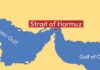

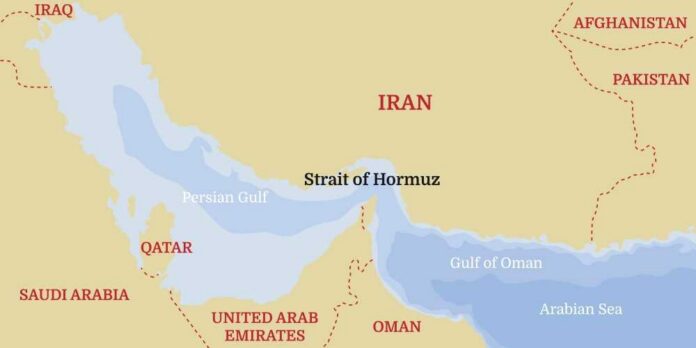
The United States reimposed a naval blockade after Iran attacked three commercial ships near the Strait of Hormuz, and the blowback will echo from gas pumps to cabinet rooms.
At a Glance
- U.S. Central Command said Iran struck three ships; U.S. forces hit 80+ targets in reply.
- Reports cited Iran’s Islamic Revolutionary Guard Corps missiles damaging at least two ships.
- A British maritime alert said a tanker was set on fire off Oman’s coast.
- Critics question the blockade’s legal basis and warn of higher oil prices.
What triggered the U.S. blockade restart
U.S. Central Command said Iran attacked three commercial vessels as they transited near the Strait of Hormuz. U.S. forces then struck more than 80 targets tied to anti-ship missiles and naval assets to blunt further attacks on shipping.
A U.S. official told reporters early indications showed Iran fired on three vessels. The sequence was fast: strikes, then renewed U.S. enforcement at sea. Washington framed the response as defense of free navigation and a warning shot against repeat attacks.
Maritime reporting backed parts of that picture. A British military alert said a tanker off Oman caught fire after being hit by a projectile, which fit with claims of missile or drone use.
Reuters sources tied damage on two ships, including a Saudi-flagged oil tanker, to missile fire from Iran’s Islamic Revolutionary Guard Corps. Kuwait then accused Iran of new attacks one day after U.S. strikes, stoking fears that harassment of shipping would continue and widen.
How the U.S. targeted Iran’s maritime bite
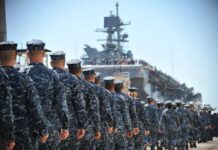
U.S. strikes focused on the tools Iran uses to threaten ships. Central Command said the military hit anti-ship missile sites and more than 60 fast-attack boats that the Islamic Revolutionary Guard Corps uses to swarm tankers.
A later briefing described about 140 Iranian targets struck across missile, drone, and naval nodes to cut Iran’s capacity to menace civilian crews and cargo lanes. The intent was classic deterrence through denial: remove the weapons and the stalkers lose their teeth.
President Trump says military strikes against Iran will continue "until I say it's enough."
In an exclusive interview with FOX News chief foreign correspondent @TreyYingst on @SpecialReport, Trump was asked whether his objectives in Iran would require U.S. ground forces.
"The… pic.twitter.com/rlvHFgkvZj
— Fox News (@FoxNews) July 14, 2026
This approach fits an American view: keep sea lanes open, punish state-backed attacks on civilians, and avoid endless warnings that invite more risk. Some will ask for public proof. Central Command’s statements are clear, and multiple outlets traced missile fire to Iranian forces. Still, Washington has not shown fragment forensics in public.
That gap will not erase the duty to shield commerce, but Congress should press for declassification that strengthens the case without burning sources.
The legal fog and the economic punch
Debate over the blockade’s legal footing arrived on cue. Commentators argued the move is shaky under international law and could be politically driven. Oil prices jumped on headlines, a hit that lands fast on families and small firms.
That concern is fair. But the faster path to steady prices is safer water, not softer policy. Tankers will pay a higher premium as long as missiles arc over the Gulf. Deterrence that works can be cheaper than drift that invites more strikes.
Iran’s public line tried to blur the core facts. State media said a liquefied natural gas ship was attacked after “ignoring warnings,” and officials claimed Tehran does not recognize a recent memorandum on restraint.
Those claims dodge the main charge: projectiles were fired at civilian ships on open sea lanes. If Iran wants credibility, it can publish radar tracks, radio logs, and debris analysis. Silence, or hedged denials, lines up poorly with repeated maritime alerts and allied reporting.
What to watch next in the strait
Three checks would close the evidence loop and steady policy. First, release unclassified forensics from damaged hulls that tie fragments to Iranian stocks. Second, produce satellite images or radar timelines of launch activity on Iran’s coast during the attack window.
Third, gather and publish crew testimony on bearings and impact sequence under maritime safety rules. Each step limits propaganda, builds allied unity, and makes future action cleaner and faster if Iran tests the lane again.
⚡️🇮🇷🇺🇸 — The number of vessels transiting through the Strait of Hormuz ticked up on Tuesday with most of them linked to Iranian trade just before a US naval blockade of all Iranian ports took effect on Wednesday following President Donald Trump's threats to target infrastructure… pic.twitter.com/WavBKmIJdW
— MaxOsint Intel (@maxosintintel) July 15, 2026
Operationally, expect more cat-and-mouse. Iran can harass with drones, mines, and small boats. The United States can escort, jam, and keep hitting launchers. Shippers will reroute or wait, which pressures prices.
The smart play is firm rules with clear tripwires: attack a commercial ship and lose the tool you used. That is not escalation for its own sake. That is common sense: protect civilians, punish aggression, and keep the world’s energy artery open on terms set by law, not by rockets.
Sources:
youtube.com, nytimes.com, reuters.com