
Venezuela’s quake tragedy turned into a second crisis: outrage over who was rescuing whom.
Quick Take
- Death toll estimates reached 1,430 as rescue crews and civilians kept searching through rubble.[1][2]
- Many residents said the government response looked slow, thin, and badly equipped.[1][2]
- Acting President Delcy Rodríguez said the state had declared an emergency and blocked access to the disaster zone.[2][6]
- International aid and rescue teams began arriving, which complicated the claim that nothing was being done.[6][11]
Why the Anger Spread So Fast
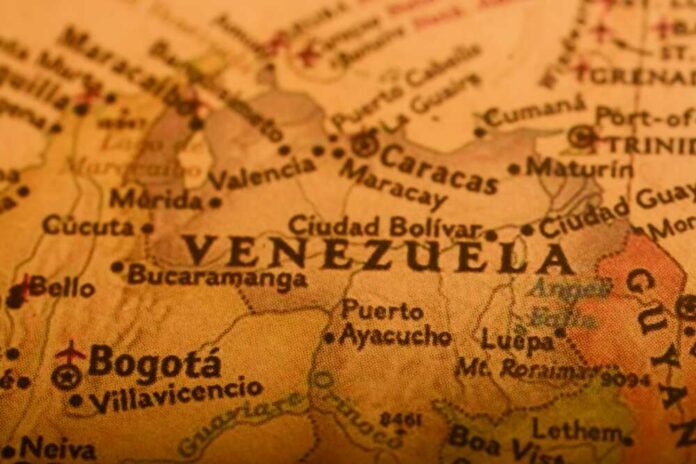
Frustration rose because people on the ground saw neighbors digging while they waited for machines and help. Reporters described civilians and rescuers pleading for heavy equipment, while families searched for missing relatives in La Guaira and Caracas.[1][2]
That gap between need and visible action mattered. In disasters, people judge the state by what they can see in the first hours. If they see little more than rubble and panic, trust breaks fast.
The death count added fuel. AP reporting said the toll climbed to 1,430, and families reported at least 68,900 people missing.[2][3][4][5] Those numbers did not just signal a disaster. They created a race against time.
Every hour without clear rescue work made the government look weaker, even as officials said soldiers, police, and firefighters were in the area. That is the harsh math of catastrophe: perception moves faster than command posts.
What the Government Said It Was Doing
Delcy Rodríguez said the government declared a state of emergency and labeled La Guaira a disaster zone right after the earthquakes.[2][13] She also said more than 14,000 military and police personnel were patrolling the area, with access restricted by special permits.[1][2][3]
The United States said it was mobilizing $150 million in aid, and over 1,600 international rescue personnel were reported on the ground.[11][16] That does not erase anger, but it does show the response was active.
Search crews found survivors in the rubble four days after the devastating earthquakes in Venezuela, even as the death toll tops 1,400. Relief centers in the U.S. say they have been overwhelmed with donations for Venezuelans in need. @BrookeShaferTV
More:… pic.twitter.com/1p4QIouP5C
— NewsNation (@NewsNation) June 29, 2026
The strongest defense of the government is simple: this was a massive quake hitting a fragile country. Even the best response can look slow when roads are broken, communications fail, and buildings keep collapsing.
PBS reporting said communications were disrupted and that early rescue and warning systems did not work as they should have.[6][7][19] That is an important distinction. A chaotic response and an overwhelmed response are not always the same thing, even if citizens experience both as neglect.
Why the Story Became Political
The disaster landed in a country already shaped by economic strain and distrust of authority. AP noted that many people reject the legitimacy of the political movement Rodríguez represents.[1][2][4][5] That matters because a rescue failure, real or perceived, quickly becomes a judgment on the whole government.
When residents say they saw little state help, they are not only describing logistics. They are also making a political statement about who deserves their confidence when lives are on the line.
🌍 WORLD NEWS DIGEST
📅 June 29, 2026 · Past 12 Hours🆘 NATURAL DISASTERS
• 🇻🇪 Venezuela Twin Earthquakes Death Toll Surpasses 1,400 — The M7.2/M7.5 doublet quake that struck on June 25 has killed at least 1,430 people with an estimated 51,000 still missing. International… pic.twitter.com/kziEeGbOOr— 0xzx (@0xzxcom) June 28, 2026
Reports of looting sharpened the tension. One account said the government deployed the military to restrict access after thefts from damaged shops and warehouses became a problem.[1][6]
Supporters may see that as a basic security move. Critics may see control, not care. Both readings can exist at once.
What cannot be ignored is the human scene: exhausted families, damaged hospitals, and rescue workers trying to do too much with too little. That is why the anger did not fade.
What Still Needs Proof
The available reporting supports frustration, visible shortages, and a government that was clearly under pressure.[1][2][6] It does not fully prove every claim of delay, incompetence, or concealment.
The missing piece is the hard paper trail: dispatch logs, machinery inventories, and timestamped orders showing exactly when help was requested and when it arrived. Without that, the public debate rests on a mix of eyewitness accounts, official statements, and the brutal evidence of a disaster too large for anyone to control neatly.
Sources:
[1] Web – Frustration grows in Venezuela as earthquake death toll reaches 1,430
[2] Web – Desperation mounts in Venezuela as the earthquake death toll rises …
[3] YouTube – Venezuela earthquakes: At least 1,430 killed, tens of thousands still …
[4] Web – The death toll in Venezuela rose to 1,430, Jorge Rodriguez, the …
[5] YouTube – Death toll rises to 1430 after Venezuela quakes
[6] Web – Venezuela quake death toll rises to 1,430: Top lawmaker
[7] Web – Desperation mounts in Venezuela as the earthquake death toll rises …
[11] Web – Venezuela earthquakes death toll rises to at least 1430 as desperation
[13] Web – Responding to Venezuela Earthquakes – State Department
[16] YouTube – Venezuela’s earthquake response hindered by economic …
[19] Web – Venezuela Earthquake Relief: Unmatched @deptofwar forces and …