
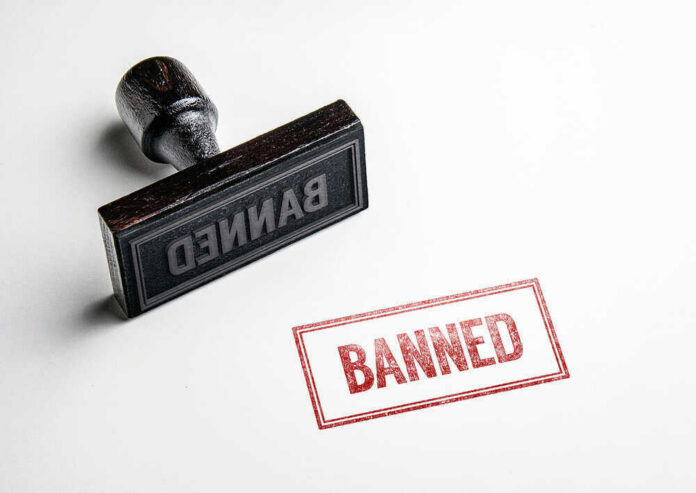
President Trump barred CNN, MS NOW, and Politico from White House access and enforced it the next day.
Story Snapshot
- Trump announced an immediate ban tied to “fake news” claims.
- Reporters from the three outlets were denied access the next day.
- The White House Correspondents’ Association condemned the move.
- Key legal fights over viewpoint discrimination are already in play.
What Trump Announced And How Fast It Took Effect
Trump said on Sept. 18, 2026, that CNN, MS NOW, and Politico were banned from the White House “effective immediately” due to “constant” false reporting. He repeated that point in Oval Office remarks that same day, and tied it to a pattern of what he called “cumulative stories” he viewed as dishonest coverage. The next day, reporters from those outlets said security denied them access to the White House grounds, showing the order was not theater but practice.
The White House did not spell out whether this meant revoking hard passes, blocking briefings, or limiting pool rotations, which left process gaps that critics seized on. But the execution signal was clear: gatekeepers turned people away. Supporters will see that as overdue discipline for hostile coverage. Detractors will call it punishment for speech. Those two realities are now colliding at the northwest gate, clipboards in hand.
How The Targeted Outlets And Press Corps Responded
CNN said the ban is an illegal assault on constitutional rights and vowed to keep reporting on the federal government despite access limits. Politico said it would continue fair coverage and defend its First Amendment rights. The White House Correspondents’ Association urged the administration to restore access, saying the Constitution protects press freedom from government interference. These statements set the stage for rapid legal and tactical pushback.
None of the three outlets accepted the White House’s claims of “fiction or lies.” They framed the ban as viewpoint retaliation for unfavorable stories, not a neutral rule. That framing matters because courts weigh motive in access cases. If officials tie the decision to content, judges probe harder. Trump’s own words about “fake news” give opponents a crisp exhibit to highlight in any complaint or emergency motion.
🔊 CNN, MS NOW and Politico journalists say the White House confiscated their press passes after President Trump barred them from its grounds. Listen on the Reuters World News podcast https://t.co/XOJCOWGssf pic.twitter.com/YY2BCW8lCF
— Reuters (@Reuters) September 20, 2026
The Legal Terrain: Where Access Meets Viewpoint Rules
Federal courts have long held that once the White House opens press facilities to some journalists, it cannot shut the door to others because of their viewpoints. A 2025 district court ruling said the government likely violates the First Amendment if it allows some reporters into places like the East Room while excluding others over their views. Appellate action since then has stressed that restricted areas are not public forums, yet viewpoint-based exclusions still cross the line.
That mix creates a narrow path. The administration can set reasonable, neutral rules tied to security, space, or conduct. But when top officials link denial to specific coverage they dislike, they invite a viewpoint claim. Trump’s “cumulative stories” rationale walks near that edge. If the ban focused on behavior, process, or transparent criteria applied to all, the case would look different. As stated, it leans hard on content-based critique.
What Matters Next: Process, Proof, And Public Stakes
Three questions will drive what happens now. First, process: Did the White House follow a clear, written standard for credentials and grounds access, with notice and a way to appeal? Second, proof: Can officials point to specific, demonstrably false reports that justify a sanction under neutral rules? Third, scope: Does the ban cover briefing room seats, pooled events, and driveway sprays, or only certain rooms? The answers shape the legal odds and the political fallout.
Common sense says two things can be true. A president can call out biased coverage. The government still cannot punish speech by shutting public doors only to critics. If the goal is fairness, build rules that apply to all and enforce them with receipts. If the goal is a fight, this will be a loud one, and soon in court. Voters will judge not only the press but the process, and process tends to win over time.
Sources:
reuters.com, nbcnews.com, usatoday.com, dw.com