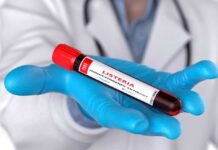

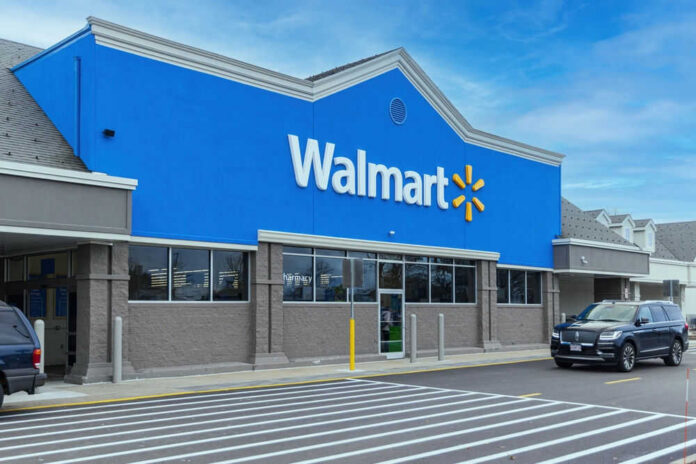
A routine test caught a potential Listeria threat in a Walmart tomato bisque soup kit before anyone got sick.
Story Snapshot
- Kettle Cuisine recalled Marketside Tomato Bisque Soup Kits after a presumptive positive Listeria test.
- The 14-ounce kits were sold at Walmart in dozens of states over a short window.
- No confirmed illnesses have been reported as of the recall announcement.
- Zero-tolerance rules for Listeria in ready-to-eat foods drive fast, precautionary recalls.
What Triggered The Recall And Which Product Is Affected
Kettle Cuisine LLC of Savage, Maryland issued a voluntary recall for Marketside Tomato Bisque Soup Kit, 14 ounces, after its internal routine testing produced a presumptive positive result for Listeria monocytogenes.
The company said it is coordinating with the Food and Drug Administration on the recall and urged consumers not to eat the product. The kit was sold exclusively at Walmart stores. Media summaries say sales spanned at least 29 states during late June and early July.
The recall announcement emphasized that the action is precautionary and that the company has not received confirmed illness reports linked to the product to date.
Kettle Cuisine’s move fits the standard playbook for ready-to-eat foods, where a single presumptive positive is enough to pull product. That speed is by design.
In soup kits and other heat-and-eat meals, people may rewarm but not boil long enough to guarantee a kill step at home, so producers act early.
Why Listeria Demands A Fast, Firm Response
Listeria monocytogenes is dangerous for pregnant women, seniors, and people with weak immune systems. It tolerates cold, hides in wet niches, and can persist in processing rooms.
The Food and Drug Administration treats Listeria as a zero-tolerance pathogen in ready-to-eat foods. That means detection at any level can trigger a recall, even without confirmed illness. This strict rule aims to stop a rare but severe disease that can lead to hospitalization and death.
Long-run recall data explain why companies move first and ask questions later. Peer-reviewed research on United States recalls from 2002 through 2023 found biological contamination and allergens drove most recalls, with Listeria representing a large share of the biological events.
Public health reviews also show many Listeria recalls are precautionary, launched before any human cases appear. That pattern reflects common sense: the downside of caution is paperwork and cost; the downside of delay can be a funeral.
What Shoppers Should Do Right Now
Check your refrigerator. If you bought a Walmart Marketside Tomato Bisque Soup Kit in late June or early July, do not eat it. Throw it out or return it to Walmart for a refund. If you already ate the kit and feel fine, you likely do not need medical care.
If you are pregnant, over 65, or have a weak immune system, call your doctor if you develop fever, flu-like aches, stomach cramps, or diarrhea within two months. That long window is a known feature of Listeria infection.
🚨 RECALL ALERT: Kettle Cuisine is recalling Marketside Tomato Bisque Soup Kits (14 oz), sold exclusively at Walmart, due to potential Listeria contamination. ⚠️ Do not consume. Discard or return to Walmart for a full refund.
Details: https://t.co/Wq3KuYnVCw pic.twitter.com/jrRTqazKsh
— VDACS (@VaAgriculture) August 17, 2026
Keep a simple home rule for ready-to-eat foods during recalls. When in doubt, pitch it out. A recall does not mean the product made you sick; it means the safety net worked early.
That is how modern food safety should look. Producers run routine tests. They isolate risk fast. They work with the Food and Drug Administration. They alert stores and customers. We do our part by checking the fridge and not taking chances.
How This Fits The Bigger Food Safety Picture
This event highlights a system that tries to protect the most vulnerable first. Companies know trust is built by acting fast and being clear. Regulators set a high bar for ready-to-eat foods because people do not sterilize dinner at home.
Researchers have shown that biological hazards like Listeria drive a big share of recalls, so quick actions like this are not theater; they are the standard for a reason. That approach aligns with basic common sense: prudence, duty of care, and owning the fix when a test flags risk.
Sources:
foxbusiness.com, fda.gov, scrippsnews.com, yahoo.com