
Europe’s top drug-safety panel and the World Health Organization now say a rare form of sudden vision loss belongs on semaglutide’s risk list.
Story Snapshot
- European regulators labeled NAION a very rare side effect of semaglutide medicines.
- The World Health Organization alerted doctors and regulators to this risk.
- Hundreds of U.S. lawsuits over GLP-1 vision loss are now coordinated in federal court.
- Manufacturers deny a causal link and are fighting the claims.
What regulators decided, and why it matters
The European Medicines Agency’s safety committee reviewed lab studies, clinical trials, safety reports, and medical papers. The committee concluded non-arteritic anterior ischemic optic neuropathy, or NAION, is a very rare side effect of semaglutide.
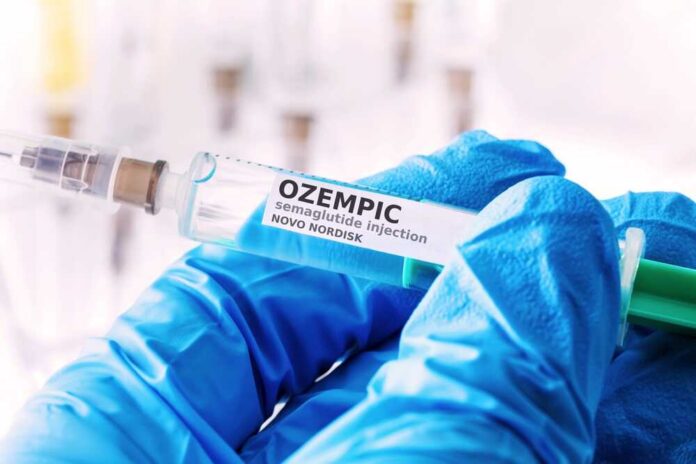
It recommended updating labeling for Ozempic, Rybelsus, and Wegovy in Europe. The World Health Organization followed with a global alert. It told health workers and regulators to watch for NAION in semaglutide users and echoed the “very rare” label.
These decisions do not say most users face danger. They say a small risk exists and needs a warning. That is how drug safety should work in a free society: inform adults, do not hide the ball.
The background risk of NAION is low, but sudden, often permanent vision loss is life-changing. A clear label helps patients weigh trade-offs with their doctors, especially those with diabetes or vascular risks.
What NAION is and how it can appear
NAION happens when blood flow to the optic nerve drops. Vision can dim or blur fast, often in one eye first. People may notice a dark spot, loss of side vision, or trouble seeing in low light. The condition is rare, but the damage can be lasting.
Time matters. Anyone on semaglutide who notices sudden changes in vision should stop, call a doctor, and seek urgent eye care. That advice aligns with common sense and standard eye-emergency practice.
Some users in news reports describe rapid vision loss within days or weeks of starting or escalating GLP-1 therapy. Lawsuits recount people leaving jobs and giving up night driving. These are allegations, not proof for any one case, but they explain why attention surged.
Regulators said they began a formal review after early observational signals came in mixed, with some studies positive and others null, which supports a cautious but proactive label step.
What the science shows so far
Large observational work has reported a small but measurable rise in NAION risk among semaglutide users over five years. One matched-cohort analysis found a risk ratio of about 1.34, with an absolute risk increase near two-hundredths of a percent over that span.
A recent review reported low-to-moderate certainty that semaglutide raises NAION risk versus non–GLP-1 options, more so in people with diabetes. These are not randomized trials, but they inform policy and care.
Dozens of Americans have filed personal injury lawsuits against the makers of popular GLP-1 drugs, like Ozempic, Wegovy and Mounjaro, claiming they were not properly warned of the risk of a rare type of sudden vision loss.
Read more: https://t.co/8Ya6IBINiL pic.twitter.com/LZLdQltf28
— ABC News (@ABC) September 22, 2026
Manufacturers reject a causal link and argue the overall benefits remain strong. Novo Nordisk points to very few confirmed NAION cases in its randomized trials and says no imbalance disfavors its drugs.
The company says the lawsuits lack merit and that its safety reviews do not show causation. That pushback carries weight where science is mixed. Still, European and global safety bodies judged the totality of signals strong enough to warn now, not later.
How to think about risk, benefits, and next steps
Semaglutide helps many people lose weight and control blood sugar, which can protect the eyes long term. That truth can stand beside a second truth: a very rare vision risk deserves daylight and fast reporting.
Ask your doctor three plain questions: What is my base risk for NAION? What signs should trigger urgent care? What are my options if I’m worried but need the drug’s benefits?
Practical steps are simple. Learn NAION warning signs. Keep stable doses when possible, and discuss big jumps with your clinician. Control blood pressure, sugar, and sleep apnea, which can raise eye risk. Schedule eye exams if you have vision symptoms or high vascular risk.
If you choose semaglutide, choose it with eyes open. If you pass, pass for reasons that fit your health, not headlines. That balance—freedom with responsibility—is the goal of transparent labels.
Sources:
seegerweiss.com, dra.gov.pk, harmreport.com, who.int, aifa.gov.it, news.sbs.co.kr, callfob.com